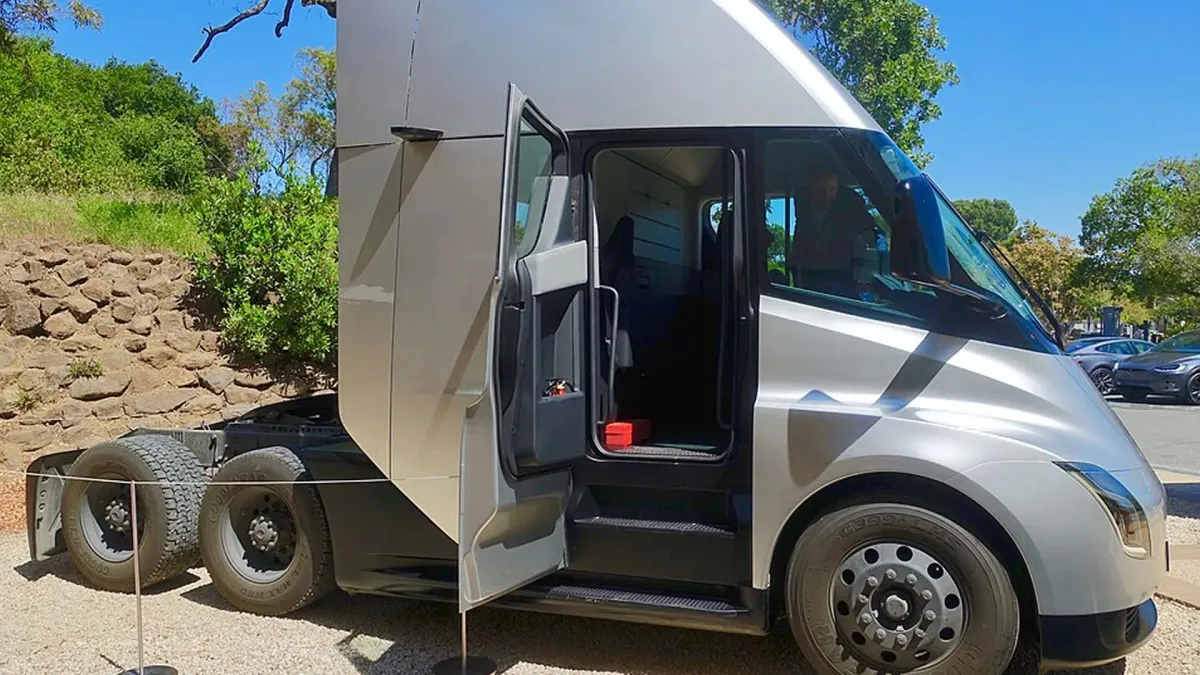
Imagine a world where the roar of a diesel engine is replaced by the hum of electric power, not just in your Tesla, but in every single heavy-duty truck rumbling down the highway. China's industrial titans aren't just imagining it; they're betting on it, big time.
Their goal? Near 100% electric heavy-duty trucks. And the payoff isn't just a cleaner sky (though that's a nice bonus, potentially cutting emissions by 50%). It's about securing their entire energy future.

The Unstoppable Economics of Electric
Liang Linhe, chairman of industrial giant Sany Truck, recently laid it out: when transport costs drop, everyone goes electric. He predicts it will push electric truck adoption so high, there'll be barely any room left for the old diesel guzzlers. Which, if you think about it, is a pretty bold claim for an industry built on fossil fuels.
We're a new kind of news feed.
Regular news is designed to drain you. We're a non-profit built to restore you. Every story we publish is scored for impact, progress, and hope.
Start Your News DetoxChina isn't just talking, either. They've spent decades building a logistics powerhouse and pouring billions into EV tech. Companies like BYD are already global leaders in batteries and electric vehicles. They've got the infrastructure, the manufacturing muscle, and the sheer will to make this happen.
The secret sauce? Cheaper batteries and, perhaps even more crucially, battery swapping. Instead of hours tied to a charging port, picture a quick pit stop where a depleted battery pack gets swapped out for a fully charged one in minutes. Less downtime means more money saved, making the electric switch an economic no-brainer for fleet operators.

Driving Towards Energy Independence
But this isn't just about saving a buck or two. China imports about 40% of its oil from the Middle East. That's a lot of eggs in one geopolitical basket. Any hiccup in that supply chain could send their economy into a tailspin. Electrifying their truck fleet is a direct path to reducing that reliance, bolstering their energy independence in a world of volatile oil prices.
Albert Hu, CEO of autonomous vehicle company CiDi, points to China's robust automotive supply chains and engineering talent as key advantages. They're not just buying electric trucks; they're building the entire ecosystem to support them.
Of course, there are still a few bumps in the road. Batteries are heavy, which impacts cargo capacity and range. Charging infrastructure is still a work in progress, and the electrical grid itself needs upgrades to handle the massive influx of power demands.

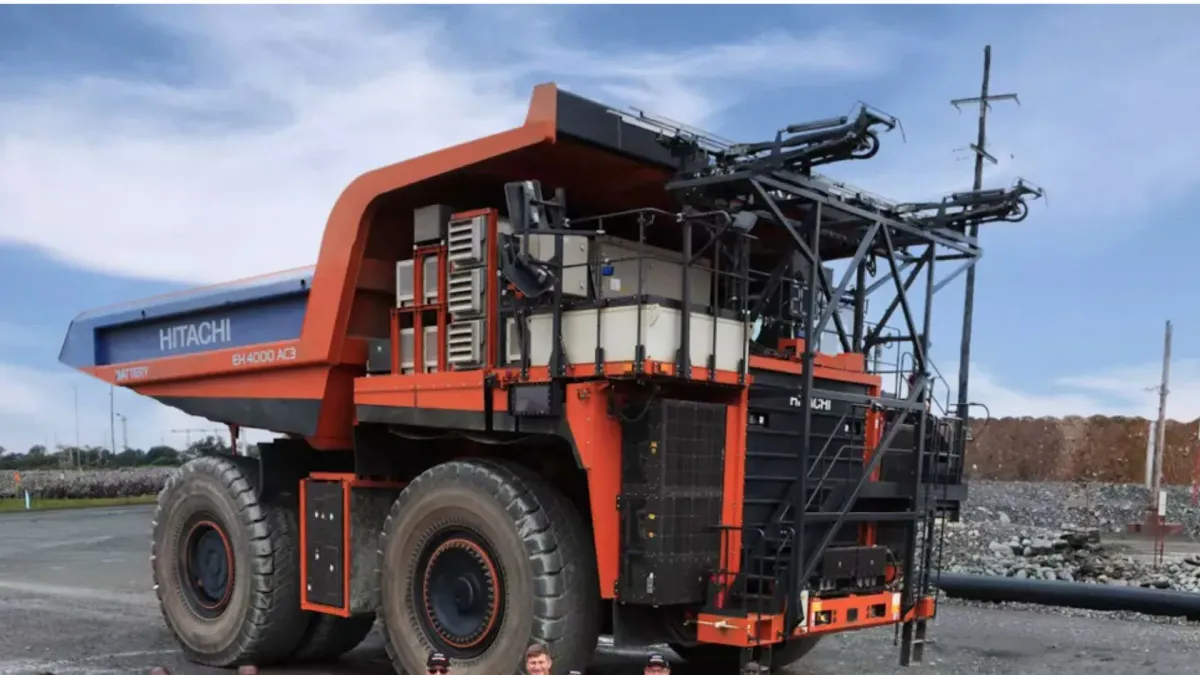
So, for now, electric trucks will likely start their takeover in more contained environments like mines, ports, and short-haul routes. But the vision is clear: a fully electrified freight system, powered by the country's own electricity, not someone else's oil. It's a strategic pivot that could reshape global energy dynamics, one silently humming truck at a time.