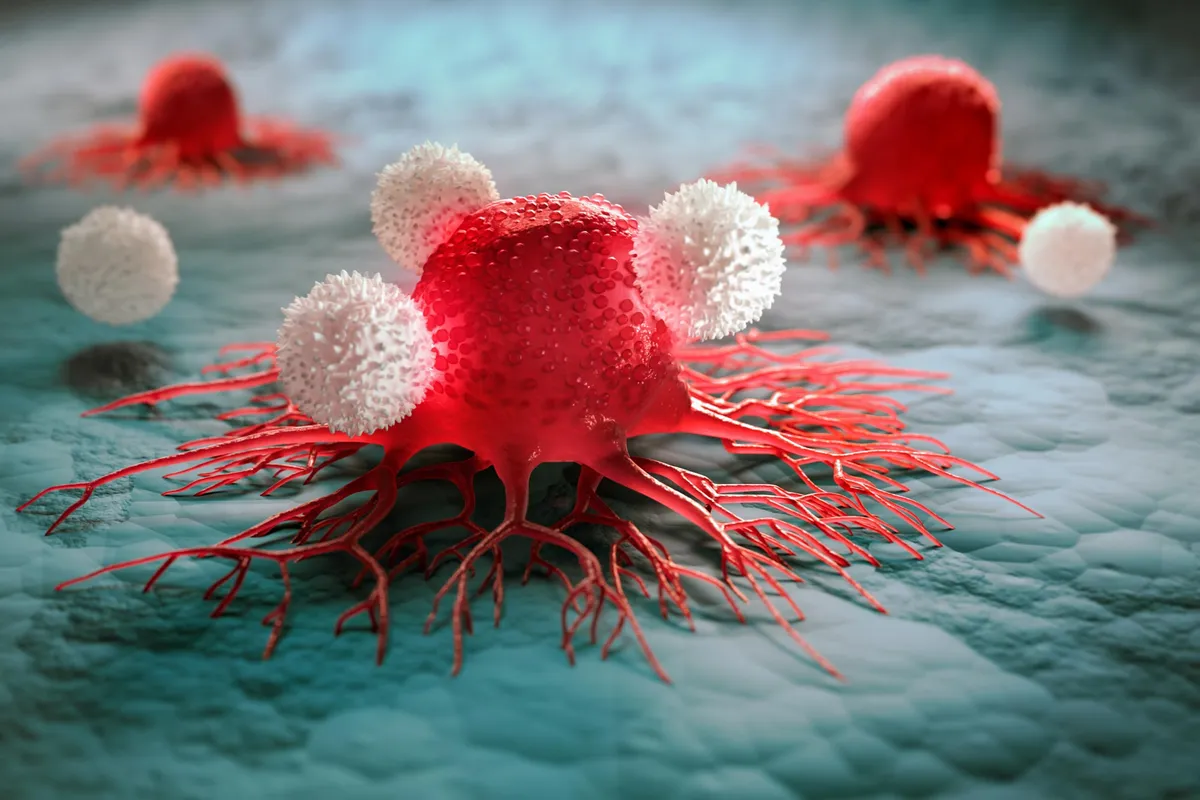
Decades ago, a lab technician picked up the phone and delivered an update that probably made a few jaws drop: "They can see!" The "they" in question were a litter of dogs, born completely blind, who were suddenly navigating their surroundings with surprising ease. It was the first, thrilling whisper that a wild idea from two physician-scientists might actually, truly work.
Fast forward to today, and those two scientists, Jean Bennett and Albert Maguire, along with Katherine High, have just been awarded the Breakthrough Prize in Life Sciences — basically, science's version of the Academy Awards. They're being honored for an idea and the four decades of relentless work that birthed Luxturna, the world's first FDA-approved gene therapy for an inherited disease. Let that sink in: the first.
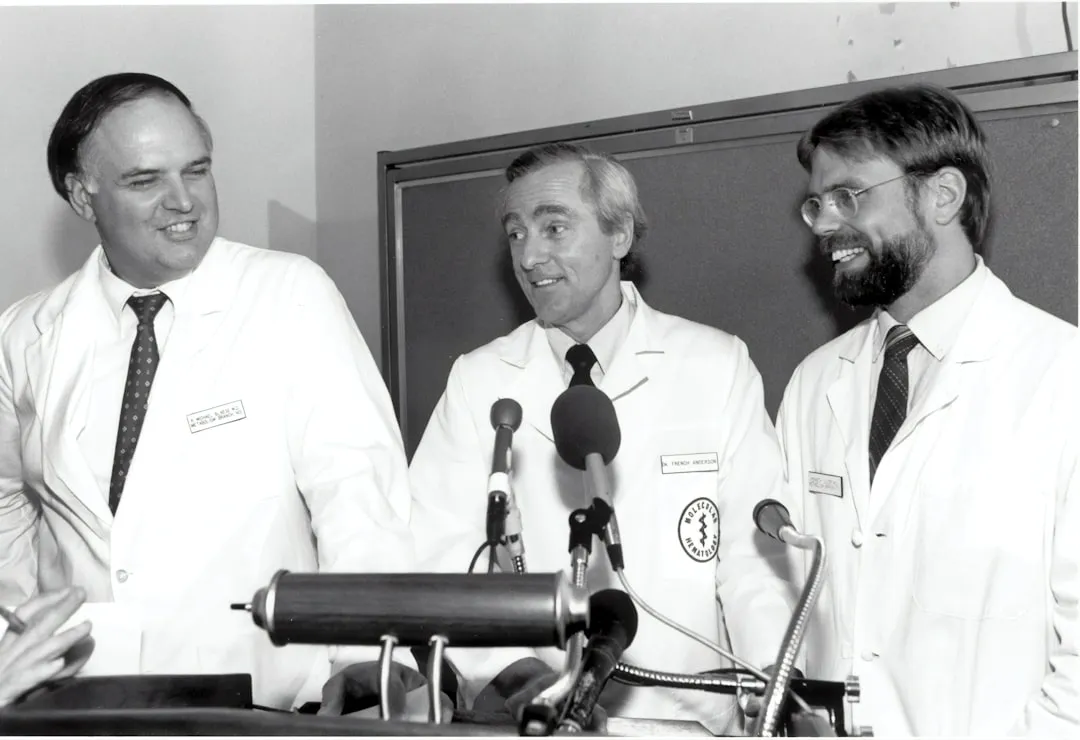
From Blind Dogs to City Hall Clocks
Bennett, 71, and Maguire, 66, are a married couple who met at Harvard Medical School and are now emeritus professors of ophthalmology at the University of Pennsylvania. High, 74, worked a parallel track at the Children’s Hospital of Philadelphia, focusing on gene therapy for hemophilia, a serious bleeding disorder. Her work also showed incredible promise, reversing the disease in dogs and moving into human trials.
We're a new kind of news feed.
Regular news is designed to drain you. We're a non-profit built to restore you. Every story we publish is scored for impact, progress, and hope.
Start Your News DetoxTheir shared target was Leber Congenital Amaurosis (LCA), a rare inherited retinal disease. Picture this: children born with faulty copies of the RPE65 gene, which is crucial for vision, can often only detect very bright light. Most are completely blind before they hit their 20s, sometimes even before kindergarten. A truly brutal hand to be dealt.
Back in the early 90s, when Bennett and Maguire started, they faced a blank slate. Few retinal disease genes were even identified, let alone treatable. They spent a decade just building the basic tools: figuring out how to deliver a corrected gene into retinal cells using a modified virus (because apparently, that's where we are now) and then measuring the results.
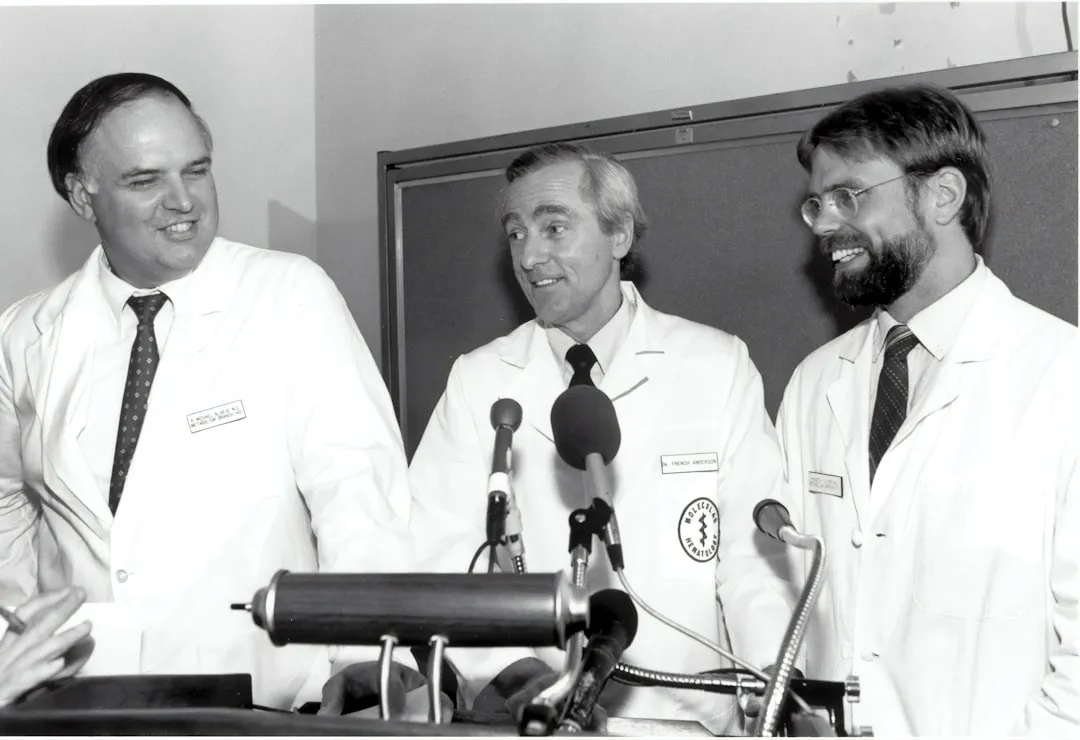
The first subjects? Those blind dogs at the University of Pennsylvania's vet school, whose condition mirrored human LCA. They injected the experimental therapy into one eye of three dogs. Soon after, that game-changing call came in. Two of those pioneer pups, Venus and Mercury, eventually became the couple's very own pets. Which, if you think about it, is both impressive and slightly terrifying for their future dinner party guests.
The Ripple Effect of Sight
The clinical trials involved 37 human participants, and the results were, frankly, remarkable. A whopping 72% showed the greatest possible improvement on a low-light vision test, simulating those tricky night conditions. Many also gained both peripheral and central vision — not just a little, but a lot.
Imagine: one patient, who could previously only detect light changes, was suddenly walking unaided through Philadelphia at night, even spotting the clock on City Hall. Another saw a star for the first time, a mere six days after the procedure. Because, you know, stars are cool.
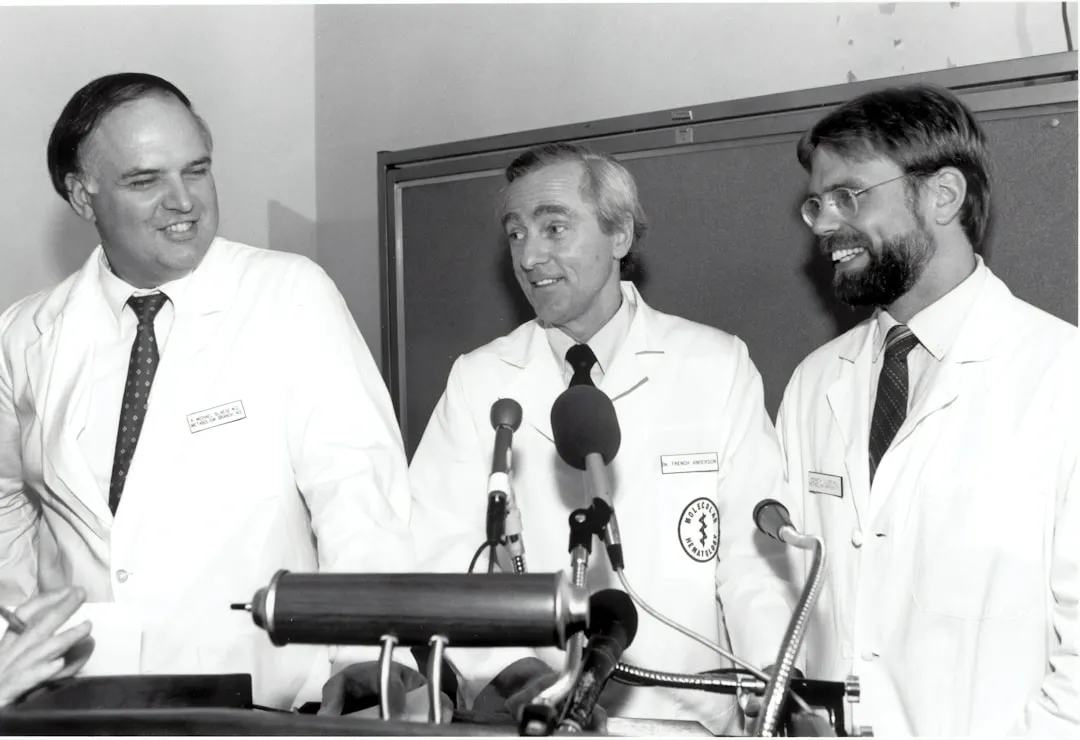
In 2017, the FDA officially approved Luxturna, developed by Spark Therapeutics (a CHOP spin-off). It wasn't just a win for LCA; it was the first-ever FDA approval for gene therapy for any inherited disease. This paved the way for over 140 gene therapy trials for other retinal conditions, like macular degeneration and diabetic retinopathy, affecting some 30 million people in the U.S. Another 80 trials are currently underway. And, not to be outdone, a separate treatment based on High's hemophilia research also got FDA approval in 2024.
For Bennett, Maguire, and High, this award isn't just a trophy; it's a testament to navigating a scientific field that often felt like it was crumbling around them, all to help people see the stars. Literally.