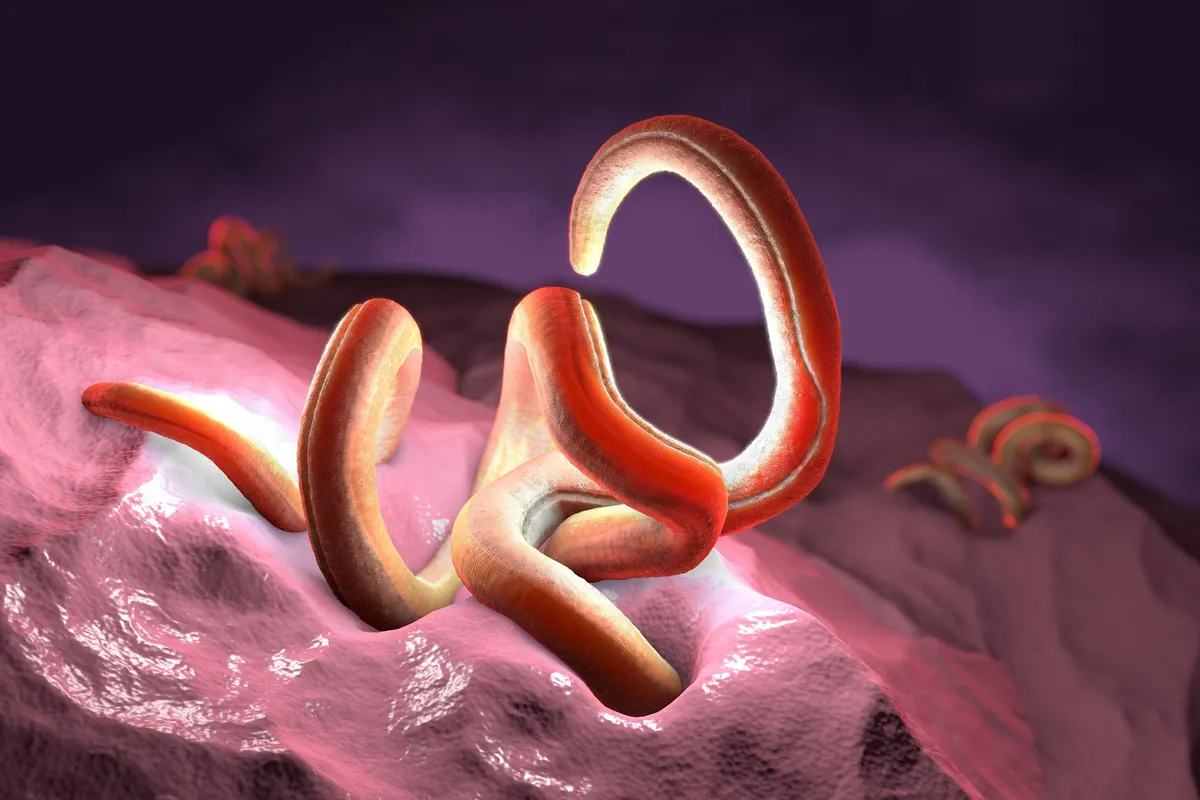
Intestinal worms might help reduce inflammation in the body. But this only happens if they get enough fiber from the host's diet. Without enough fiber, these worms go into a state like hibernation and lose their helpful effects.
This discovery comes from a new study by parasitologists at the Biology Centre of the Czech Academy of Sciences. Their findings were published in Nature Communications.
For most of human history, intestinal parasites were a normal part of our digestive systems. In modern, industrialized countries, these worms have mostly disappeared. This is due to better hygiene and medical care.
We're a new kind of news feed.
Regular news is designed to drain you. We're a non-profit built to restore you. Every story we publish is scored for impact, progress, and hope.
Start Your News DetoxAt the same time, autoimmune diseases and inflammatory bowel diseases have become more common. About 20 years ago, scientists started looking into using certain worms to treat these conditions. This is called helminth therapy.
Kateřina Jirků from the Institute of Parasitology, Biology Centre CAS, noted that results from helminth therapy have been mixed. Sometimes the worms reduce inflammation, and sometimes they don't. This led researchers to study what factors might affect the worms' actions in the gut. They found that diet, especially fiber intake, is a key factor.
How Diet Affects Worms and Inflammation
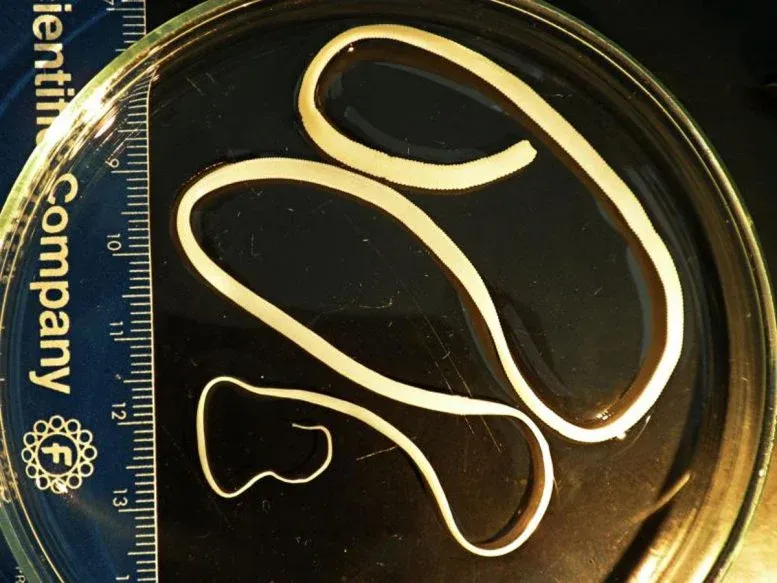
Scientists studied how an intestinal parasite reacts to different amounts of fiber in its host's diet. They used the rat tapeworm Hymenolepis diminuta. This tapeworm is often used to study how parasites, gut microbes, and the immune system interact. This specific tapeworm does not cause illness and has shown anti-inflammatory benefits before.
Jirků explained that when the diet has a lot of fiber, the tapeworm is healthy. It can also trigger an anti-inflammatory response in the host. But when there isn't enough fiber, the worm enters an energy-saving state, similar to hibernation. In this state, its anti-inflammatory effect disappears.
When fiber was low, the worms stayed much smaller. They did not become sexually mature or produce eggs. Genetic tests showed big changes in genes related to growth, metabolism, and reproduction.
Gut Health and Immune Response
Diet also greatly affected the host's gut microbiome. A diet rich in fiber supported good bacteria that are linked to a healthy gut. In contrast, a Western-style diet reduced the variety of microbes and increased bacteria linked to an unhealthy gut. These changes also impacted the immune system.
Researchers stress that diet is crucial for the gut's ecosystem. Health guidelines suggest adults eat about 25 to 30 grams of fiber daily. However, people in Western countries often eat less than this. Traditional populations, on the other hand, might eat between 80 and 120 grams of fiber each day.
Not eating enough fiber can weaken the gut microbiome. This affects digestion, immunity, brain function, and mental health. Imbalances in gut bacteria have been linked to a higher risk of allergies, depression, anxiety, and brain conditions like Alzheimer’s disease.
Deep Dive & References
Developmental plasticity enables an intestinal tapeworm to adapt to dietary stress - Nature Communications, 2026