Natural extracts from turmeric and ginger could make bone implants work better. This new research from Washington State University suggests these compounds can help implants attach more firmly, fight off bacteria, and even reduce cancer cells. This could be a big step forward for millions of people who get joint replacements or have bone cancer.
Early tests showed that an extract from turmeric and ginger nearly doubled how well bone bonded to implants in just six weeks. It also killed over 90% of bacteria on implant surfaces and greatly reduced cells linked to cancer. This work combines ancient healing traditions with modern medical technology. Turmeric and ginger have been used in cooking and medicine for thousands of years in places like China and India.
Susmita Bose, a professor at WSU and one of the study's authors, explained that this approach combines "the best with the latest." The "best" comes from natural foods, and the "latest" is from advanced biomedical devices.
We're a new kind of news feed.
Regular news is designed to drain you. We're a non-profit built to restore you. Every story we publish is scored for impact, progress, and hope.
Start Your News DetoxNatural Compounds Meet Modern Implants
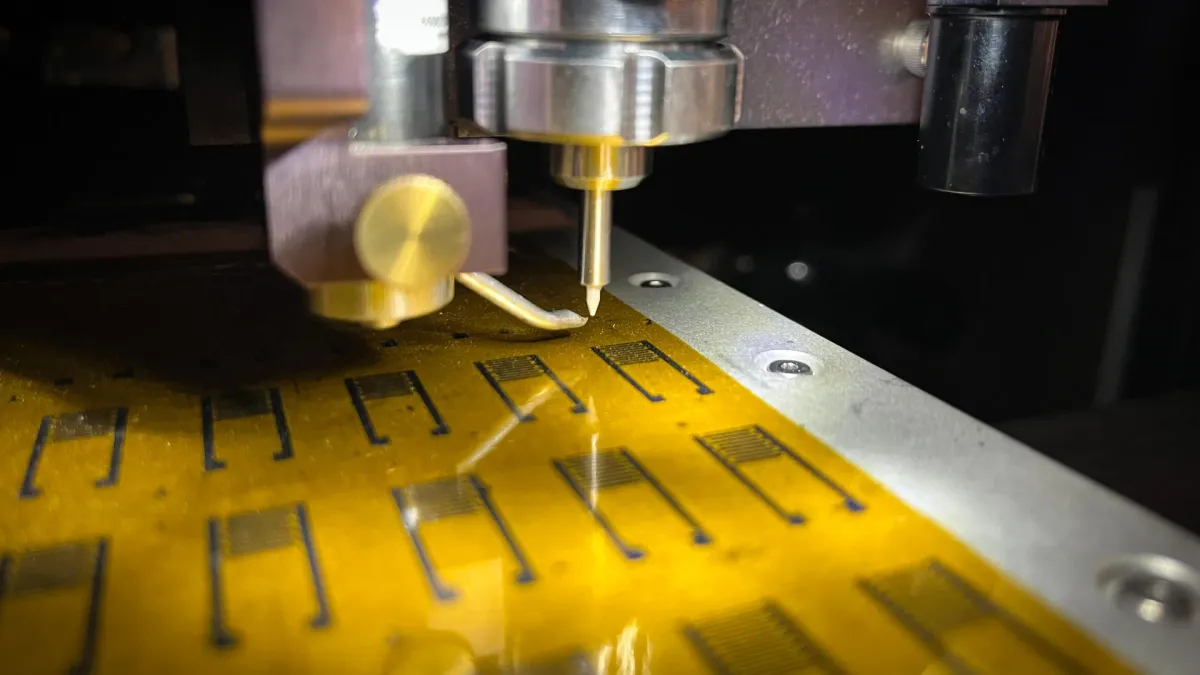
This study, published in the Journal of American Ceramic Society, builds on earlier work by Bose and Amit Bandyopadhyay. Their research has shown that compounds from turmeric and ginger can improve advanced medical treatments. It also expands on their previous efforts to use 3-D printing for bone implants, a method that has become widely used.
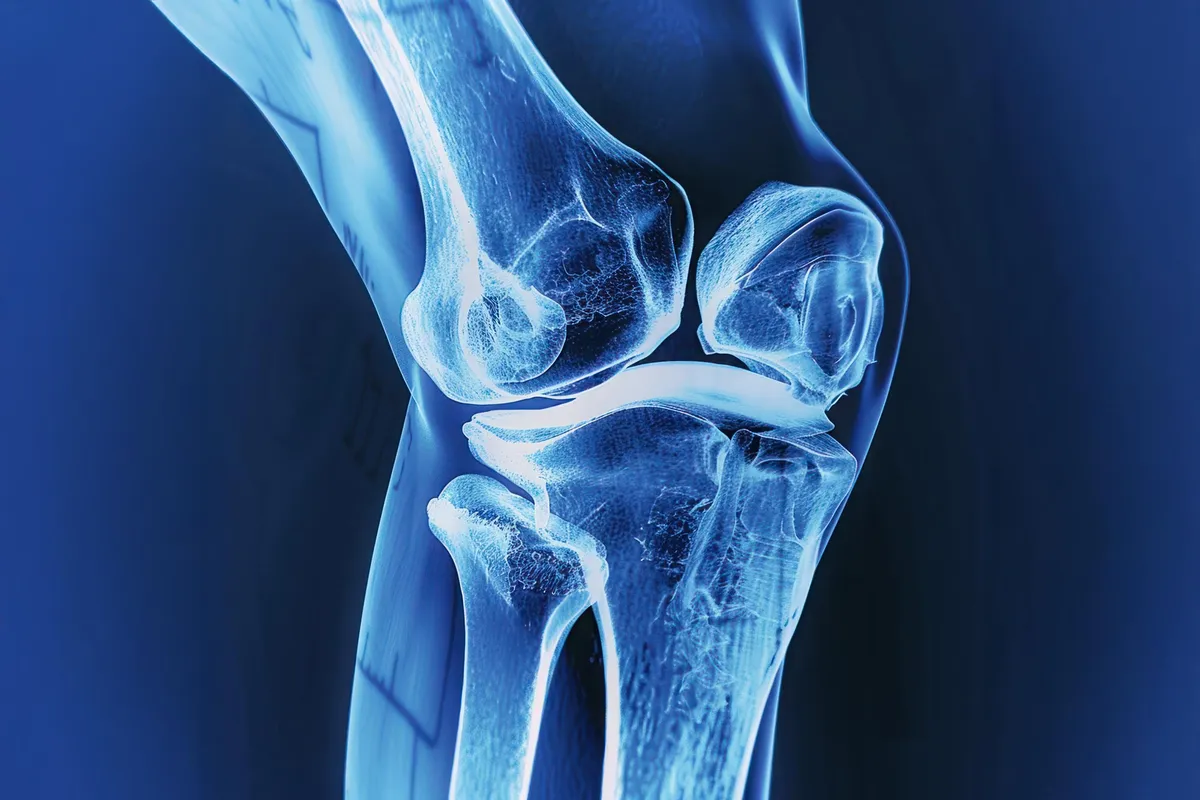
The team focused on common problems with bone implants. About seven million Americans have metal hip or knee replacements. Many of these implants eventually need repair because they don't bond well with bone or lose strength. Infections on implant surfaces are also a big worry, happening in almost one-third of failed cases and being very hard to treat.
Bose noted that infections often mean the implant has to be removed. This can cause major health problems and financial stress for patients.
Fighting Infection and Bone Cancer
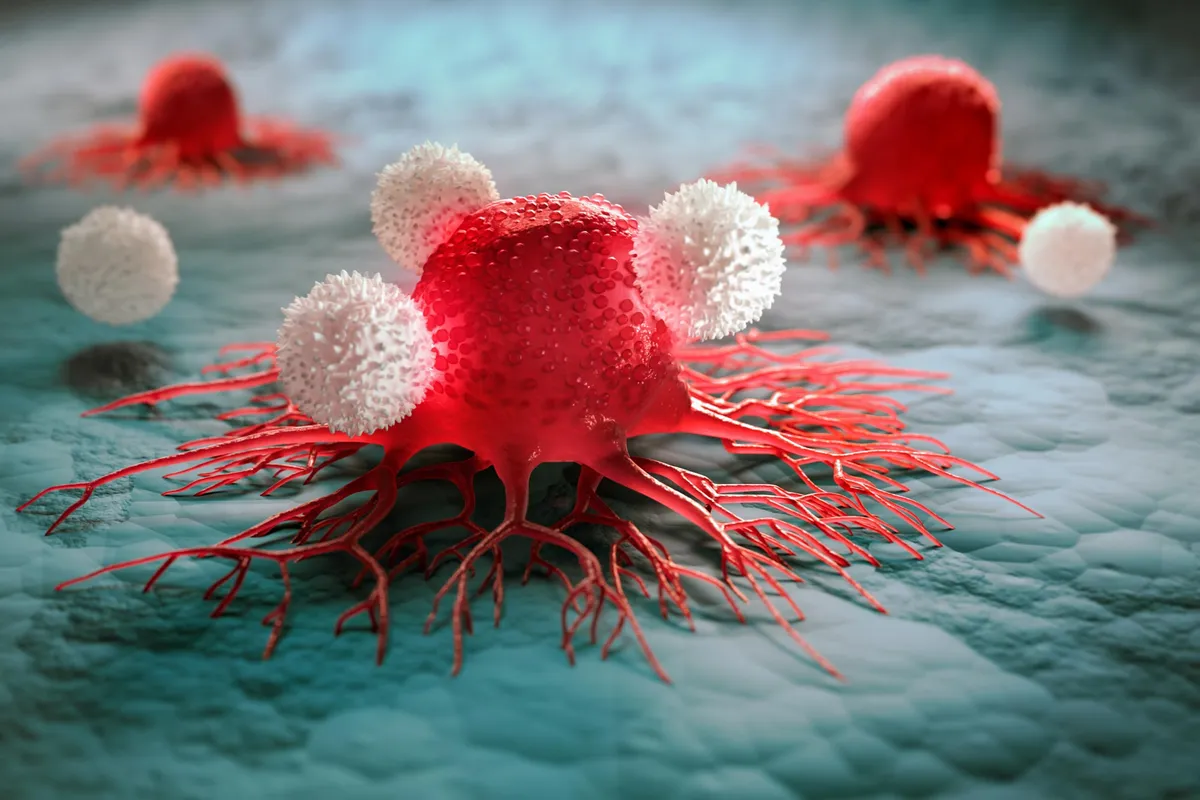
The researchers also looked at how the extract affects osteosarcoma cells, a type of bone cancer common in children and young adults. Even after surgery, chemotherapy, and implants, some cancer cells can remain.
To tackle this, the team created a special coating for titanium implants. This coating uses ginger extract and curcumin, which is the active part of turmeric. It's designed to slowly release these compounds over time. They tested this method in the lab and on rats with femur implants.
The results were promising. The coated implant made the connection between bone and titanium stronger, doubling the bonding within six weeks after surgery. It also killed 92% of bacteria on the implant surface. Plus, it reduced cancer-related cells around the implant by 11 times compared to implants without the special coating.
Multifunctional Implants and Future Impact
Bandyopadhyay explained that this research addresses many parts of a complex challenge. They are creating implants that resist infection and help with bone bonding. He said the paper highlights many small things that can significantly benefit patients with various implants, like hips, knees, spines, or shoulders.
Bose also pointed out that turmeric and ginger have benefits beyond implants. When eaten, both are known for their anti-inflammatory and antioxidant properties.
She is very enthusiastic about these natural compounds. Bose believes they can be easily used for preventative care in daily life. Curcumin from turmeric has strong anti-inflammatory effects, which is important because inflammatory bone loss is a big problem. Ginger may also have anti-cancer effects.
Deep Dive & References
ZnO-Hydroxyapatite-Coated Ti-6Al-4V With Curcumin and Ginger Extract for Load-Bearing Implants - Journal of the American Ceramic Society, 2026
This study received funding from the NIH/National Institute of Arthritis and Musculoskeletal and Skin Diseases.