You know milk for cereal, lattes, or maybe that weird science experiment in the back of your fridge. But what if it could also deliver a knockout punch to one of the deadliest cancers?
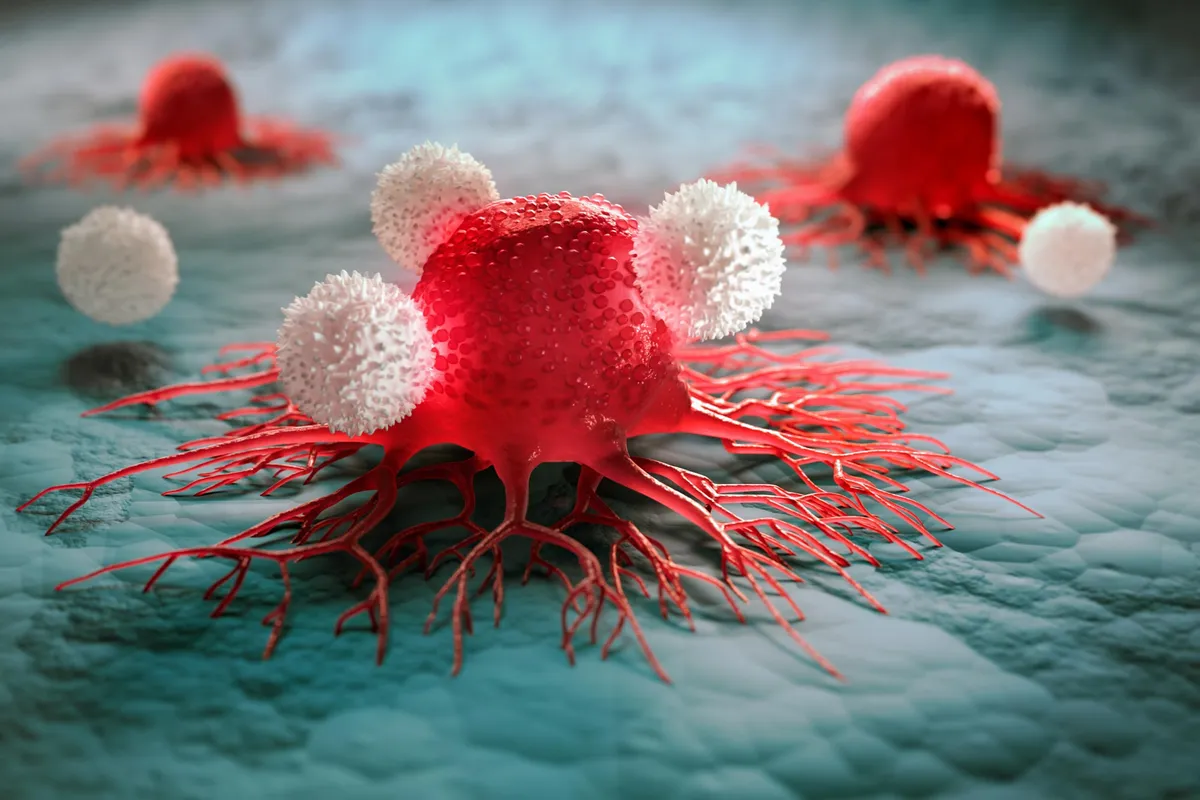
Mayo Clinic scientists are doing just that, transforming humble milk fats into microscopic gene-therapy delivery systems. The target? Cholangiocarcinoma, a particularly nasty bile duct cancer that’s famously resistant to most existing treatments. Because apparently, even cancer needs a new enemy.
The idea is elegantly simple, if wildly complex to execute: create tiny, fatty particles from milk, load them up with genetic material, and send them directly into tumor cells. The goal? To silence the cancer-driving genes without collateral damage to healthy tissue. It's like a precision strike, but with dairy.
We're a new kind of news feed.
Regular news is designed to drain you. We're a non-profit built to restore you. Every story we publish is scored for impact, progress, and hope.
Start Your News DetoxDr. Rory Smoot, a surgical oncologist at Mayo Clinic, noted that current drugs just don't cut it for the specific genetic quirks of these tumors. Their method, published in JHEP Reports, is designed to sneak in and flip the 'off' switch on those rogue genes.
The Milk-Fueled Stealth Mission
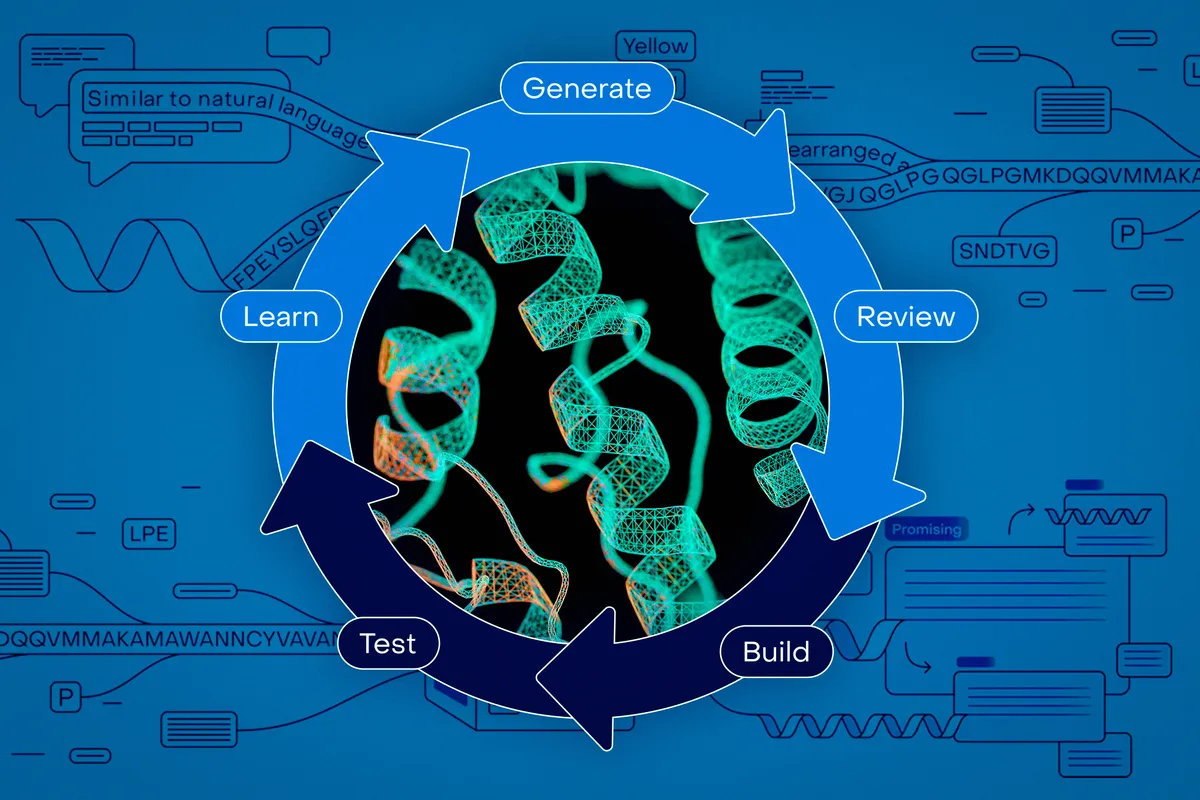
The research team armed their milk particles with small interfering RNA (siRNA) — essentially, molecular saboteurs that can temporarily switch off specific genes. To make sure these saboteurs only targeted the bad guys, they embarked on a galactic search through 600 trillion DNA sequences. Yes, trillion. All to find a short DNA piece, called an aptamer, that acts like a homing beacon, latching only onto cholangiocarcinoma cells.
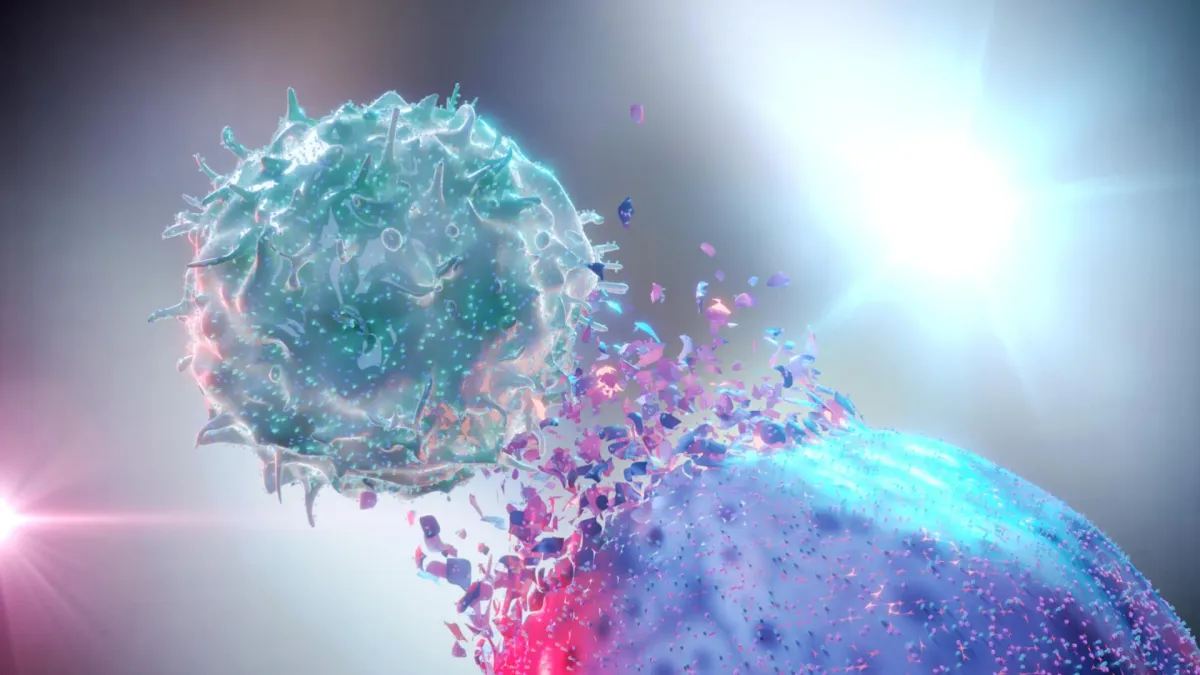
This aptamer was then linked to the milk-fat particles developed by Mayo Clinic researcher Dr. Tushar Patel. Think of it as putting a GPS tracker on a tiny, milky stealth bomber. These nanoparticles, loaded with siRNA and sporting their tumor-targeting aptamer, were then able to waltz right into cancer cells. This hyper-targeted approach is key to sparing healthy cells from the therapy.
Dr. Brandon Wilbanks, a postdoctoral fellow, summed it up: this system delivered gene-silencing therapy straight to the cancer, reducing tumor growth and increasing cancer cell death, all without harming healthy tissues. Which, if you think about it, is both impressive and slightly terrifying in its precision.
This isn't ready for your local hospital yet; it's still in early stages. But Mayo Clinic has already patented the tech, and researchers are now refining their gene targets and testing it on different types of cholangiocarcinoma. The ultimate vision? Personalized gene therapies, powered by milk, offering new hope for patients with precious few options. Because sometimes, the most revolutionary ideas come from the most unexpected places. Like your fridge.