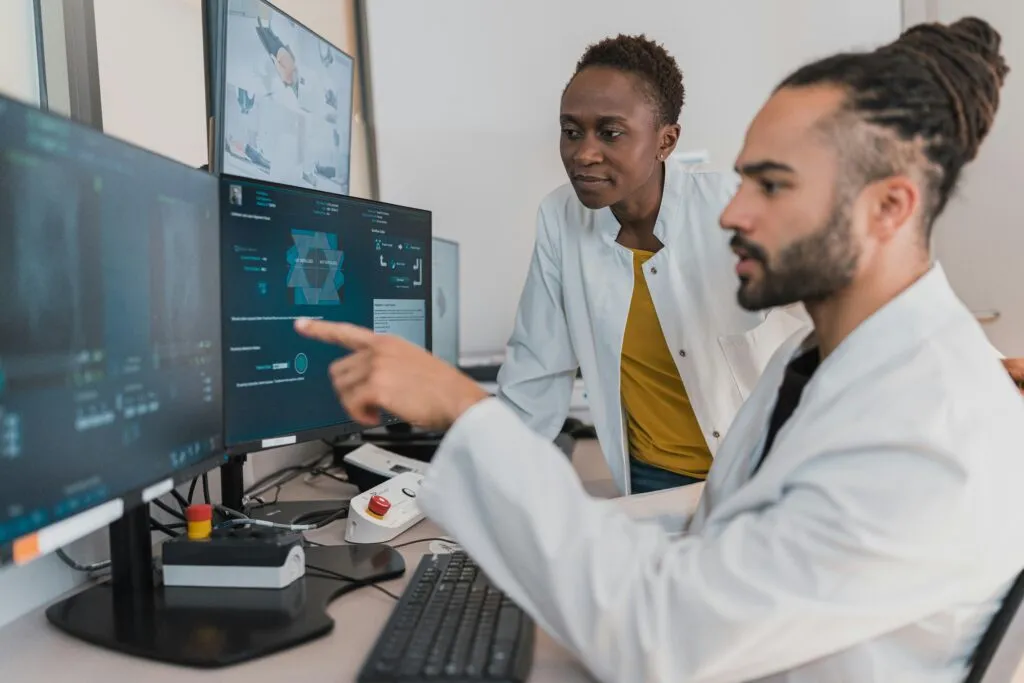
A new startup called Voio is using AI to make medical imaging more efficient and effective. This comes as radiologists face a growing workload and a shortage of staff.
Patients often find MRI scans uncomfortable or worry about CT scan results. Meanwhile, radiologists are overwhelmed by the increasing number of diagnostic images. This trend is due to advances in imaging and an aging global population. The COVID-19 pandemic also led more radiologists to leave their jobs.
The American College of Radiology reported that workforce shortages were the biggest threat to radiology for three years in a row, ending in 2025.
We're a new kind of news feed.
Regular news is designed to drain you. We're a non-profit built to restore you. Every story we publish is scored for impact, progress, and hope.
Start Your News DetoxAI Solutions for Radiology
Researchers from UC Berkeley and UC San Francisco are tackling this issue with artificial intelligence. This is part of a larger trend in medicine using AI to help providers, lower healthcare costs, and improve access to care.
In 2025, Berkeley and UCSF researchers launched Voio. This startup aims to build AI models that help radiologists interpret images faster and more accurately. Voio's tools are designed to create draft reports, letting radiologists focus more on patients. They can also predict a patient's risk for serious conditions like cancer, osteoporosis, and heart failure years in advance. The AI can even anticipate how individuals will respond to different treatments.
Adam Yala, CEO of Voio and an assistant professor at UC Berkeley and UCSF, said, "We are empowering individual radiologists to have more impact even with overwhelming workloads — and ultimately, to save more patients’ lives." Voio plans to expand these AI advancements to other medical fields.
Yala co-founded Voio with Dr. Maggie Chung, an assistant professor at UCSF, and Trevor Darrell, a professor at UC Berkeley.
Before Voio, the team developed Pillar-0, an open-source AI model. It was trained on UCSF medical images to detect current conditions like brain hemorrhaging. It also found hidden risks, such as long-term lung cancer risk, that radiologists couldn't detect. Yala believes Pillar-0 is the best foundational AI model in radiology today. Researchers, engineers, and doctors worldwide are using it to create better cancer prediction models and diagnostic tools.
Voio is now developing Pillar-1. This new AI model will detect patient risks from an even wider range of images. It will combine findings into a draft report for the radiologist. Yala says it will help interpret complex cases and offer insights into disease progression that are currently undetectable.
Pillar-1 is part of a larger system from Voio. This system will also handle non-specialized tasks, like transcribing doctor's notes or gathering patient data.
Improving Efficiency and Accuracy
Dr. Chung is excited that radiologists will have more time for patient care. She noted, "When we reduce manual, non-technical tasks, we give radiologists back the joy of their work." She added that it allows them to focus on making key findings that greatly impact patients.
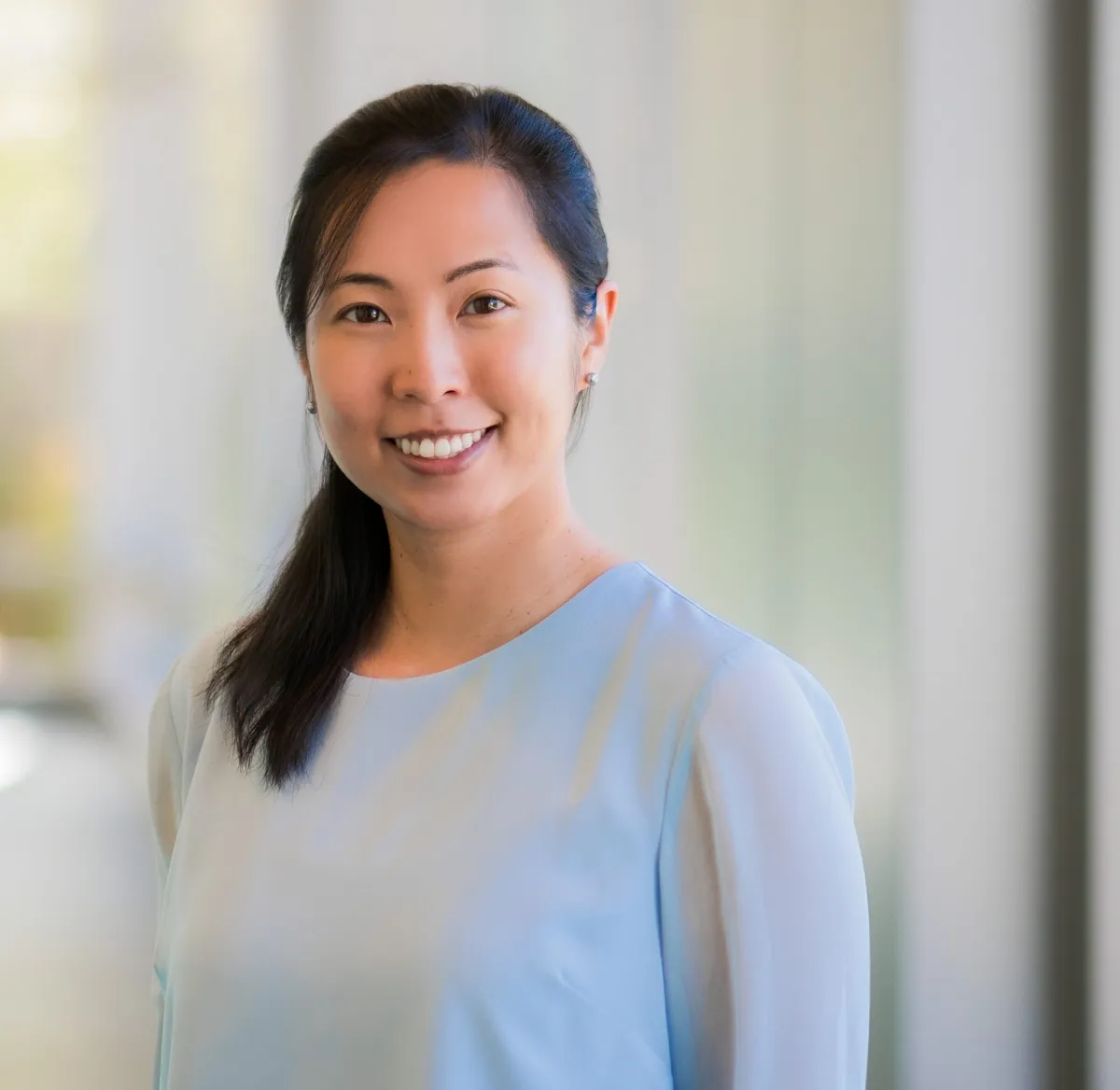 Photo courtesy of UCSF Department of Radiology and Biomedical Imaging
Yala hopes Voio's AI will do more than just assist with tasks. He wants it to change clinical guidelines for radiologists. He believes public health approaches should become more sophisticated and personalized, similar to how digital ads are served.
Yala began this ambitious goal during his doctoral research at MIT. There, he created Mirai, an open-source AI model that identifies high-risk breast cancer patients years before radiologists can. He later designed Sybil, an open-source model for lung cancer risk. Yala stated that over 90 hospitals in 30 countries are using Mirai or Sybil for studies or trials. Some are even building their own medical AI models based on them.
A study of Mirai, led by Chung, found that AI could help women at high risk for breast cancer get faster evaluations. Several U.S. hospitals are now recruiting patients for a new clinical trial to further study Mirai’s breast cancer detection rates.
Yala explained, "These tools are advancing the state of the art in oncology." He added that they make a new type of clinical care possible by allowing doctors to "see into the future" and be proactive.
Trevor Darrell noted that existing AI tools for radiology haven't made radiologists more productive overall. He emphasized, "We need AI that makes them more effective, accurate and productive. That’s what we are building."
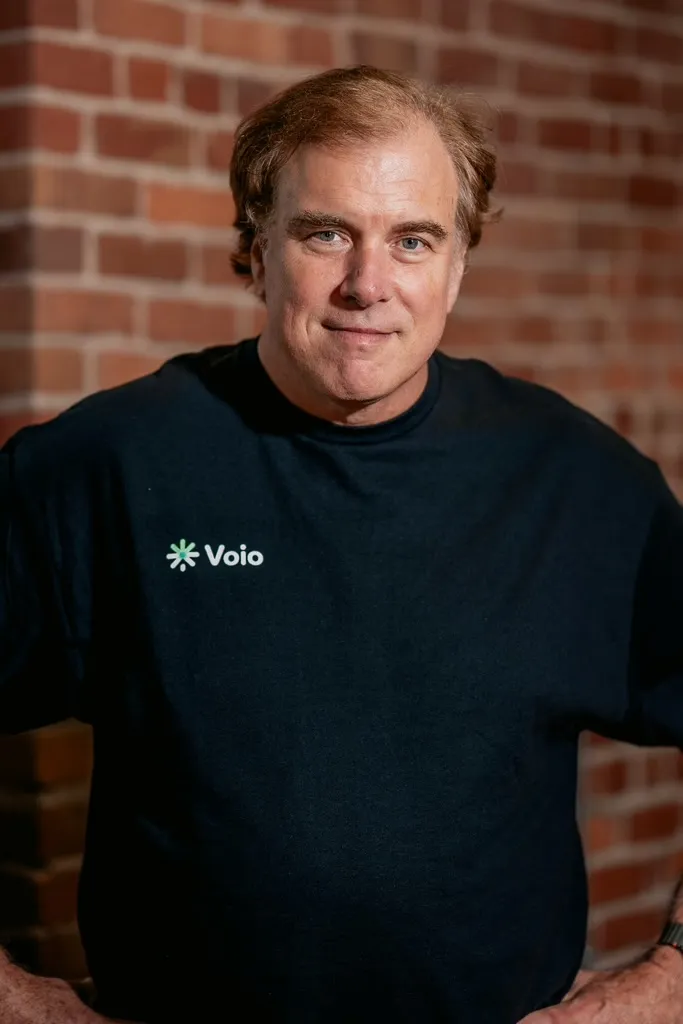 Photo courtesy of Bryan Walker Ting/Voio
The collaboration between Yala, Chung, and Darrell grew from the UCSF/UC Berkeley Joint Program in Computational Precision Health (CPH). This program, started in 2021, uses technology like machine learning to improve clinical care. Yala was one of CPH's first faculty members and continues to teach there. He has always focused on developing AI models that truly help people.
Yala believes CPH offers the best environment for this kind of innovation. As a private startup, Voio now has access to much more data than his university team. This allows Voio to make significant advancements in AI models.
Yala is most excited to get Voio's AI tools into the hands of practitioners. He hopes this will make a real difference for overwhelmed radiologists. He concluded that being a radiologist will be "genuinely more exciting and empowering" in the future, allowing them to focus more on patient care.
Deep Dive & References
Radiologist Shortage Work Force Update - American College of Radiology, 2025 AI in Medicine - PMC, 2024 Pioneering a New Era of Cancer Prediction Using AI - CDSS Berkeley, 2023 Prospective study of Mirai - medRxiv, 2025 Clinical Trial for Mirai - UCSF, 2024