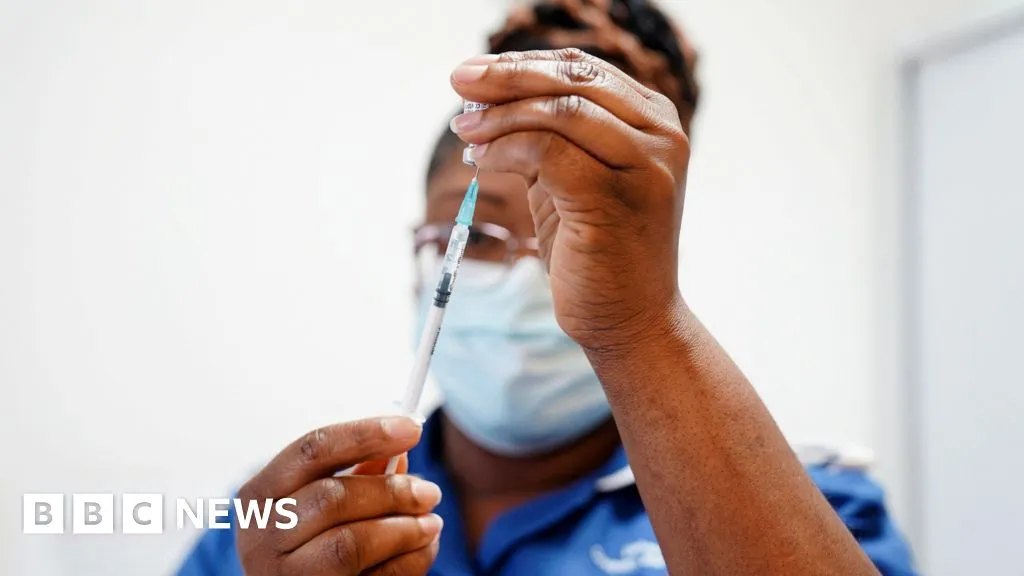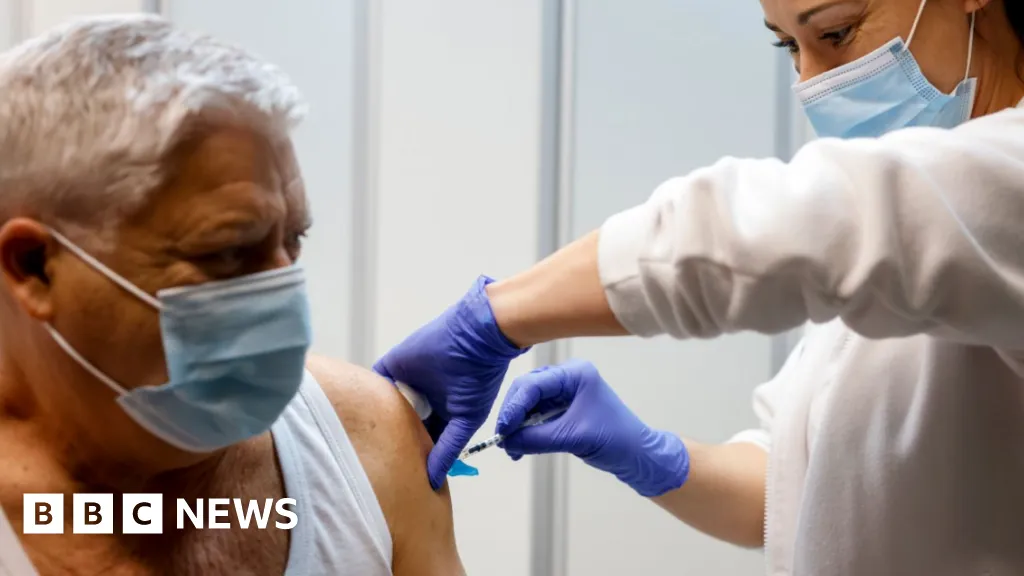
Turns out, getting 130 million vaccine doses into arms in a single year during a global pandemic is an "extraordinary feat." Who knew? The latest UK Covid inquiry report just dropped, calling the entire rollout a massive win that saved hundreds of thousands of lives. Which, if you think about it, is both impressive and slightly terrifying in its scale.
But because nothing is ever simple, the report also comes with a few stern warnings: namely, about the pesky problems of vaccine hesitancy, the wildfire of misinformation, and the rather pressing need to actually support the folks who, through no fault of their own, were harmed by the jabs.
The UK's Great Shot Show
Developing vaccines usually takes a geological epoch. We're talking years of painstaking research and trials. For Covid, it took months. Months. The inquiry was quick to point out that safety wasn't sacrificed, which is good news for anyone who appreciates not having their immune system spontaneously redecorate their lungs.
We're a new kind of news feed.
Regular news is designed to drain you. We're a non-profit built to restore you. Every story we publish is scored for impact, progress, and hope.
Start Your News DetoxOver 90% of people over 12 in the UK rolled up a sleeve. To make that happen, authorities basically turned every community center and place of worship into a pop-up clinic. Because apparently, the best way to get people vaccinated is to bring the vaccine to the people, and maybe offer a biscuit. The inquiry called it a shining example of the UK's health and science systems at their best.
The Trust Problem
While all this was happening, misinformation was having a field day online. Because of course it was. This didn't just hurt Covid jab uptake; it also started eroding trust in childhood vaccines, which have been quietly doing their job for decades. Add in a healthy dose of distrust in authority, especially among certain groups, and you've got a recipe for a public health headache.
The inquiry has some thoughts on this, and it involves rethinking the government's brief flirtation with vaccine mandates for some workers. Remember when care workers had to get jabbed? That policy was later scrapped because, as it turned out, the main benefit of the vaccine was protecting against serious illness, not necessarily stopping every single infection. The inquiry suggests these mandates probably alienated people and made hesitancy worse. Oops.
So, the big takeaway? We need to rebuild trust in all vaccines. Because apparently, once you break it, it's not so easy to glue back together.
A Cheap Drug's Big Moment
Beyond vaccines, the UK also pulled a rabbit out of a hat with treatments. Enter Dexamethasone, a steroid so cheap you could probably find it under your couch cushions. UK researchers quickly discovered this humble drug could calm the immune system's overreaction in Covid patients, which often led to fatal lung damage. They started using it in hospitals within hours of the trial results being confirmed.
By March 2021, Dexamethasone is estimated to have saved 22,000 lives in the UK and a cool one million worldwide. Inquiry chair Baroness Hallett declared it the most important treatment of the pandemic. Take that, fancy new drugs.
When Good Intentions Go Sideways
Now, for the less rosy bit. While serious long-term health problems from Covid vaccines were rare, they weren't non-existent. A small group of people did experience serious injury or even death. Baroness Hallett emphasized that since people were asked to get vaccinated to protect everyone, supporting these individuals is crucial.
Over 20,000 people have submitted claims to the Vaccine Damage Payment Scheme. That's a government program meant to offer financial support. The catch? Only about 1% of those claims have actually resulted in a payout. A one-off, tax-free payment of £120,000. Which sounds like a lot until you consider it's been capped since 2007 and requires proving you're at least "60% disabled."
The report calls for "urgent" reform, suggesting the scheme isn't "sufficiently supportive" and that the payout needs to increase "at least in line with inflation." Because apparently, even when you're doing good, the bureaucracy can still manage to trip over its own feet.