
Depression is common in people with asthma. However, new research suggests that depression in asthma might be different biologically from major depressive disorder.
Researchers from Hiroshima University in Japan found a key difference. Adults with asthma who reported depressive symptoms had higher levels of a protein called brain-derived neurotrophic factor (BDNF) in their blood. This is the opposite of what is usually seen in major depressive disorder, where BDNF levels are typically lower.
The study was published in The Journal of Allergy and Clinical Immunology: In Practice. It suggests that depression linked to asthma may come from different biological processes than other types of depression.
We're a new kind of news feed.
Regular news is designed to drain you. We're a non-profit built to restore you. Every story we publish is scored for impact, progress, and hope.
Start Your News DetoxDepressive symptoms in asthma often mean the disease is harder to control and more severe. While low BDNF is known in major depressive disorder, BDNF also works outside the brain.
The lungs produce BDNF, and its levels go up during airway inflammation. In the lungs, BDNF can affect nerve signals and inflammation. This might make airways more sensitive and worsen asthma symptoms. These overlapping roles made scientists wonder if depression in asthma works the same way as primary depression.
Asthma Depression Has Different Biology
To learn more, researchers studied 140 adults with asthma. They measured BDNF in their blood and checked for symptoms of depression and anxiety. Participants also wore motion sensors to track their daily physical activity. This helped the team see how disease severity, movement, and mental health were connected.
Hiroshi Iwamoto, an associate professor at Hiroshima University, explained the findings. He noted that asthma patients with depressive symptoms have higher BDNF levels, not lower, unlike major depressive disorder. He added that higher BDNF is linked to more severe asthma. These results suggest that the biology behind depressive symptoms in asthma might be different.
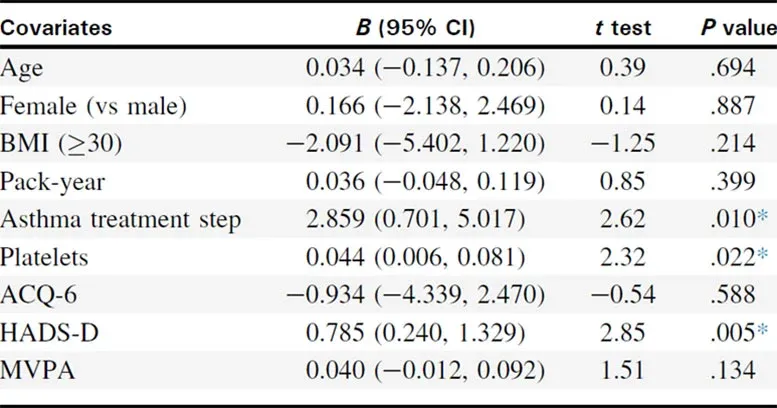
The study also found that people who were less physically active reported worse moods. This suggests that physical limits from asthma might lead to emotional distress. The researchers think BDNF could be a sign of physical stress or inflammation. This might explain why depression in asthma doesn't follow the same biological pattern as major depressive disorder.
Physical Activity and Mood
The findings also highlight the importance of daily activity. Even when accounting for asthma severity, participants who were less physically active had more depressive symptoms.
Iwamoto said the next step is to understand how asthma severity, BDNF, and depressive symptoms are linked. This will involve long-term studies and interventions. Addressing asthma and mental health together could offer the best benefits for patients.
Deep Dive & References
Brain-Derived Neurotrophic Factor Levels Are Associated With Depressive Symptoms in Patients With Asthma - The Journal of Allergy and Clinical Immunology: In Practice, 2025