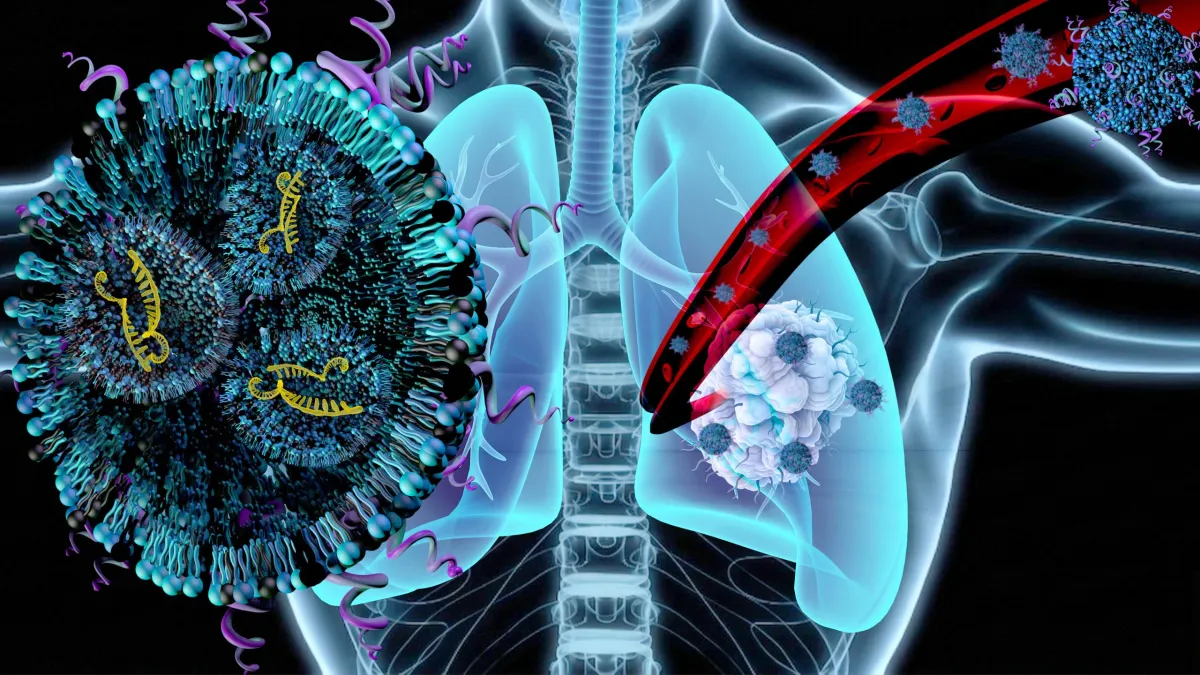
Scientists are exploring a new way to treat a genetic cholesterol disorder called familial hypercholesterolemia (FH). This condition affects about one in 200 adults worldwide. It causes high levels of "bad" cholesterol, or LDL, to build up in the blood. This can lead to heart attacks and other serious heart problems.
Normally, the liver removes LDL cholesterol from the bloodstream using special receptors. But in people with FH, these receptors don't work well due to genetic changes. This means cholesterol isn't cleared efficiently.
Some researchers even think that signs of FH might appear in historical art. For example, some believe that subtle features in Leonardo da Vinci's Mona Lisa could be xanthomas, which are fatty deposits under the skin that can signal the disorder.
We're a new kind of news feed.
Regular news is designed to drain you. We're a non-profit built to restore you. Every story we publish is scored for impact, progress, and hope.
Start Your News DetoxA New Approach to Treatment
Standard treatments like statins try to boost the activity of these LDL receptors. However, statins don't work well for patients whose receptors are severely damaged or missing. This led researchers to think differently.
Instead of trying to remove more cholesterol, what if they could reduce how much cholesterol the body makes in the first place?
A team at the Medical University of South Carolina (MUSC) is testing this idea. Their work, published in Communications Biology, focuses on a protein called apolipoprotein B (apoB). ApoB is essential for forming LDL particles. Without it, these cholesterol-carrying particles cannot form correctly. By targeting apoB, scientists hope to lower the number of LDL particles in the blood, regardless of how well the LDL receptors work.
Building a Human-Like Testing System
To find compounds that could reduce apoB, the team used induced pluripotent stem cells (iPSCs). They reprogrammed adult skin or blood cells into stem cells, then guided them to become liver-like cells in the lab.
This allowed them to create a testing system that acts much like a human liver. This is important because cholesterol metabolism can be very different between species.
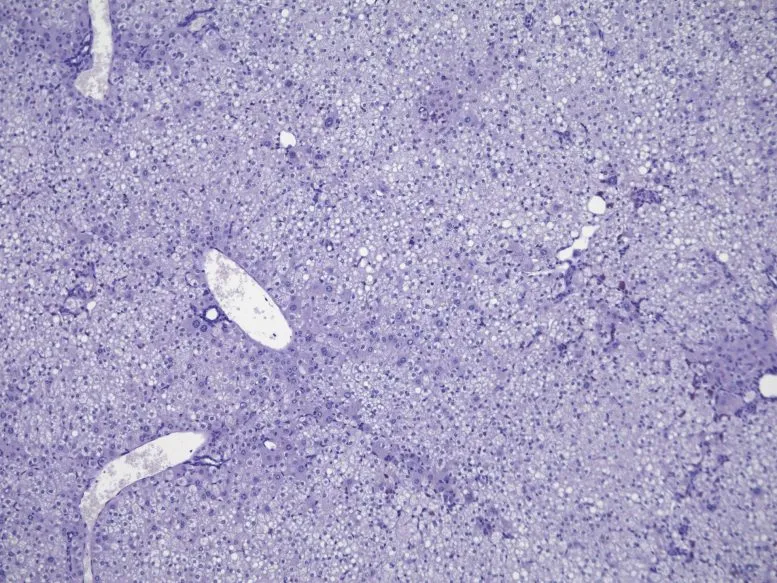
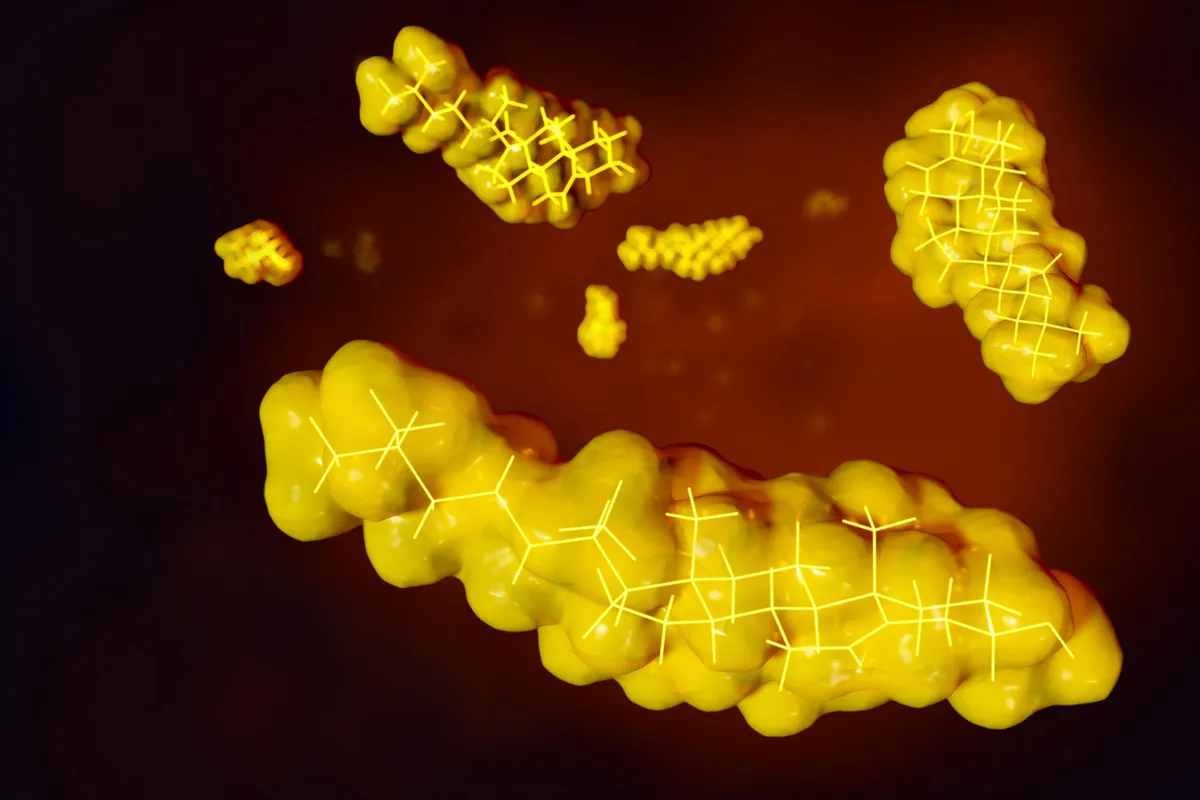
Using this system, they screened about 130,000 compounds. They found a group of molecules that significantly reduced the release of apoB. These molecules also lowered cholesterol and triglyceride levels inside the cells.
Stephen Duncan, who led the study, explained their approach: "Our approach is the original way of doing pharmacology – trying to find drugs that can fix the disease without knowing how it fixes it." He added that this method ensures the drug can actually solve the problem.
Overcoming Challenges with Animal Models
When the team tried traditional mouse testing, the compounds didn't work as expected. This was because mouse liver cells reacted differently than human cells.
To get around this, the researchers used "Avatar" mice from Yecuris. These mice have human liver cells, giving them a human-like cholesterol system.
"We used a humanized mouse model – a mouse with ‘your’ liver in it," Duncan said.
In these humanized mice, the compounds worked well, lowering lipid levels in a way that matched human biology. This is a crucial step, as it suggests the findings could lead to real treatments for people.
These compounds are exciting because they don't rely on the LDL receptor. This offers hope for patients who currently have limited treatment options.
Looking Ahead
This new method combines stem cell technology with large-scale drug screening. It allows scientists to test therapies on human-like systems early on. This could reduce the need for less accurate animal models and increase the chances of finding effective treatments.
Duncan noted, "This shows there is a very feasible way to do drug discovery using a human system."
More research is needed to understand exactly how these compounds work and if they are safe long-term. Scientists also want to see how these new treatments might work with existing ones. Combining therapies that both reduce LDL production and increase its removal could offer a more complete solution.
Recent follow-up research, published in microPublication Biology in 2026, looked at how their lead compound, DL-1, affects liver cells at a genetic level. They found that DL-1 caused limited changes in gene activity, suggesting it doesn't broadly disrupt normal liver function. The findings suggest that DL-1 likely interferes with how the apoB protein is processed and released, rather than shutting down its gene.
Deep Dive & References
- A human iPSC-derived hepatocyte screen identifies compounds that inhibit production of Apolipoprotein B - Communications Biology, 2023
- Effect of triazine thiols on steady-state mRNA levels in iPSC-derived hepatocytes - microPublication Biology, 2026