Turns out, the UK's massive Covid vaccine effort was an "extraordinary feat." Which, after a few years of, shall we say, spirited debate, is a rather satisfying thing to hear. The official Covid inquiry, previously quite fond of a good government lambasting, has finally dropped a report that actually praises something.
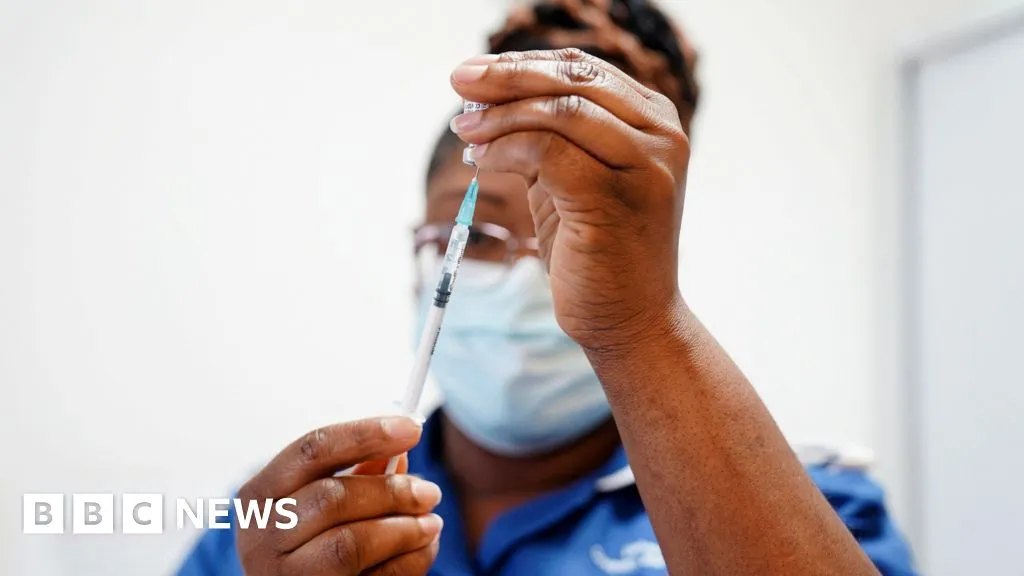
Specifically, the inquiry dubbed the vaccine program the largest immunization drive in UK history. Picture this: 132 million doses administered in 2021 alone. That's a lot of sleeves rolled up, a lot of relief, and, as we're now learning, a lot of lives saved. It seems the UK managed to whip up and deploy jabs with impressive speed, alongside finding effective treatments like a cheap steroid that kept people out of the ICU.
Now, before you get too comfortable, remember this is still a government inquiry. So, naturally, there are a few "buts." The report also points out where things could have been better, especially when it comes to vaccine hesitancy and, perhaps most acutely, the utterly inadequate support for those few who were actually harmed by the jabs.
We're a new kind of news feed.
Regular news is designed to drain you. We're a non-profit built to restore you. Every story we publish is scored for impact, progress, and hope.
Start Your News DetoxThe Good News (and the Head-Scratcher)
Baroness Hallett, the inquiry's chair, didn't mince words, calling the vaccine rollout one of two great pandemic successes (the other being the discovery that a common steroid called dexamethasone could prevent fatal lung damage). Her team estimates the jabs saved over 475,000 lives. Let that satisfying number sink in. Over 90% of people over 12 got at least one dose. Which is, frankly, astounding.
But even with those stellar numbers, some communities had lower uptake — often areas with higher poverty rates or certain ethnic minority groups. The inquiry suggests this was due to online misinformation, a lack of trust, and the sheer speed at which the vaccines were developed. Future governments, it seems, need to learn how to talk to people without sounding like they're trying to sell them a used car.
And here's a kicker: post-pandemic, even routine childhood vaccination rates have dropped. A lasting impact, indeed.
When the System Fails the Few
While the vast majority sailed through their vaccinations without issue, a small minority experienced serious adverse effects. And for them, the system has been, shall we say, less than stellar. Baroness Hallett called for urgent reform to the Vaccine Damage Payment Scheme. This scheme offers a one-off, tax-free payment of £120,000. Sounds decent, right? Except over 20,000 people have made Covid-related claims, and only about 1% have actually received a payout. You read that correctly: one percent. To qualify, you need to prove you're at least "60% disabled" by the vaccine. Kerry Clarkson, 49, who developed a rare blood clot linked to the Oxford AstraZeneca jab and now lives with damaged lungs and nerve pain, was told her issues were below the threshold. She can no longer work full-time but still doesn't qualify. She calls the scheme "not fit for purpose."
And that £120,000 cap? It hasn't changed since 2007. The report suggests it should at least keep up with inflation and, you know, actually reflect the severity of the injury. Because apparently, that's where we are now.
The inquiry also took a swipe at the government's ill-fated attempt to make vaccines mandatory for health and care workers. They mandated it for care homes, then tried to extend it to all health staff, only to scrap the whole thing when it became clear the vaccine mostly prevented serious illness, not infection. A move that, the inquiry notes, likely alienated people and fueled hesitancy. Because nothing builds trust like a mandate you then retract.
So, an "extraordinary feat" it was. Just one that came with a few very human-sized lessons about communication, trust, and not leaving the unlucky few in the lurch.