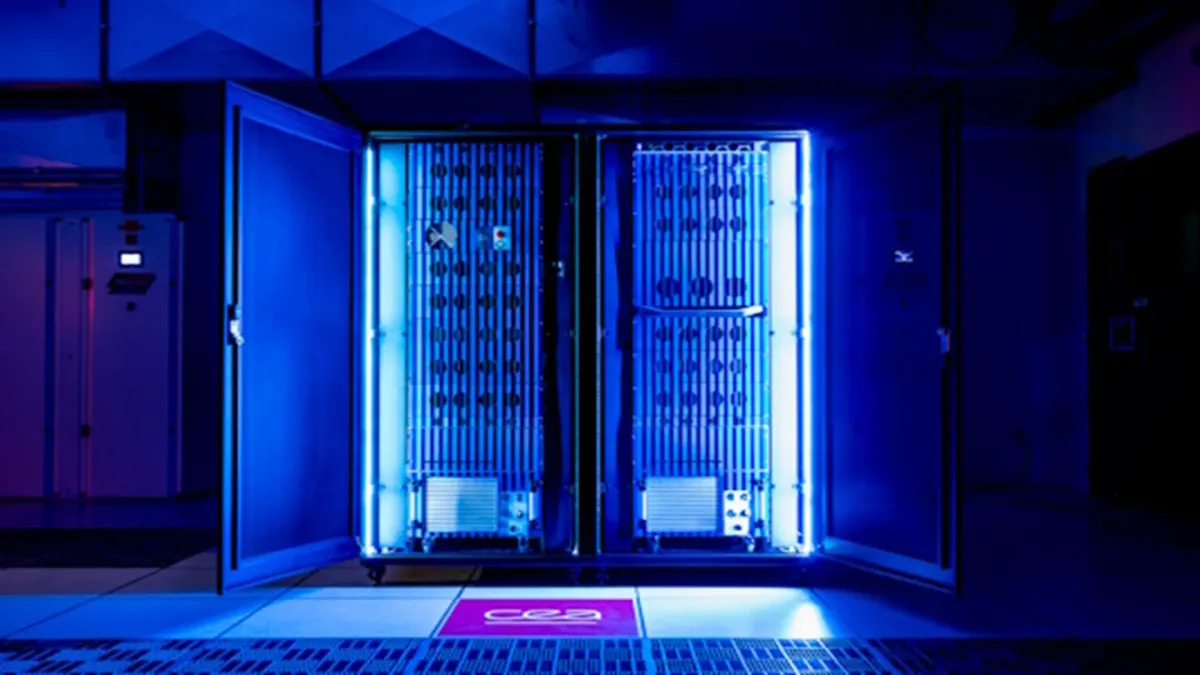
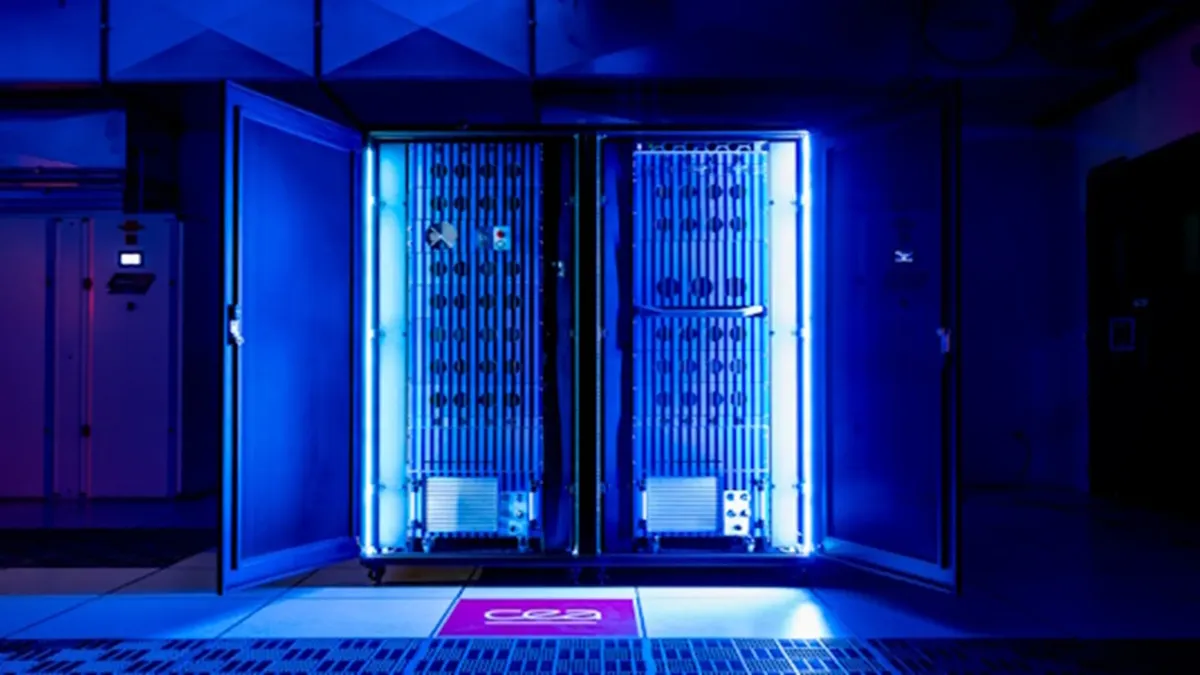
In news that sounds straight out of a sci-fi movie, France just connected a 12-qubit photonic quantum computer named Lucy to its Joliot-Curie supercomputer. Because apparently, regular supercomputers just weren't super enough anymore. The goal? To create a hybrid computing beast that combines the mind-bending power of quantum mechanics with the brute force of classical computing. What could possibly go wrong? (Besides, you know, everything.)
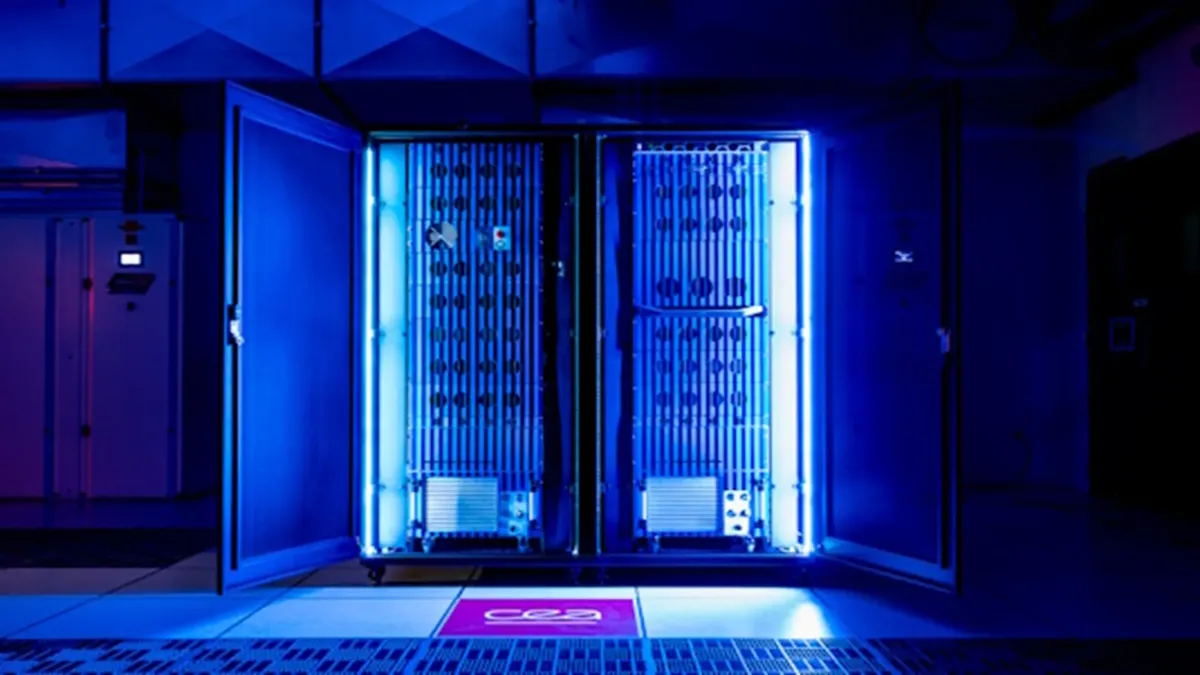
This high-tech marriage is happening at the Très Grand Centre de Calcul (TGCC), run by the French Alternative Energies and Atomic Energy Commission (CEA). Lucy, developed by Quandela, is currently Europe's most powerful photonic quantum computer. Let that sink in: Europe's most powerful quantum machine is now sharing a server rack with a supercomputer. Someone's IT department is having a very interesting week.
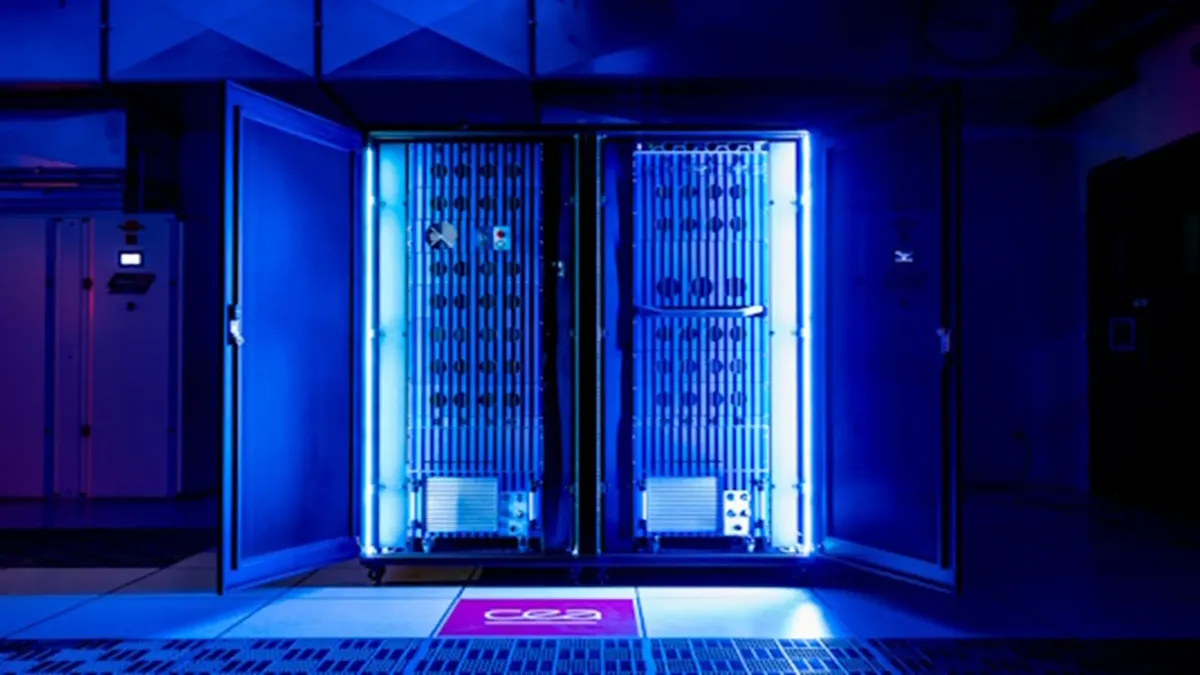
Lucy, which was installed in October 2025 (yes, the future is now, and it's slightly confusing), will soon be open for business to researchers across Europe. This isn't their first rodeo, either; they already integrated another Quandela system, Belenos, at the same facility. Because why have one quantum-supercomputer mashup when you can have two?
We're a new kind of news feed.
Regular news is designed to drain you. We're a non-profit built to restore you. Every story we publish is scored for impact, progress, and hope.
Start Your News DetoxThe Brains and the Brawn
Once Lucy is fully operational, it's set to tackle some truly gnarly problems. We're talking optimizing energy grids (finally, a solution to why my smart home keeps turning off the lights when I'm in the room), improving logistics, modeling risks, and designing aerospace components. These are the kinds of tasks where traditional computers throw up their hands and say, "Too many numbers, not enough coffee."
Anne-Isabelle Etienvre from the CEA highlighted their commitment, noting the journey from developing the first qubits to now connecting these quantum behemoths with supercomputers. It's a testament to how far we've come, and also a subtle reminder that the future is being built by people who understand acronyms like "CEA."
This integration isn't about quantum computers replacing supercomputers. Oh no. It's about them working together. Quantum processors handle the specific, mind-boggling calculations, while classical systems manage everything else. Think of it as a highly specialized, very expensive tag team. This hybrid approach is what researchers hope will lead to actual, practical quantum advantages sooner rather than later. Because who wants to wait for the future when you can just plug it in now?
Europe's Quantum Ambition
Quandela CEO Niccolo Somaschi pointed out the project's broader implications, including cooperation with German partner Attocube. It's all part of a grand European effort for technological independence. Because nothing says independence like building super-powered, light-based computers together.
Lucy uses photonic quantum computing, which relies on light particles instead of superconducting circuits. This means it doesn't need to be kept at temperatures colder than deep space, and it can fit into standard data centers. Which, if you think about it, is both impressive and slightly terrifying. No more dedicated deep-freeze rooms; just pop a quantum computer next to the server humming with cat videos.
This development is also a warm-up for Europe's next-gen supercomputing systems. The Joliot-Curie system will eventually be replaced by the Alice Recoque exascale machine, which will also include hybrid quantum computing parts. So, strap in. We're officially moving from quantum experiments to quantum solutions. And hopefully, none of them will accidentally create a black hole in downtown Paris.