You know how some drugs are great but just don't stick around long enough in your system? Like a guest who brings an amazing dip but leaves before the party really gets going. Well, scientists might have found the ultimate party host for peptide-based medications, including those in the Ozempic family.
Researchers at the University of Utah have stumbled upon an enzyme named PapB. Its superpower? Turning wiggly, unstable drug peptides into compact, ring-shaped powerhouses. This process, known as macrocyclization, basically ties a neat little knot in the drug, making it more stable, longer-lasting, and better at hitting its target.
The Peptide Problem, Solved
Peptides, those small protein-like drugs, are notoriously finicky. "They're inherently reactive," explains Karsten Eastman, a research associate and CEO of Sethera Therapeutics. Think of them as tiny, energetic puppies that are hard to keep track of. PapB, however, is like a master dog trainer, able to precisely modify them into a more disciplined form. Eastman and Professor Vahe Bandarian, who co-authored the study, even launched Sethera Therapeutics to get this discovery out into the world. The university, clearly impressed, named them their 2025 Founders of the Year.
We're a new kind of news feed.
Regular news is designed to drain you. We're a non-profit built to restore you. Every story we publish is scored for impact, progress, and hope.
Start Your News DetoxTraditional methods for this ring-closing trick are often expensive and cumbersome, especially late in the drug development game. PapB sweeps in like a superhero, providing a simpler, more elegant solution. It creates a specific sulfur-carbon bond, a "thioether," that zips the peptide into a ring. And here's the kicker: it does this without needing the usual "leader" sequences that most enzymes demand to find their targets.
Jake Pedigo, the lead author and a graduate student, was particularly jazzed about PapB's flexibility. It worked its magic without a leader sequence and even played nice with unusual amino acids often found in modern diabetes drugs. This means it's not a one-trick pony; it's a versatile tool for designing all sorts of super-stable peptides.
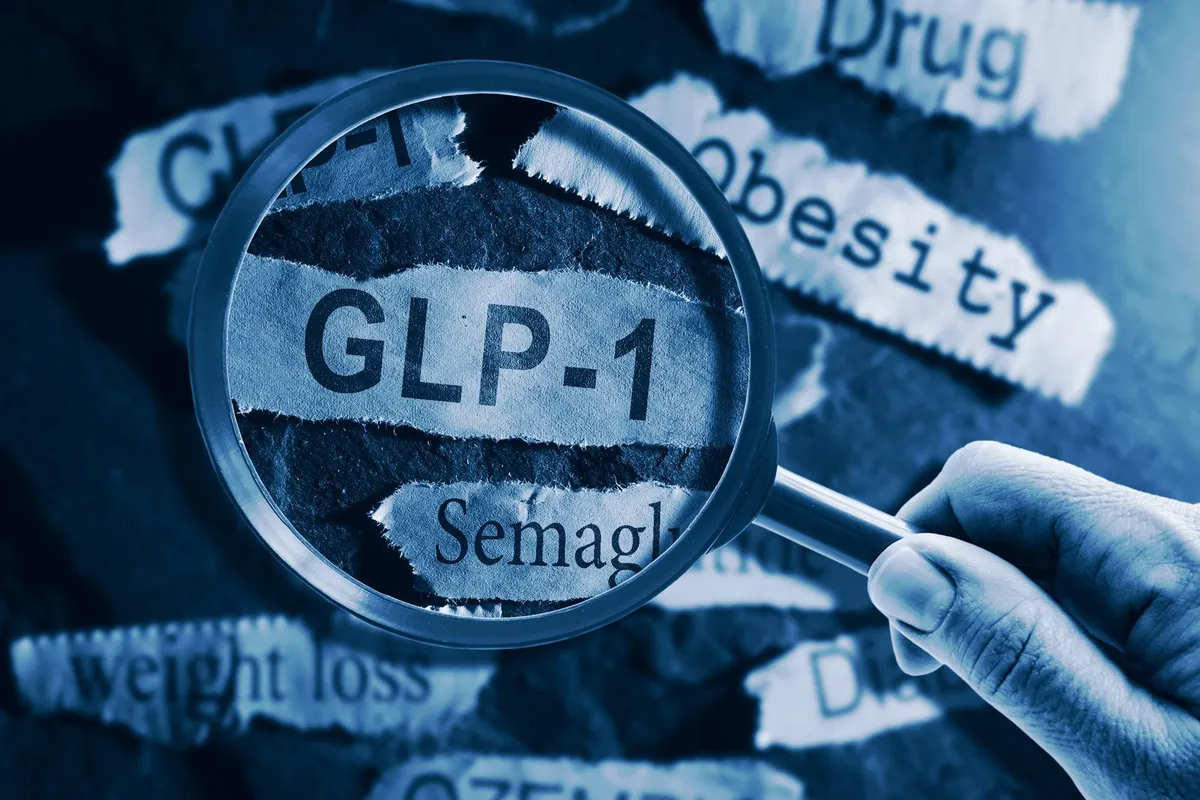
They even tested PapB on three different GLP-1-like peptides, the same class as Ozempic. Each time, the enzyme successfully transformed the open chain into a ring. This suggests PapB could be a game-changer for tweaking existing drugs, giving them a stability upgrade that wasn't possible before, especially with an enzyme.
Making Drugs Go the Distance
Our bodies are constantly breaking down proteins with enzymes called proteases. It's a natural process, but it's also why some peptide drugs have a shelf life of mere minutes in the body. "If a drug only lasts a few minutes, it's not a good treatment," Eastman dryly observes. By using PapB to "tie off" the ends of peptides, researchers can essentially hide them from these natural breakdown crews, keeping the drug active for much longer.
This method isn't just about extending a drug's lifespan; it's about precision. Standard chemical methods can be a bit heavy-handed for delicate peptide drugs. PapB, on the other hand, offers a controlled, enzymatic touch. By proving it works without those pesky leader sequences, the team has opened the door for its use on a vast array of peptides, potentially leading to drugs that are more stable, more targeted, and easier to manufacture. Eastman believes this "clean, late-stage enzymatic step" could make existing GLP-1 drugs perform even better, allowing scientists to fine-tune how long they last and how they signal in the body.
Which, if you think about it, is both impressive and slightly terrifying for anyone who prefers their drugs to just, you know, work.