Turns out, the secret to repairing nerve damage might not be in a fancy lab, but rather in the humble yak. And its high-altitude buddies. Scientists have pinpointed a genetic mutation in animals like yaks and Tibetan antelopes that not only helps them breathe easy at 14,700 feet but also protects and repairs something called the myelin sheath.
Quick primer: the myelin sheath is basically the insulation around your nerve fibers. Think of it as the plastic coating on an electrical wire. When it gets damaged, signals slow down or stop altogether. This is what happens in charming conditions like multiple sclerosis (MS) and cerebral palsy. Now, scientists are suggesting these mountain-dwelling creatures might have handed us a natural blueprint for repair.
Your Brain's Electrical Tape
That myelin sheath is crucial for rapid-fire communication between your brain and the rest of your body. Without it, things get... glitchy. Low oxygen during early brain development can mess with this crucial layer, leading to cerebral palsy in newborns. In adults, MS is the big one, where your own immune system decides myelin looks delicious and attacks it.
We're a new kind of news feed.
Regular news is designed to drain you. We're a non-profit built to restore you. Every story we publish is scored for impact, progress, and hope.
Start Your News DetoxEven poor blood flow, a common joy of aging, can chip away at myelin, contributing to things like vascular dementia. Basically, you want that myelin intact. Always.
The High-Altitude Hero Gene
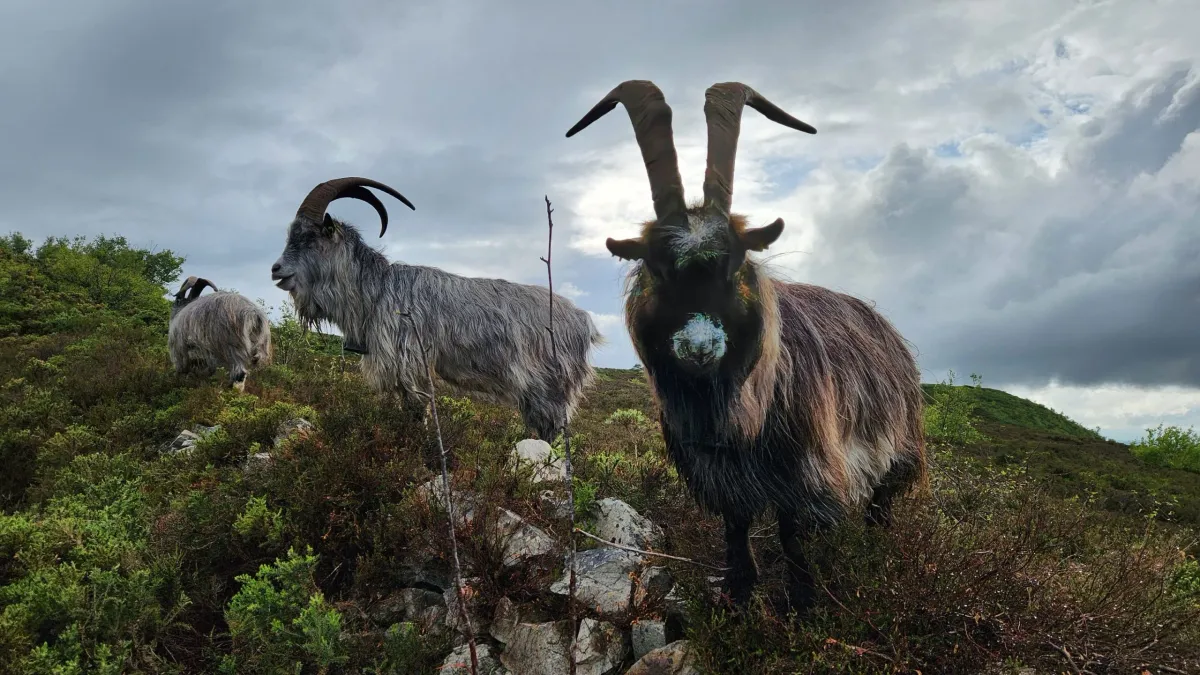
Animals on the Tibetan Plateau are no strangers to thin air. Researchers had already noticed a particular mutation in a gene called Retsat in these animals and suspected it was helping them keep their brains sharp despite the oxygen deprivation.
So, Liang Zhang and his team put it to the test. They exposed newborn mice to low-oxygen conditions (think: over 13,000 feet) for a week. The mice with the Retsat mutation? They aced their learning, memory, and social behavior tests. Their brains also had significantly more myelin. Because, apparently, even mice can get altitude sickness.
A Vitamin A Twist
It gets better. This mutation didn't just prevent damage; it helped fix existing problems. In mice with myelin damage (like an MS model), recovery was faster and more complete. These areas were practically throwing a party for new, mature oligodendrocytes – the cells responsible for making myelin.
The secret sauce? The mutant mice produced more ATDR, a substance derived from vitamin A. The Retsat mutation essentially supercharges the enzymes that turn vitamin A into its active forms, which then tell those oligodendrocyte cells to get busy building more myelin. When researchers gave ATDR directly to mice with an MS-like condition, the animals saw less severe disease and better movement. Which, if you think about it, is both impressive and slightly terrifying in its simplicity.
Most current MS treatments are all about taming the immune system. But Zhang's discovery points to a different path: using naturally occurring molecules already in our bodies to patch up the damage. Because sometimes, the best solution is just a souped-up version of what nature already provided. Just ask a yak.