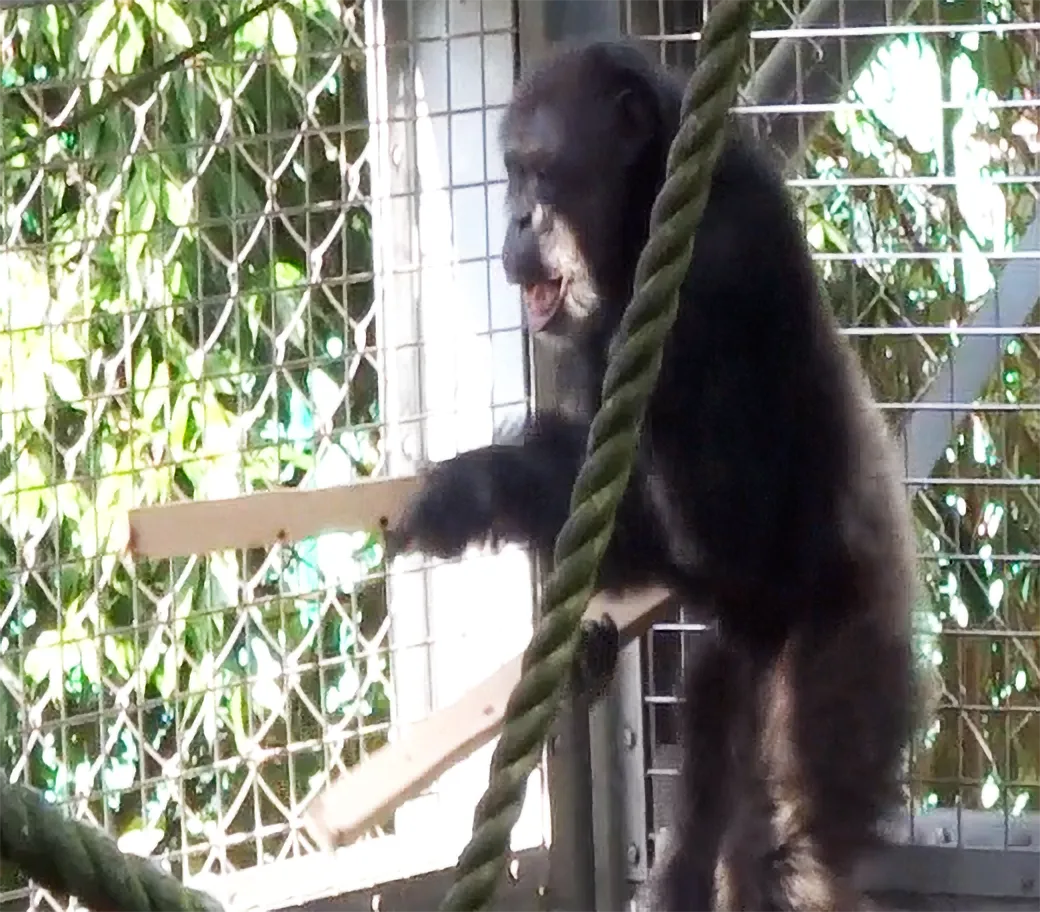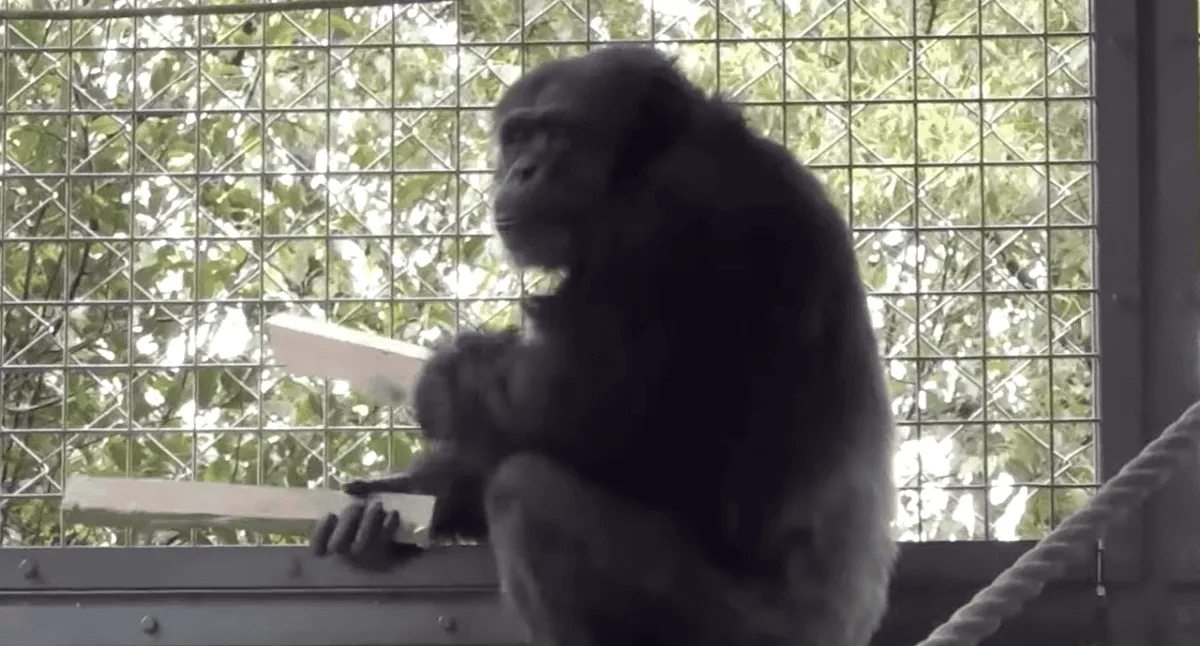
Ayumu, a 26-year-old chimpanzee with a residency at Kyoto University, has apparently decided the typical chimp curriculum just wasn't cutting it. So, he picked up a new hobby: spontaneous, rhythmic drumming with loose floorboards. While vocalizing, naturally.
His human colleagues, primatologist Yuko Hattori and her team, were, shall we say, intrigued. Chimps have been known to bang on tree trunks or throw stones — classic chimp moves. But using a stick (or, in Ayumu’s case, a floorboard) to drum in such a structured, almost intentional way? That was a first.

Over two years, Hattori's team dutifully recorded 89 of Ayumu's impromptu jam sessions. Their findings, published in the Annals of the New York Academy of Sciences, confirmed what they suspected: Ayumu wasn't just randomly banging. His drumming was rhythmic. Even more interesting, it sounded strikingly similar to the long-distance vocalizations wild chimps use to chat across the jungle.
We're a new kind of news feed.
Regular news is designed to drain you. We're a non-profit built to restore you. Every story we publish is scored for impact, progress, and hope.
Start Your News DetoxTurns out, Ayumu might just be the avant-garde artist of a much older tradition. Wild chimpanzees are known for drumming on tree roots, creating low-frequency beats that can travel over a kilometer. Think of it as the original jungle telegraph. A 2025 study (yes, the future is now) in Current Biology analyzed over 370 drumming sessions from 11 wild chimp groups.
They found that this drumming isn't just rhythmic; it's also culturally distinct. Western chimpanzees apparently prefer a steady, even beat, while their Eastern counterparts mix it up with a jazzier blend of short and long intervals. Because even chimpanzees have regional musical tastes, apparently. Which, if you think about it, is both impressive and slightly terrifying for aspiring human drummers.