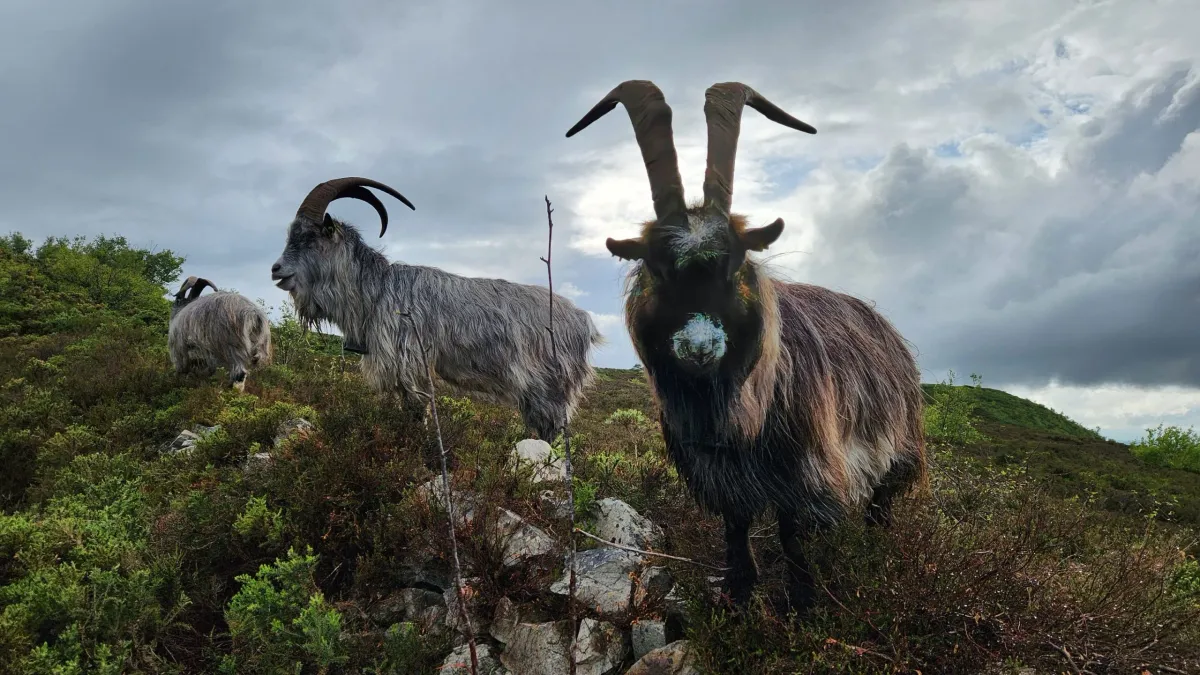
New research shows that the modern Old Irish Goat may be directly related to goats living in Ireland over 3,000 years ago. This suggests a continuous genetic line from the Late Bronze Age.
This discovery means the rare native breed has kept its lineage on the island for thousands of years.
University College Dublin led the study with Queen’s University Belfast and other international partners. They used biomolecular and archaeological evidence. The findings were published in the Journal of Archaeological Science. This research changes how we see Ireland’s farming history. It also highlights why we need to protect the Old Irish Goat as a direct link to early farming.
We're a new kind of news feed.
Regular news is designed to drain you. We're a non-profit built to restore you. Every story we publish is scored for impact, progress, and hope.
Start Your News DetoxIreland's Oldest Goat Remains
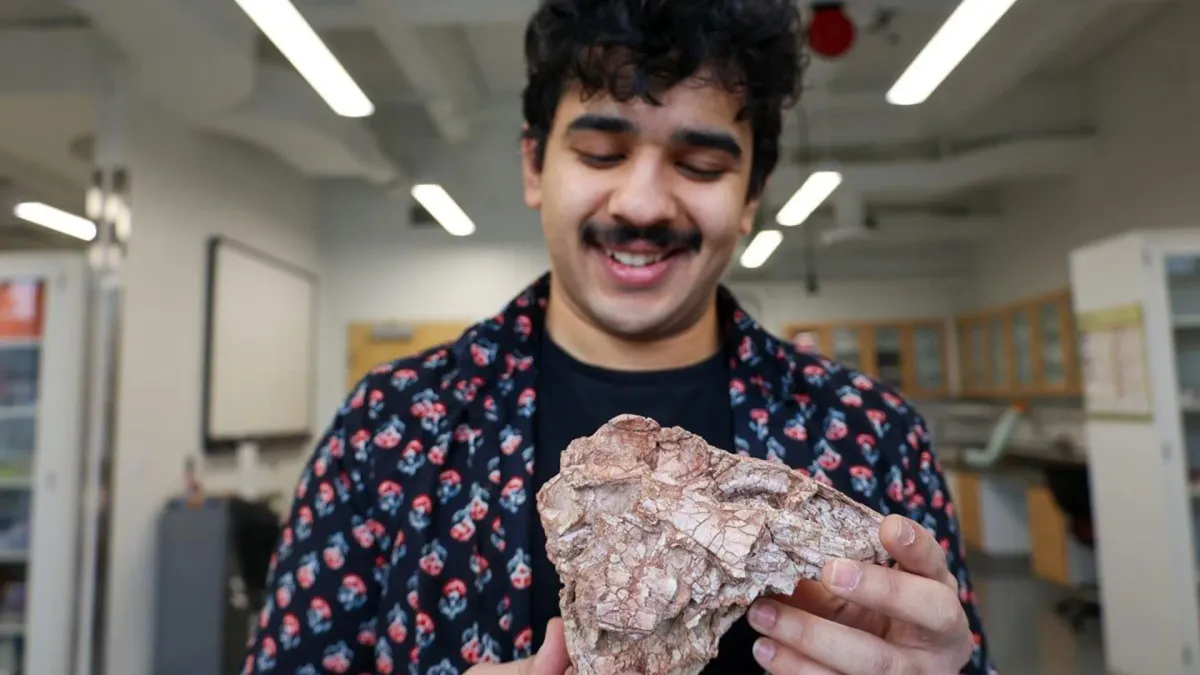
The research team looked at goat bones from Haughey’s Fort in Co Armagh, dating back to about 1100–900 BCE. They also studied material from the medieval settlement of Carrickfergus in Co Antrim.
They used radiocarbon dating, genetic, and protein-based methods. This confirmed that the Bronze Age bones are the oldest goat remains found in Ireland.
Genetic comparisons showed these ancient animals are most closely related to the Old Irish Goat population alive today. This breed is critically endangered.
Assistant Professor Kevin Daly, a co-lead author, said that combining genetics, proteomics, and archaeology gives us a look at animals from hundreds and thousands of years ago. He noted their descendants likely still live with us as part of our heritage.
Deep Roots in Irish Folklore
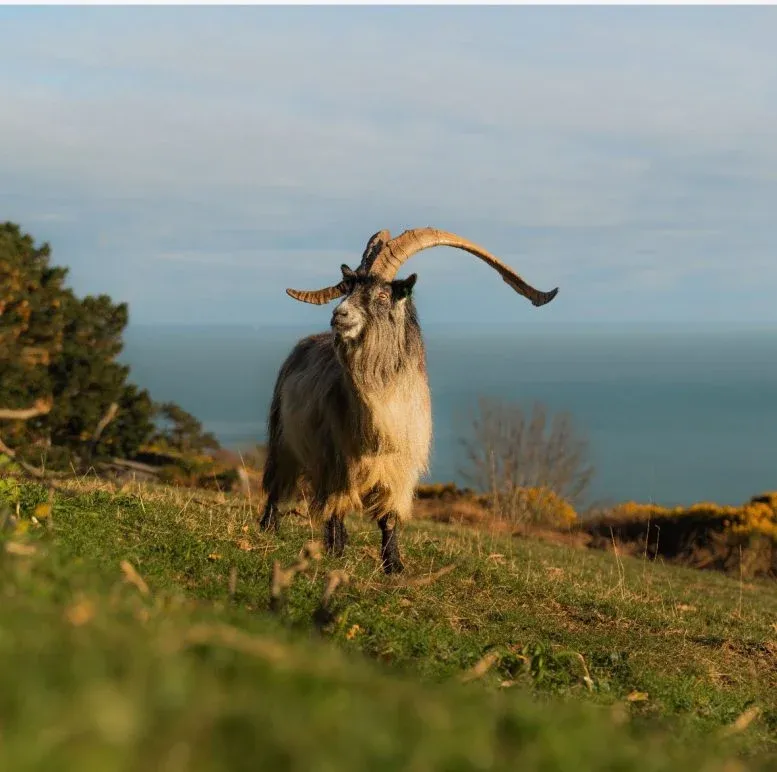
The Old Irish Goat, known as ‘an Gabhar Fiáin’ (the wild goat), has a long history in Irish folklore. Today, small wild populations still exist. These goats are known for being tough and independent. They thrive in harsh rural areas, needing few resources. Their milk is rich in nutrients, making them valuable to small farmers.
While cattle appear in many famous Irish myths, goats are often found in local traditions, place names, and seasonal customs.
Puck Fair in Killorglin, Co Kerry, is a well-known example. It's one of the country’s oldest festivals. Every August, a goat from the mountains is crowned “King Puck.” It then presides over three days of celebrations. The festival's exact origins are unclear, but it shows the deep connection between goats and local communities.
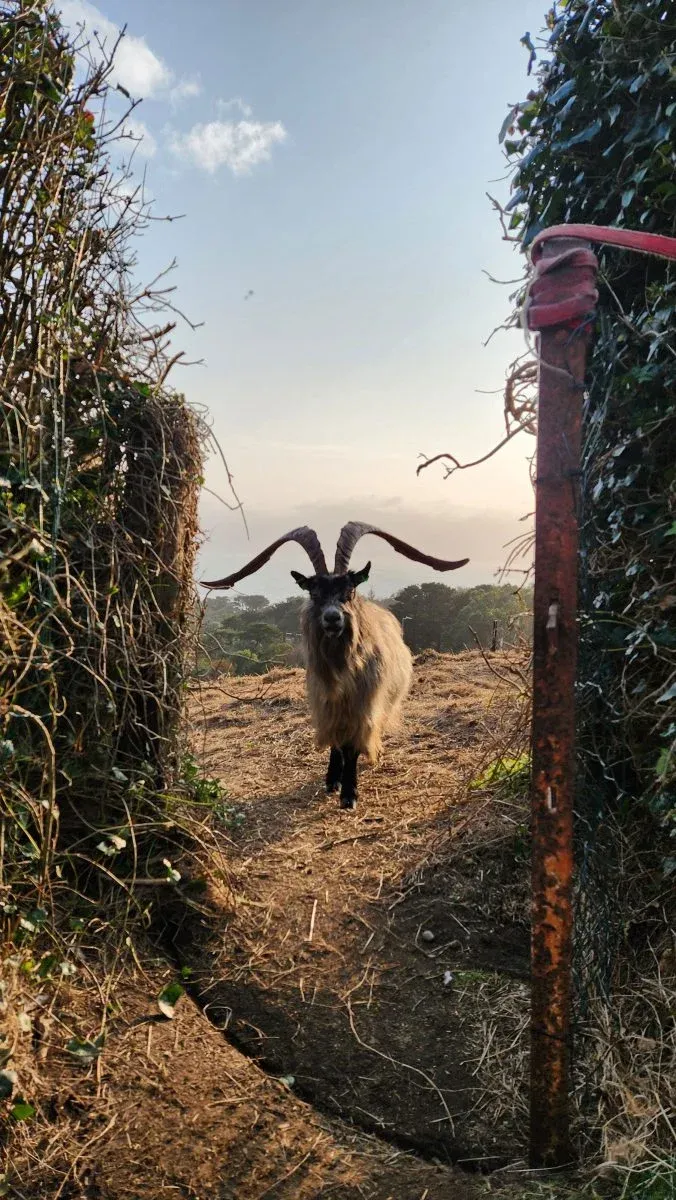
Dr. Jolijn Erven, another co-lead author, noted that despite thousands of years, changing farming, and recent decline, these goats have kept a strong genetic link to their ancestors and Ireland’s farming past.
Professor Eileen Murphy from Queen’s University Belfast said that goats are often overlooked in archaeological records compared to sheep. It is hard to tell their bones apart. She added that historical sources suggest goat herds were kept for trading skins from ports like Carrickfergus.
Studying Ancient DNA
To identify goat remains accurately, researchers first used protein fingerprinting (ZooMS). This method finds species through tiny traces of collagen.
Then, they extracted and sequenced ancient DNA. This allowed them to compare Bronze Age, medieval, and modern goat populations worldwide.
The results showed that goats from prehistoric and medieval Ireland are genetically closest to today’s Old Irish Goat. This proves their long and continuous presence on the island.
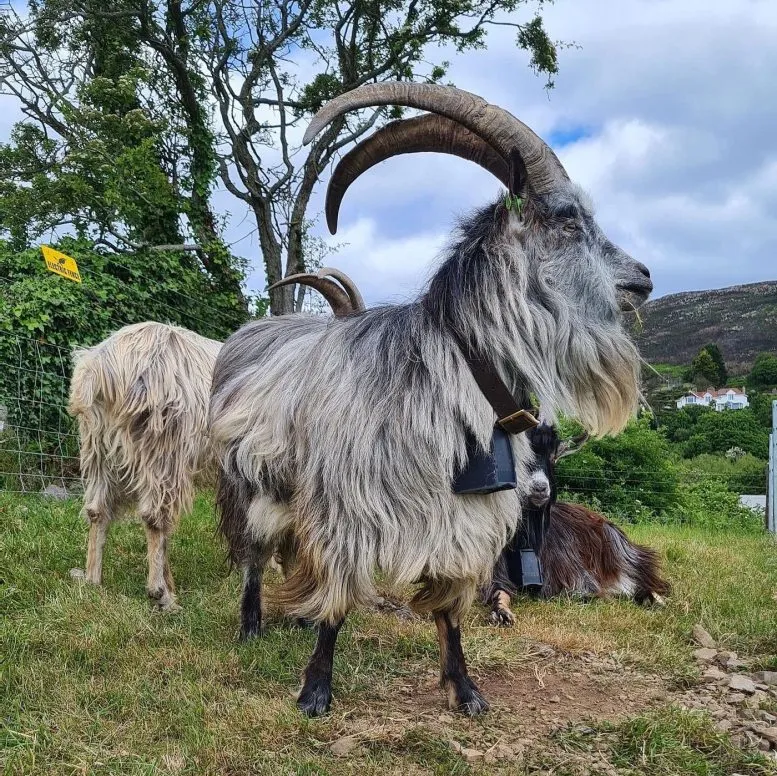
The study also revealed recent genetic changes. Medieval goats had more diversity. Modern Old Irish Goats show signs of inbreeding due to a sharp population drop in recent decades. This suggests the current genetic bottleneck is a recent issue, not a long-term trait of Irish goat populations.
Sinead Keane from The Old Irish Goat Society called this research a huge step. She said it scientifically confirms what communities and conservationists believed: the Old Irish Goat is a living part of ancient heritage. She stressed the urgent need to protect this endangered breed, which holds a living genetic record of Ireland’s past.
The authors also noted that co-lead author Dr. Judith Findlater passed away before publication. Parts of the study were from her PhD research on Medieval Carrickfergus.
Deep Dive & References
Old goats: 3,000 years of genetic connectivity of the domestic goat in Ireland - Journal of Archaeological Science, 2026