A new program in the UK will offer tailored mental health support to people with diabetes. This comes as patients and experts highlight the severe emotional toll of managing the condition.
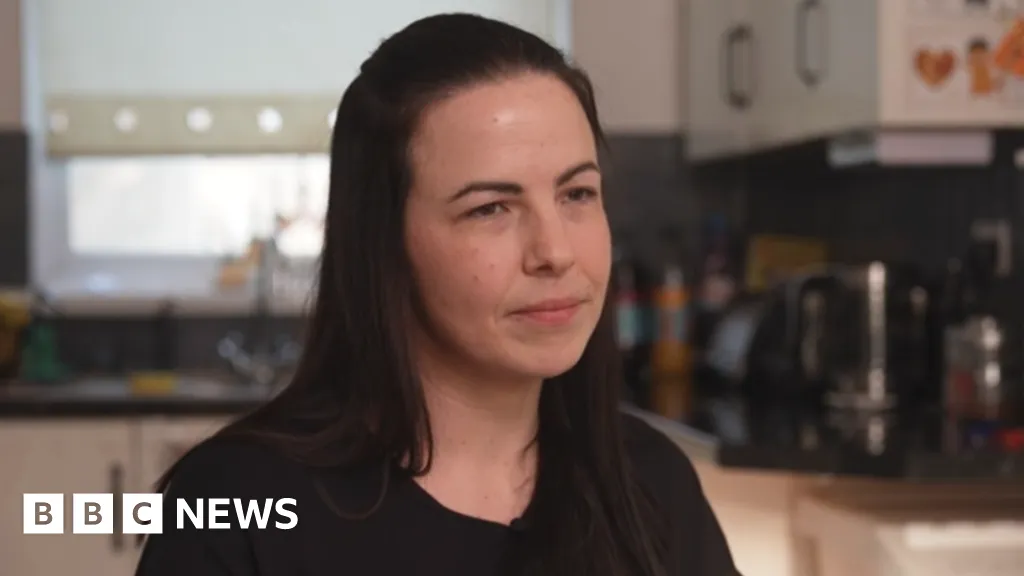
Naomi Durnham, a mother of two from Cardiff, experienced severe post-natal depression after her second daughter was born during the Covid pandemic. She has type 1 diabetes and felt her daughters "would be fine if they didn't have me."
Diabetes UK reports that people with diabetes are twice as likely to experience depression. The shared symptoms between the two conditions can make it harder to get help.
We're a new kind of news feed.
Regular news is designed to drain you. We're a non-profit built to restore you. Every story we publish is scored for impact, progress, and hope.
Start Your News DetoxThe Struggle for Support
Naomi's mental health worsened in 2020. She felt "completely numb" during lockdown. Her health visitor noticed her struggles and contacted her GP. However, Naomi said her GP only prescribed increasing doses of antidepressants over the phone. There was no mention of perinatal mental health support.
At her lowest point, Naomi stopped taking her insulin. This led to diabetic ketoacidosis (DKA), a life-threatening condition. She had "countless" hospital admissions.
Naomi felt caught between services. "The diabetes team would say it was mental health, and the mental health team would say it was a diabetes problem," she explained. She believes there are no services set up to handle both.
Naomi spent two years in and out of the hospital. She had to stop her nursing course. There were even concerns about her ability to care for her children. She found help through peer support networks, online communities, and charity services. This allowed her to recover and resume her studies.
She still worries about the long-term impact on her children. Naomi advocates for more "holistic assessments" and "appropriate signposting" for people like her.
Diabetes and OCD
Duke Al, a spoken word poet, was diagnosed with type 1 diabetes in 2018 at age 23. He initially handled the diagnosis well. But soon, "frustrations started to creep in." He felt like "a weaker version of myself."
This led to "self-destruct mode," where he would deliberately neglect his insulin. Duke also has obsessive-compulsive disorder (OCD). He said his diabetes diagnosis "collided with it dramatically," worsening his mental health.
His OCD involves intrusive thoughts about numbers. He feels he must perform compulsions to prevent bad things from happening. This could lead him to inject the wrong amount of insulin to avoid a "bad number."
Duke experienced "diabetes burnout," feeling overwhelmed by managing blood glucose, insulin, diet, and exercise.

He is now in a good place. He uses poetry as a coping mechanism and self-therapy. Duke advocates for more psychological support for people with type 1 diabetes. He believes the whole person needs to be treated, not just the physical numbers.
A New Pathway for Care
Dr. Rose Stewart, Wales' diabetes psychology lead, highlights the "relentless condition" of diabetes. She says it significantly impacts mental health. Many compare it to "having to beat your own heart" because it's a constant effort.
Research shows a "bi-directional relationship" between mental health and diabetes. Mental health problems can impair self-care, leading to diabetes complications. These complications, in turn, can worsen mental health. Dr. Stewart often sees patients passed between diabetes and mental health services.
She is developing a national pathway for diabetes psychology in Wales. This program aims to give people quick access to specialist support. It will include online programs, individual therapy, and crisis care.

This is the first program of its kind in the UK, and possibly the world. It will develop a complete model of care for people with diabetes. It will also train diabetes staff to better support mental health. Dr. Stewart calls it "really exciting."
Political parties in the UK also recognize the need for better integrated physical and mental health services for people with long-term conditions like diabetes.
Deep Dive & References: Depression and Diabetes - Diabetes UK Diabetic Ketoacidosis (DKA) - NHS Obsessive Compulsive Disorder (OCD) - NHS Diabetes Burnout - Diabetes UK Research on Mental Health and Diabetes - The Lancet Regional Health – Europe, 2025