Scientists are rethinking brain aging. New evidence suggests its effects might be partially reversible. A new treatment targets hidden inflammation and shows early promise in restoring how the brain works.
Reversing Brain Aging with a Nasal Spray
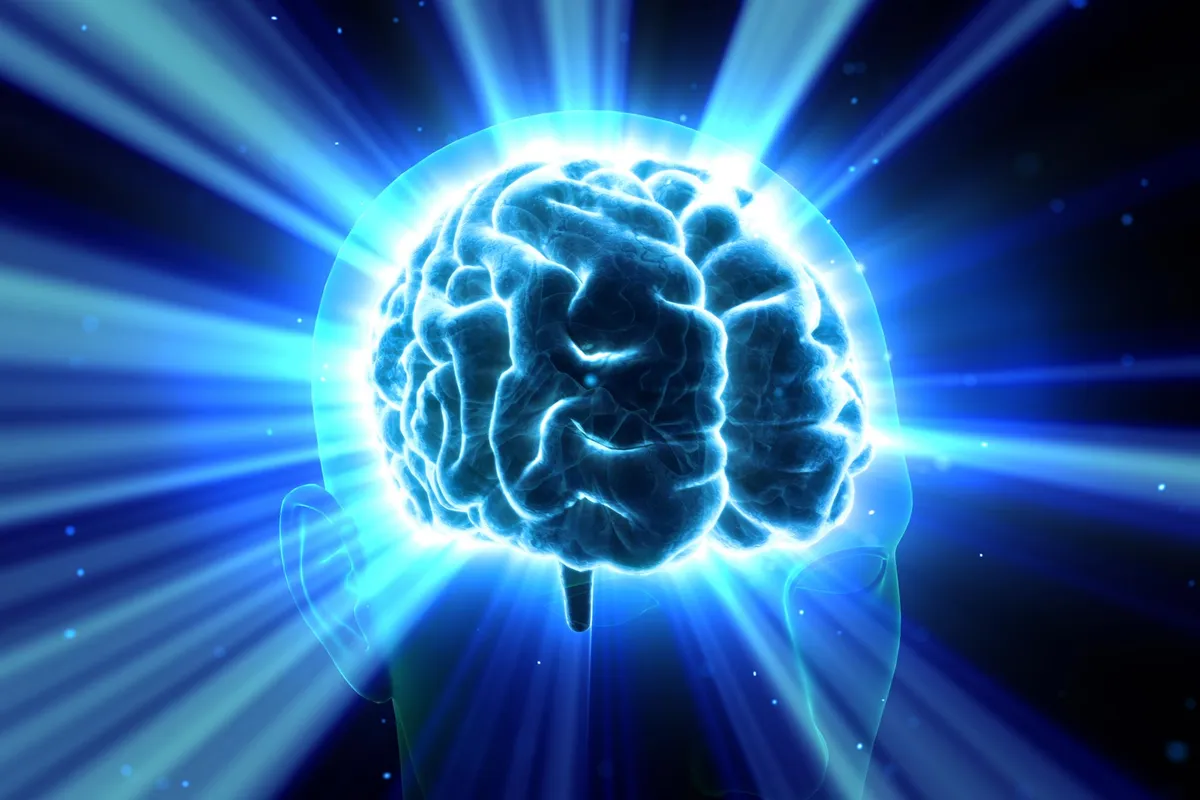
The brain can be thought of less like a machine that wears out and more like one that overheats. As people get older, low-level inflammation builds up in areas important for memory and learning. This constant irritation, called "neuroinflammaging," is linked to brain fog, slower thinking, and a higher risk of diseases like Alzheimer's. For a long time, scientists thought this process was unavoidable.
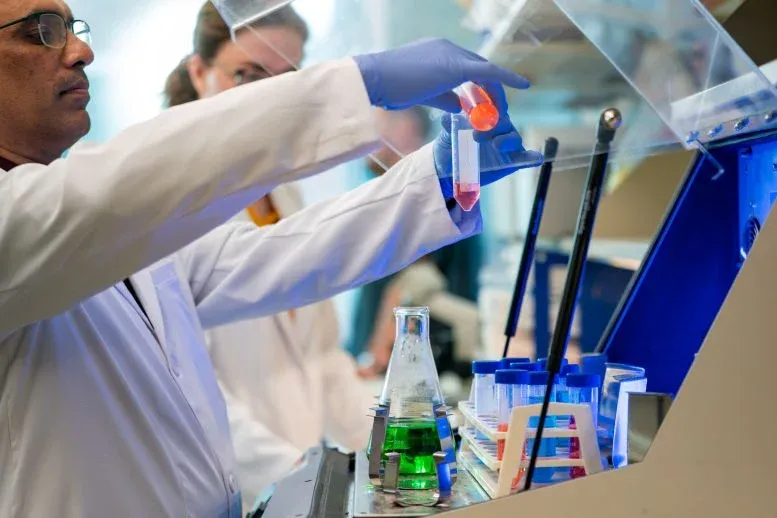
New research from the Texas A&M University Naresh K. Vashisht College of Medicine suggests otherwise. A team led by Dr. Ashok Shetty, Dr. Madhu Leelavathi Narayana, and Dr. Maheedhar Kodali found that age-related brain inflammation might be reversible. Their method is a simple nasal spray.
We're a new kind of news feed.
Regular news is designed to drain you. We're a non-profit built to restore you. Every story we publish is scored for impact, progress, and hope.
Start Your News DetoxThe treatment showed striking results after just two doses. It reduced inflammation, restored energy systems in brain cells, and improved memory. Improvements appeared within weeks and lasted for months.
"Brain age-related diseases like dementia are a major health concern worldwide," Shetty said. "What we’re showing is brain aging can be reversed, to help people stay mentally sharp, socially engaged and free from age-related decline."
The findings were published in the Journal of Extracellular Vesicles. They could change how neurodegenerative diseases are treated and how brain aging is understood.
A Simple Solution for a Complex Problem
This discovery could have big impacts. "A simple, two-dose nasal spray could one day replace invasive, risky procedures or maybe even months of medication," Shetty said.
The need for new treatments is urgent. In the United States, new dementia cases are expected to rise from about 514,000 in 2020 to about 1 million by 2060. Shetty noted this trend shows a strong need for new policies and treatments to reduce the risk and severity of disorders like dementia.
The treatment worked similarly in both males and females, which is not common in biomedical research. "It’s universal," Shetty said. "Treatment outcomes were consistent and similar across both sexes."
Researchers believe this approach could help stroke survivors regain lost function. It might also slow or reverse cognitive decline in people.
"Our approach redefines what it means to grow old," Shetty said. "We’re aiming for successful brain aging: keeping people engaged, alert, and connected. Not just living longer, but living smarter and healthier."
How the Nasal Spray Works
The treatment uses tiny biological particles called extracellular vesicles (EVs). These EVs carry microRNAs, which help control genes and signaling pathways in the brain. "MicroRNAs act like master regulators," Narayana said. "They help modulate and regulate many gene and signaling pathways in the brain."
The way the treatment is given is key. When used as a nasal spray, the EVs bypass the brain’s protective barrier. They move directly into brain tissue. "Intranasal delivery allows us to reach, and treat, the brain directly without invasive procedures," Kodali said.
Once in the brain, the microRNAs reduce activity in inflammatory systems. These include the NLRP3 inflammasome and the cGAS–STING pathways. The therapy also improved how mitochondria work. Mitochondria provide energy to brain cells. By fixing these systems, the treatment improved the brain's ability to process and store information.
"We are giving neurons their spark back by reducing oxidative stress and reactivating the brain’s mitochondria," Narayana said.
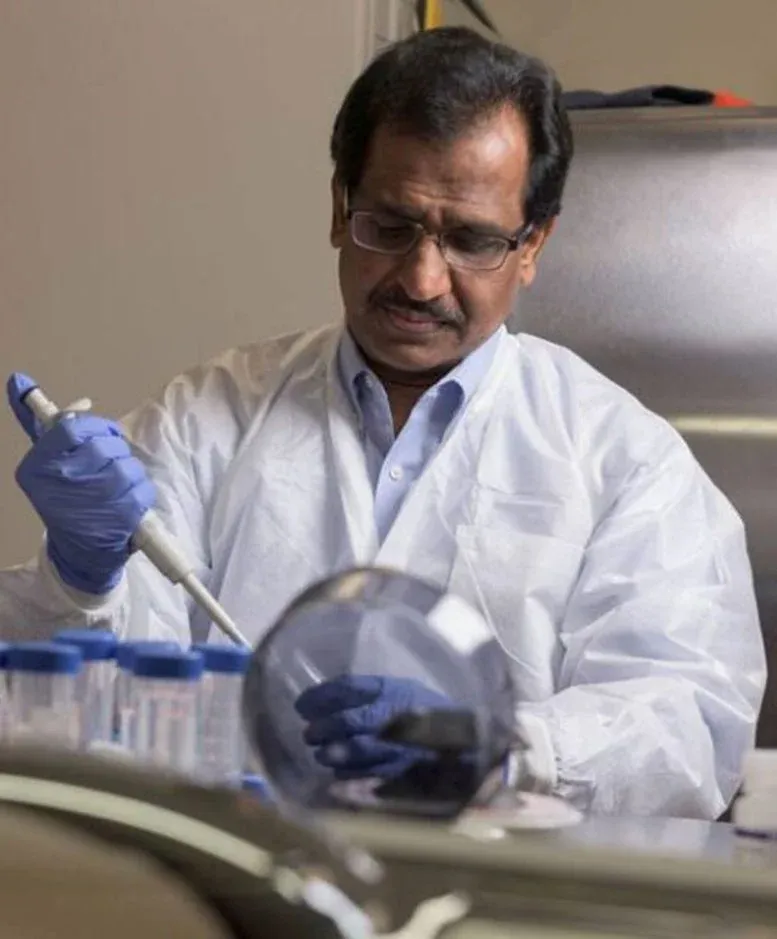
Tests showed that subjects who received the treatment were better at recognizing familiar objects. They were also more aware of changes around them. "We are seeing the brain’s own repair systems switch on, healing inflammation and restoring itself," Shetty said.
The team has filed a U.S. patent for the therapy. This work shows Texas A&M’s role in turning scientific discoveries into practical treatments. "We aren’t just trying to understand the biological mechanisms, we are translating and developing our findings into real-world therapies that could make a difference," Shetty said.
Support from the National Institute on Aging (NIA) helped bring together the experts and resources needed for this therapy. "Our partnership with the NIA is very important," Shetty said. "This kind of work requires resources and the right people to tackle problems and develop solutions that could change lives."
While aging affects brain function, researchers are finding ways to restore its performance. This work points to a future where cognitive decline can be slowed, or even reversed, leading to healthier brain aging.
Deep Dive & References
Intranasal Human NSC-Derived EVs Therapy Can Restrain Inflammatory Microglial Transcriptome, and NLRP3 and cGAS-STING Signalling, in Aged Hippocampus - Journal of Extracellular Vesicles, 2026