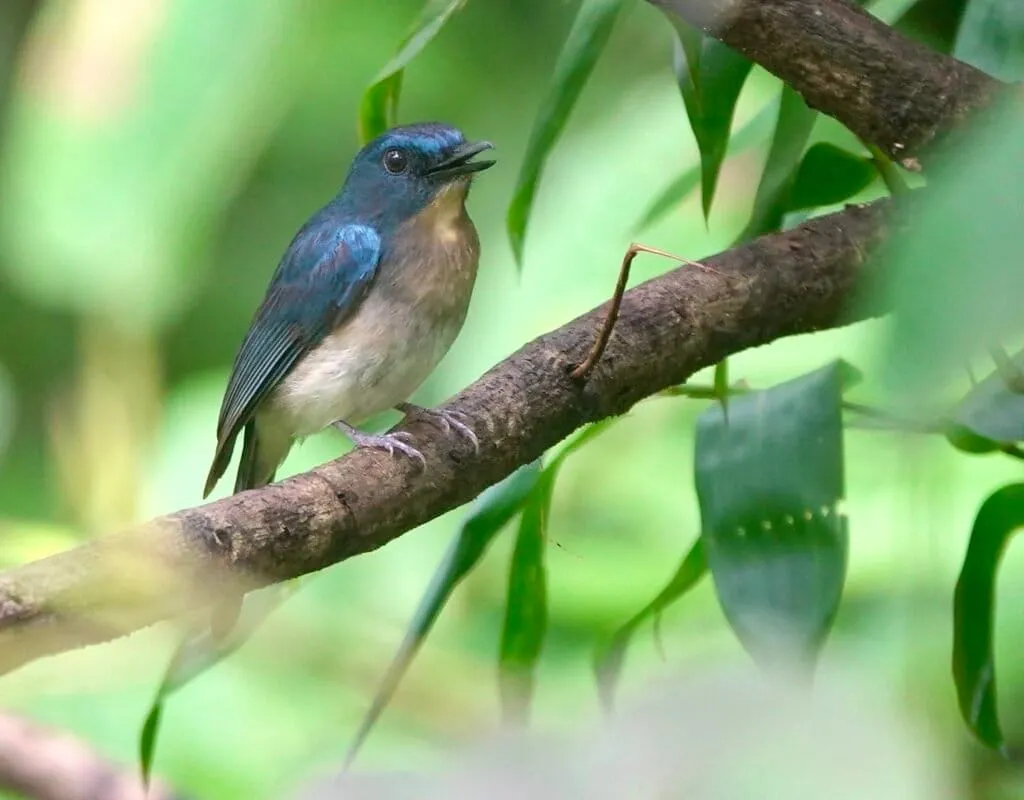
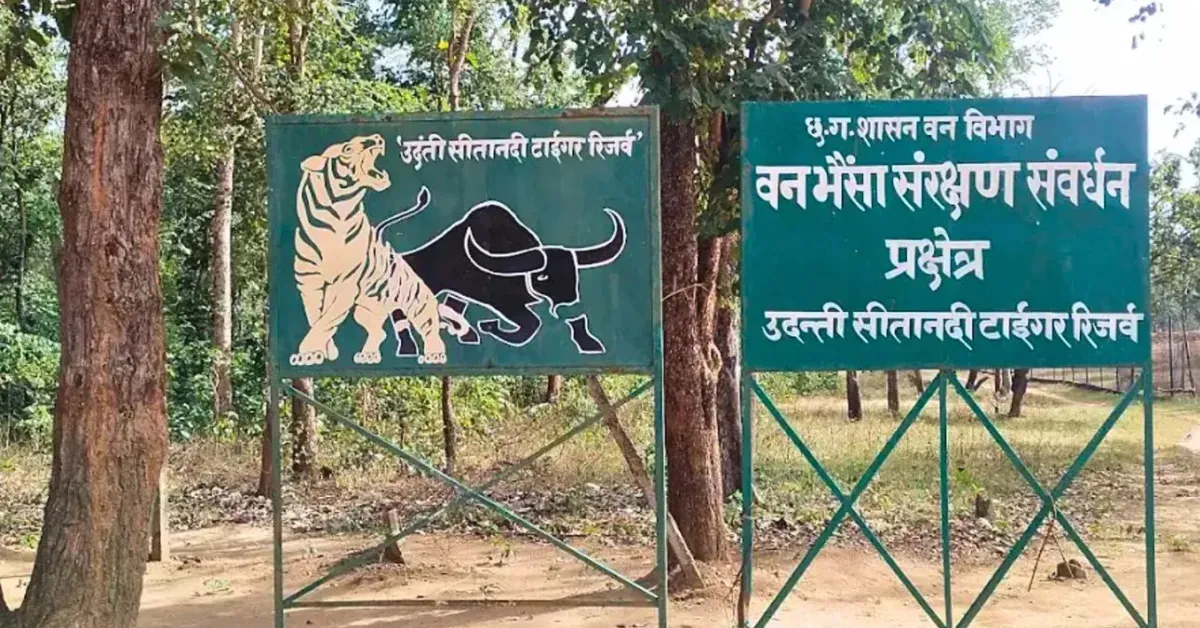
Turns out, if you want to save a tiger, or an Indian skimmer, or even an Indian pangolin, the secret might just be… asking the neighbors. In Chhattisgarh, India, the Udanti-Sitanadi Tiger Reserve (USTR) decided to try something radical: instead of keeping local villagers out of conservation efforts, they brought them in.
And it’s working. Rare species are popping up more often, and the people living near the forest are actually making a steady income doing it. Because apparently, when you make protecting nature profitable, people get really good at protecting nature.
From Outsider to Tour Guide Extraordinaire
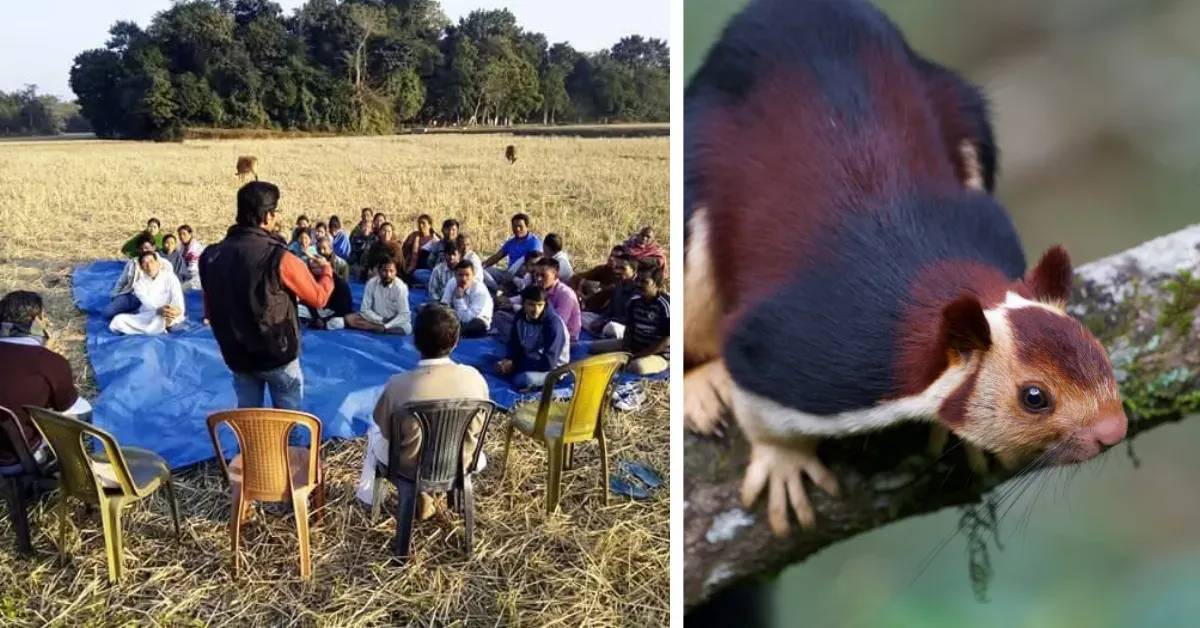
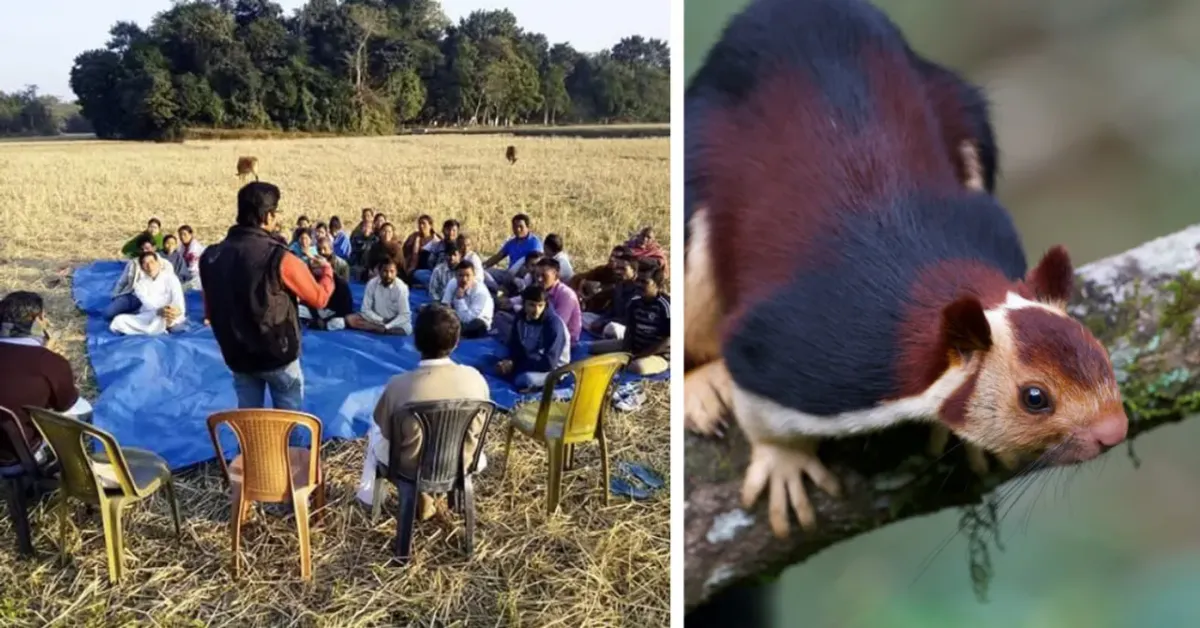
Historically, conservation has a bit of a blind spot when it comes to local communities. But near Raipur, the USTR flipped the script. They started a program training villagers to become “Goodwill Ambassadors.” Think of them as the ultimate local experts, guiding tourists through the forest, sharing their deep knowledge of the wildlife and the ecosystem.
We're a new kind of news feed.
Regular news is designed to drain you. We're a non-profit built to restore you. Every story we publish is scored for impact, progress, and hope.
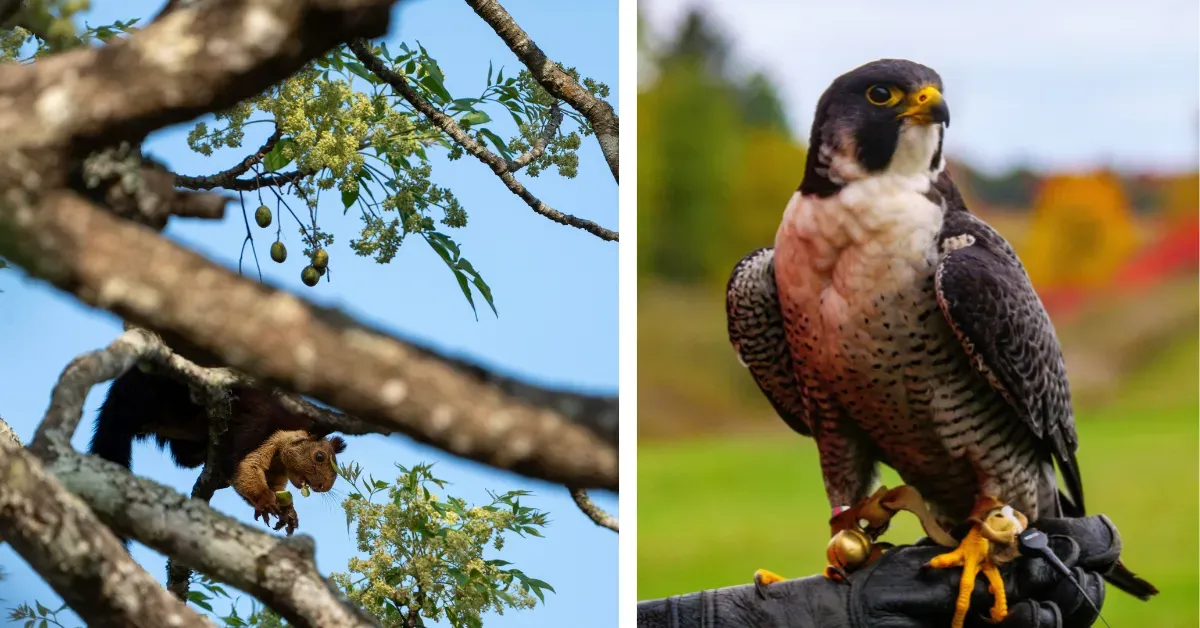
Start Your News DetoxThis isn't just about giving directions. These guides are intimately familiar with the land. Their presence means fewer disturbances, more awareness, and a general vibe check for the forest that says, “Hey, it’s safe to come out now.” And the animals are responding. Species like the elusive Indian skimmer, the adorable Indian giant squirrel, and the critically endangered Indian pangolin are being spotted more frequently.
Which, if you're keeping score, means healthier habitats and a growing sense of security for the wildlife. It also means more tourists, creating a beautiful, self-sustaining loop where eco-tourism fuels conservation, and conservation makes for better eco-tourism.
Turning Nature into a Paycheck
One of the biggest hurdles in wildlife protection is often economic. How do you convince someone to prioritize a bird over their next meal? The USTR’s answer: responsible eco-tourism. Villagers are now earning money through guided tours, hospitality, and other tourism-related gigs.
They're not just relying on traditional, often unpredictable, income sources anymore. Their jobs are literally rooted in protecting their environment. The reserve even has an official website where tourists can book these guides online, formalizing the work and ensuring a steady flow of opportunities.
Specialized tourism spots are also popping up. Take the Indian Skimmer Tourism site at Kulhadighat, which will be run by a local leader and offer activities like kayaking. These efforts are expected to create even more local jobs, which means fewer people needing to leave their homes to find work.
This shift is massive. It takes the pressure off forest resources and provides financial stability for families. More importantly, it transforms the forest from a place of restriction into a shared resource that benefits everyone — two-legged and four-legged alike. It's a pretty compelling argument for letting the people who know the forest best, lead the way.