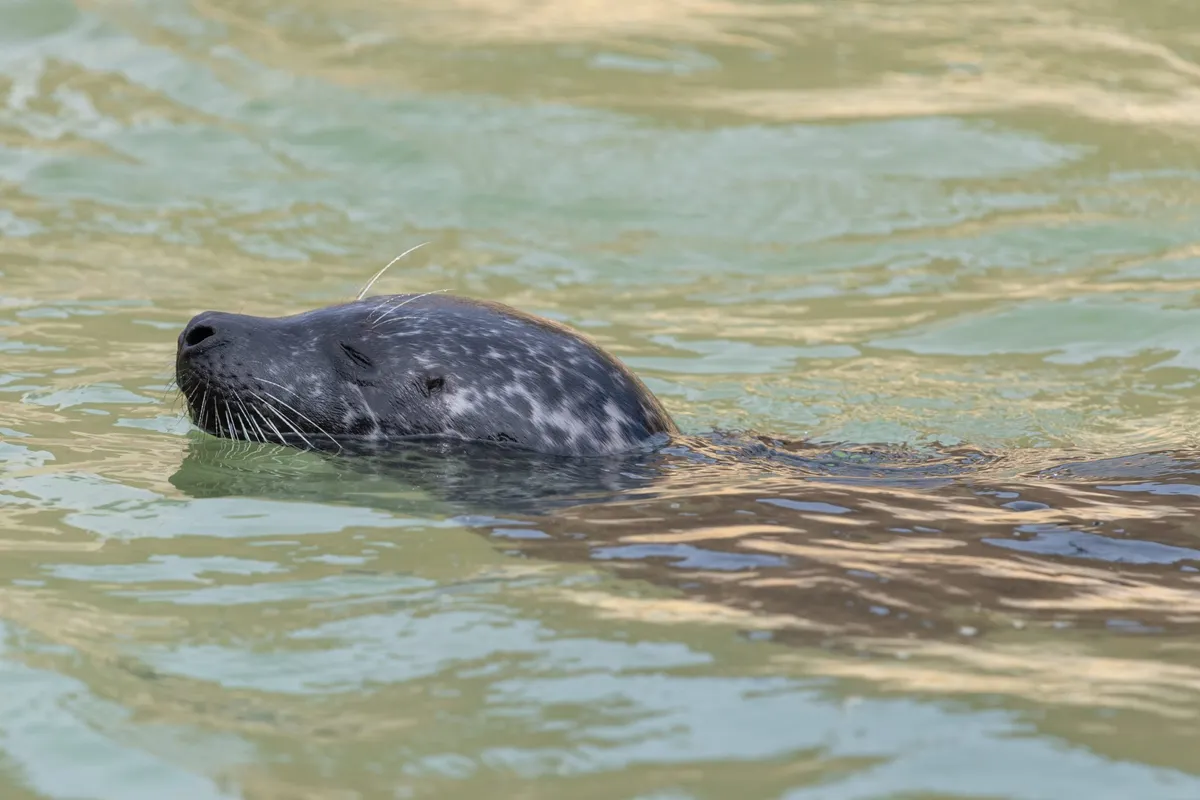
Imagine a fish zipping through the water, leaving an invisible wake. To us, it's nothing. To a harbor seal, it's a neon sign, a detailed map, and probably a dinner invitation. These marine maestros can tell where a fish went, how fast it was moving, and even what species it is, all from a fleeting disturbance in the water.
Turns out, those adorable whiskers aren't just for looking cute. Yvonne Krüger, a biologist from the University of Rostock, explains that seals use roughly 100 sensory hairs on their faces to feel the water movements. It's like having sonar on your face, but for fish farts.
The Great Trout Deception
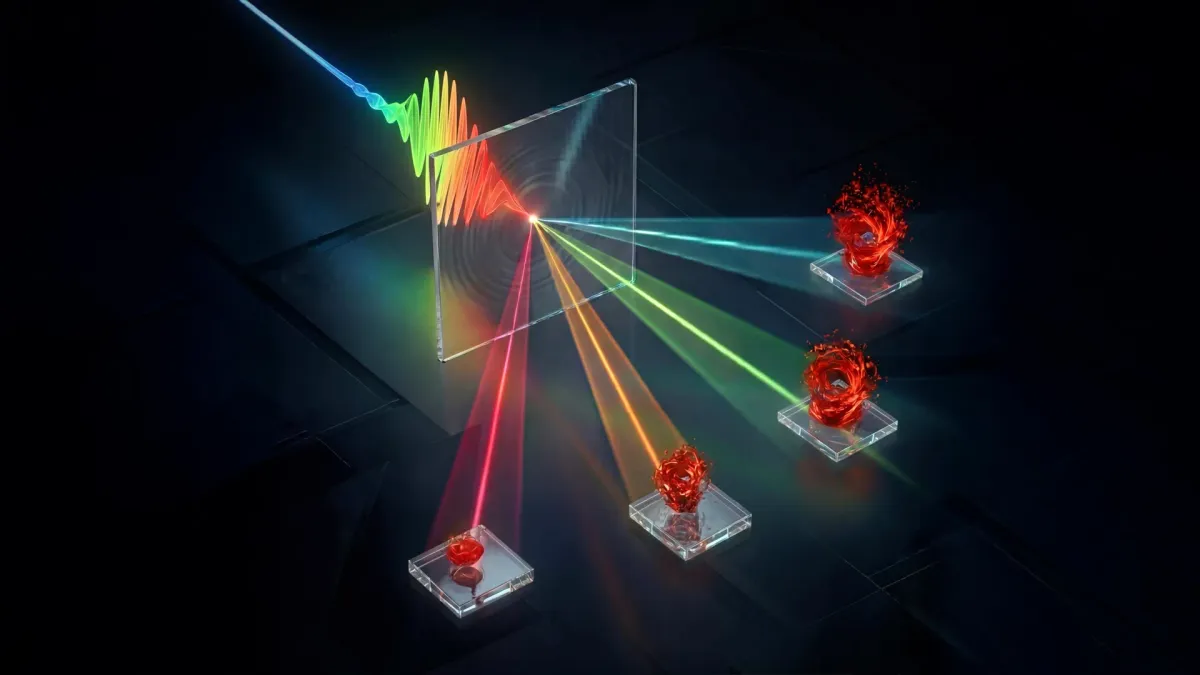
Now, fish aren't entirely defenseless. Take the rainbow trout, a common seal snack. These slippery devils have a clever escape trick: they bend into a C-shape and then, with a flick, dart off in a completely different direction. This creates two swirling water rings, like smoke rings, with only one showing the fish's actual escape route. The other is a decoy, a watery red herring designed to send predators on a wild goose chase.
We're a new kind of news feed.
Regular news is designed to drain you. We're a non-profit built to restore you. Every story we publish is scored for impact, progress, and hope.
Start Your News DetoxKrüger, with a scientist's eye for a good challenge, wondered if a seal could sniff out this aquatic chicanery. Could they tell the real trail from the elaborate fake?
Enter Filou, the "beautiful nerd" of a harbor seal. For nearly two years, Filou was Krüger's dedicated research partner, a seal who apparently enjoys learning but gets a bit miffed by mistakes. (Relatable, Filou, relatable.)

Krüger trained Filou to pick out the larger of two artificial water rings, a task designed to mimic the fish's decoy strategy. This wasn't a quick study. "Patience is key," Krüger notes, which is easy to say when you're not the one waiting two years for a seal to master a trick.
But master it he did. Filou eventually became so adept he could detect differences in water rings smaller than the width of a human thumb – far more precise than he'd ever need in the wild. And just to prove it wasn't some other seal magic, when his whiskers were covered, his superpower vanished. Case closed: it's all in the whiskers.
Whiskers, Robots, and the Future
The findings, published in the Journal of Experimental Biology, confirm that harbor seals possess this incredible ability. They can, as Krüger puts it, "read" a fish's entire travel history without ever laying eyes on it. Night hunting, murky water — doesn't matter. Their vision, it seems, is almost secondary.

Robyn Grant, a sensory biologist not involved in the study, called the research "a really important step," especially for conservation. Extreme weather could mess with these subtle water signals, making life harder for seals. So, understanding their sensory world is more crucial than ever.
But here's where it gets truly wild: this ancient biological trick might just be the blueprint for future tech. The way a seal's whiskers detect tiny water disturbances could inspire new sensors for underwater robots. Imagine robots mapping the seafloor or monitoring marine life, all by feeling the water like Filou does. Millions of years of evolution, now potentially guiding our machines.
Krüger's long, patient work with Filou has cracked open a whole new understanding of the ocean. Turns out, for harbor seals, the sea isn't silent; it's a giant, readable library of fishy tales.