You love your dog. Your dog, presumably, loves you back. But what if you could crank that emotional connection up a notch? Science has a surprisingly simple suggestion: play more. And no, just tossing a tennis ball doesn't quite cut it.
A new study out of Sweden, published in Royal Society Open Science, dove headfirst into the fluffy, wagging world of dog-human bonds. The big takeaway? Extra playtime genuinely strengthens the emotional ties between pups and their people. Which, if you think about it, is both incredibly sweet and slightly obvious.
The Serious Science of Silly Games
While most of us instinctively know playing with our dogs is a good thing, scientists haven't really dug into why it works, especially for adult dogs. Lina Roth, a sensory biologist and co-author, points out that many dogs change homes. When you adopt an adult rescue, you've missed that critical puppy 'socialization window.' Play, it turns out, might just be the ultimate relationship builder for a grown-up dog.
We're a new kind of news feed.
Regular news is designed to drain you. We're a non-profit built to restore you. Every story we publish is scored for impact, progress, and hope.
Start Your News DetoxThe research involved owners filling out detailed surveys about their dogs, covering everything from how often they confided in their furry friend (don't pretend you haven't) to whether dog ownership ever felt like a chore. Then, the human-canine pairs were split into three groups:
- Group one: Played more than usual.
- Group two: Trained more than usual, with treats involved.
- Group three: The control group, because someone has to just keep doing what they're doing.
After a month, the surveys were repeated. The results? A "dream result," according to Roth. The play group saw a significant boost in their emotional bond. The other groups? Not so much.
It took just a few extra minutes of social play each day for a month. Let that satisfying number sink in.
Beyond the Ball Toss
While the study focused on the owner's perspective, the play group also reported their dogs seemed to view them more positively and initiated play more often. Essentially, everyone was happier. And here's the kicker: 'play' in this context wasn't just aimlessly throwing a toy.
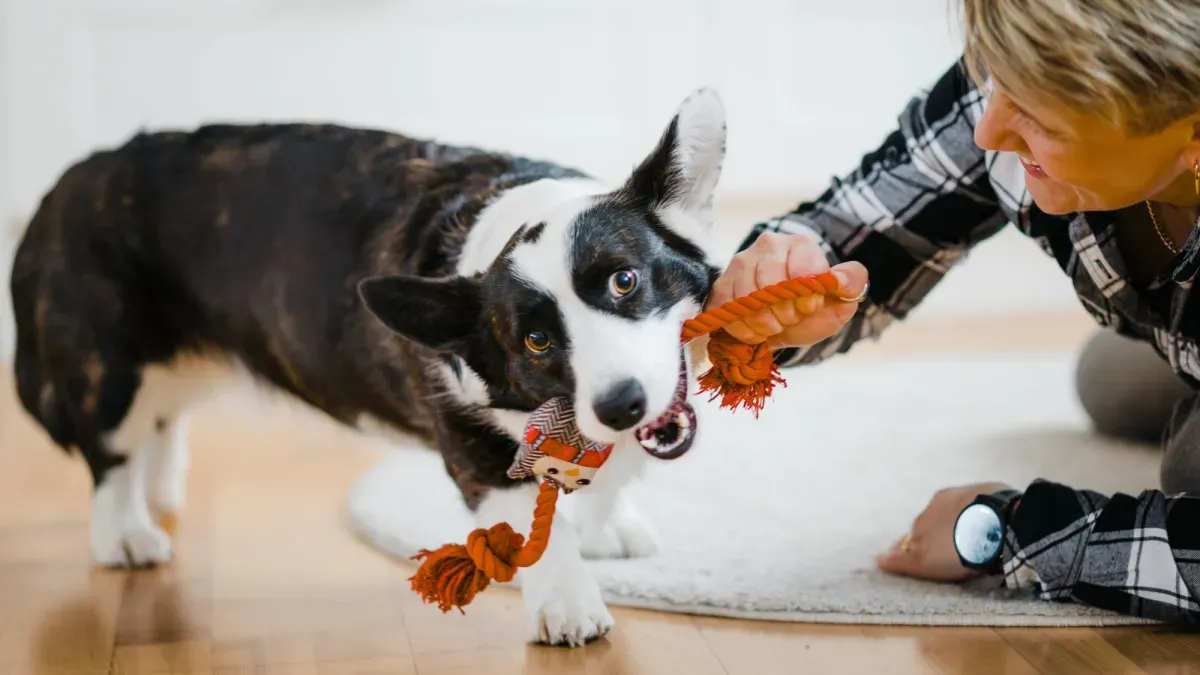
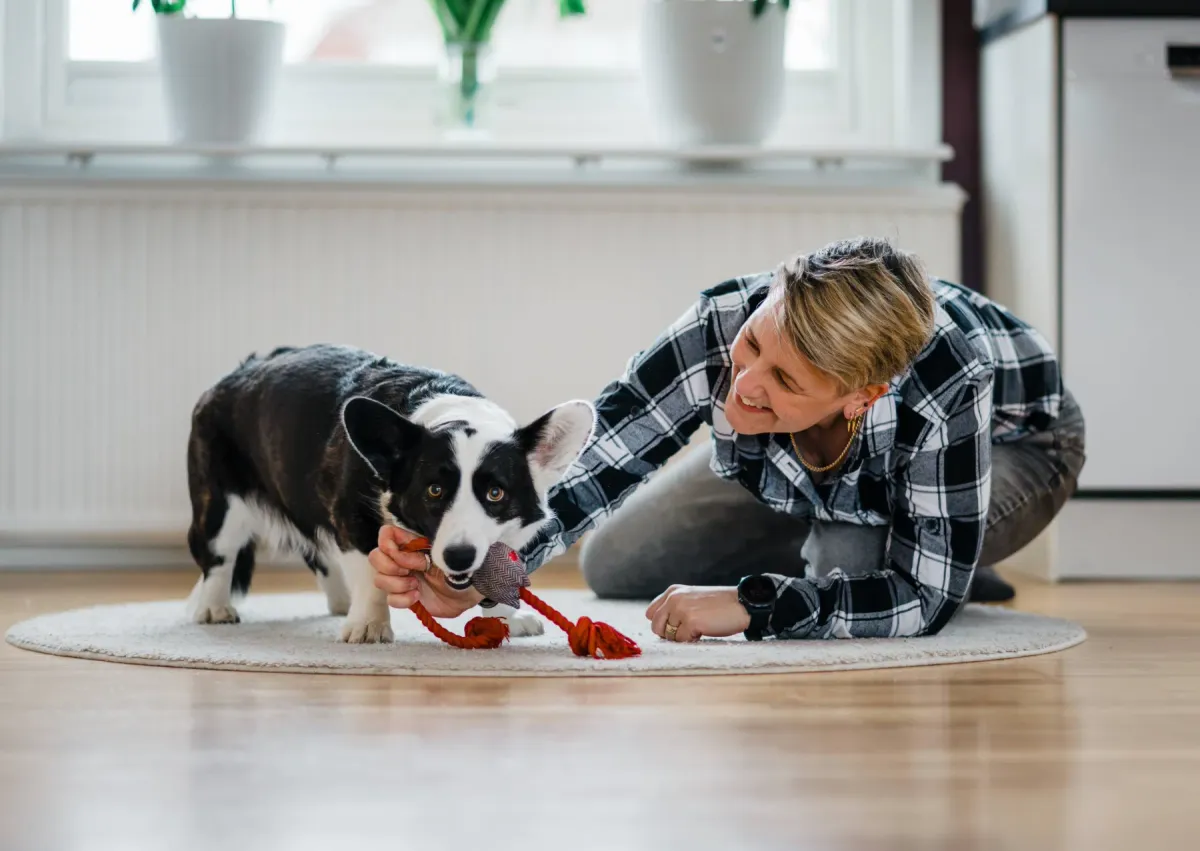
The researchers gave very specific instructions. We're talking interactive games like tug-of-war, good old rough-and-tumble, chase, hide-and-seek, or even peekaboo. The kind of games where you're both actively engaged, not just one of you doing all the work.

The key, Roth emphasizes, is finding what your dog genuinely enjoys. Pay attention to their cues. A few minutes here and there, focused on real interaction, can make a huge difference. So go ahead, get silly. Your dog — and your bond — will thank you for it.