This week, it seems the universe decided to show us a few more of its cards. From the truly infinitesimal to the absolutely massive, new technologies and persistent human effort are peeling back layers of the unknown, revealing both hidden truths and promising pathways forward.
Peeking Behind the Curtain of Reality
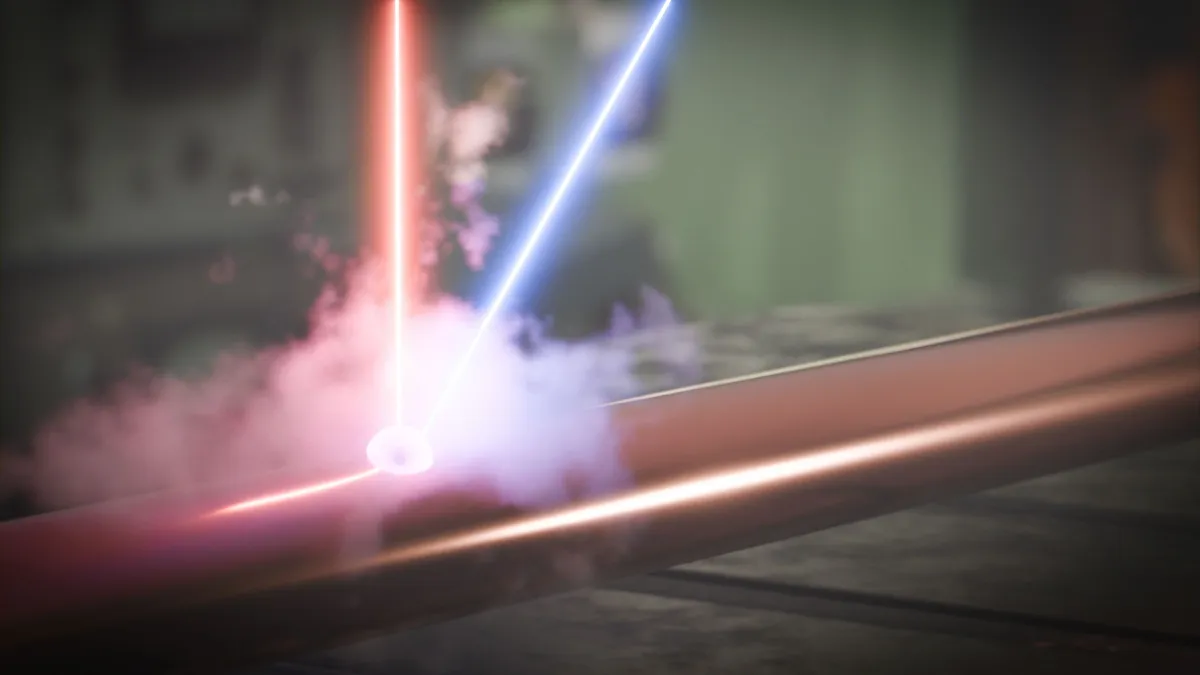
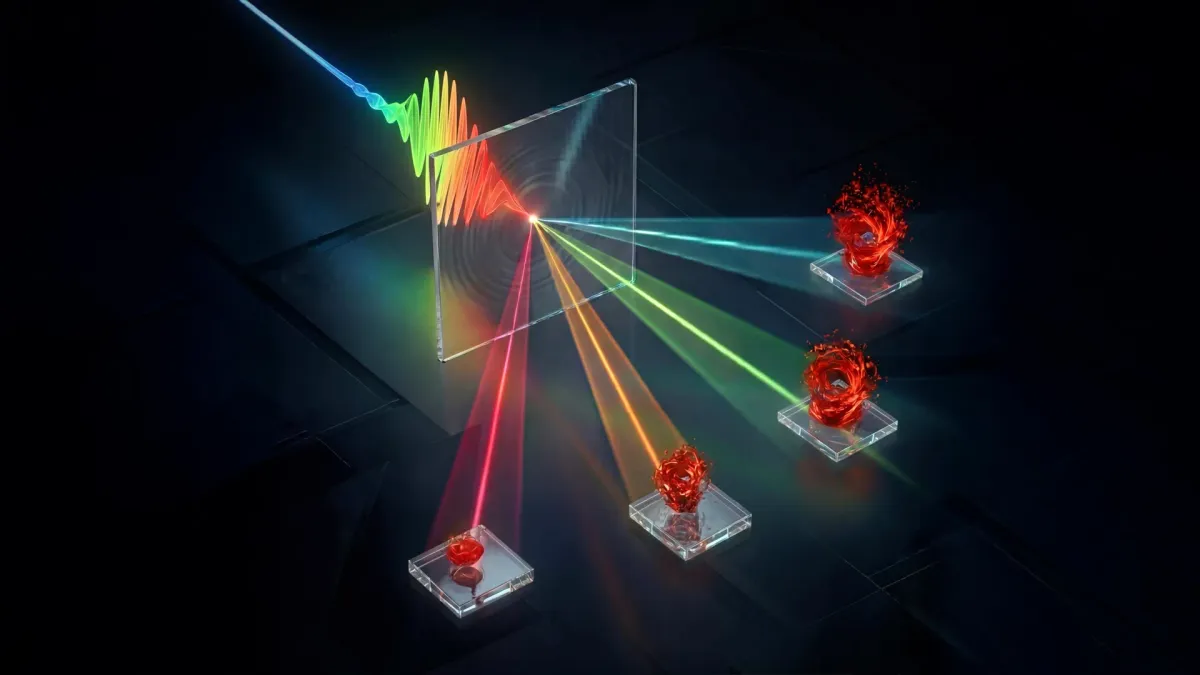
Sometimes, the biggest breakthroughs aren't about building something new, but about seeing something old with fresh eyes. This week, science delivered a double punch of clarity. First, a team of scientists unveiled a new camera that shoots a trillion frames per second, capable of revealing structural changes in materials that were previously invisible. Think of it as the ultimate slow-motion replay for physics. Not to be outdone, another group used ultrafast lasers to catch atoms undressing in a trillionth of a second, tracking plasma formation with picosecond precision. These aren't just parlor tricks; they're fundamental tools allowing us to understand the very building blocks of matter. This means we're gaining unprecedented insight into the processes that govern everything from fusion energy to new material development. If you've ever felt like the world was moving too fast, this week proved we're learning to slow it down just enough to understand it.
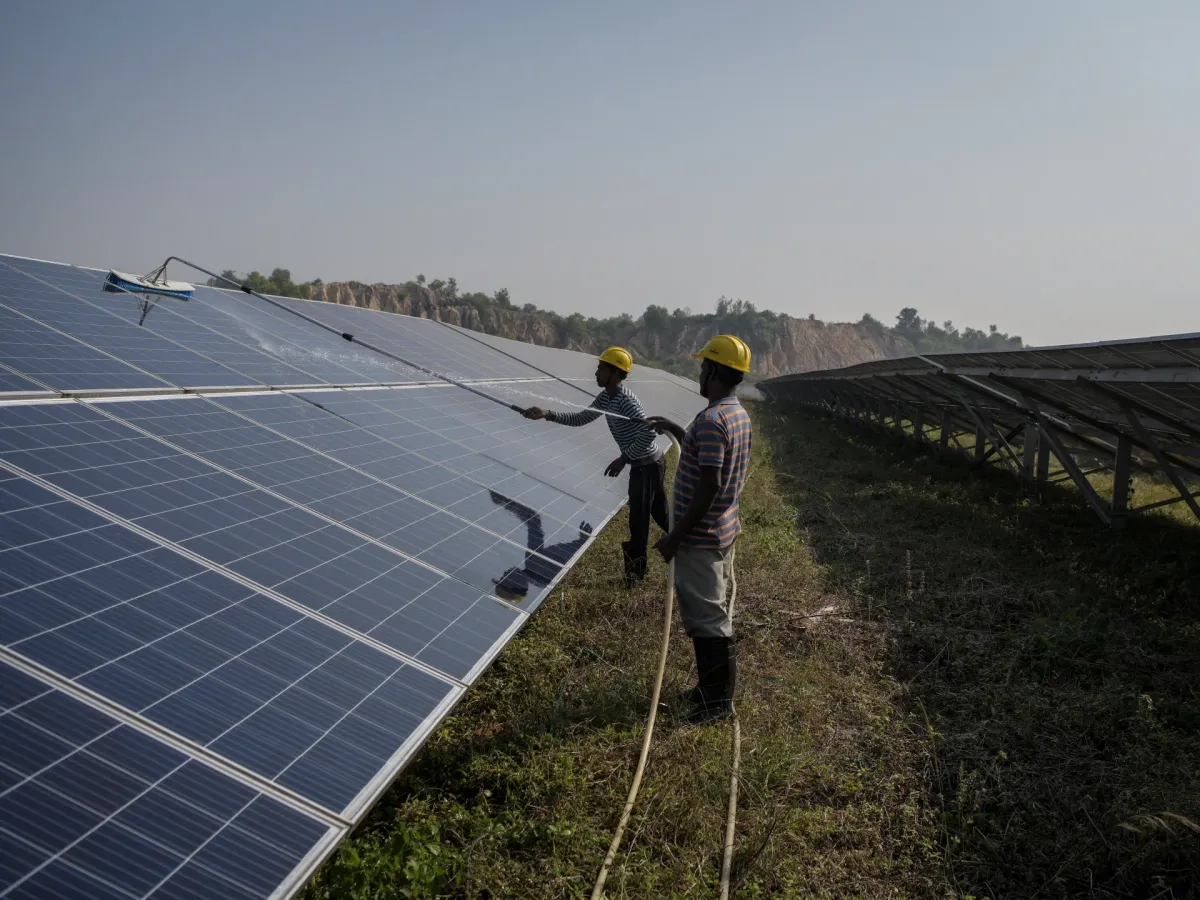
"Low-emissions energy sources met all new global electricity demand for the first time last year, leaving no room for fossil fuels to grow." — Read the full story
Wait—What is Brightcast?We're a new kind of news feed.
Regular news is designed to drain you. We're a non-profit built to restore you. Every story we publish is scored for impact, progress, and hope.
Start Your News Detox
The Planet's Quiet Comeback
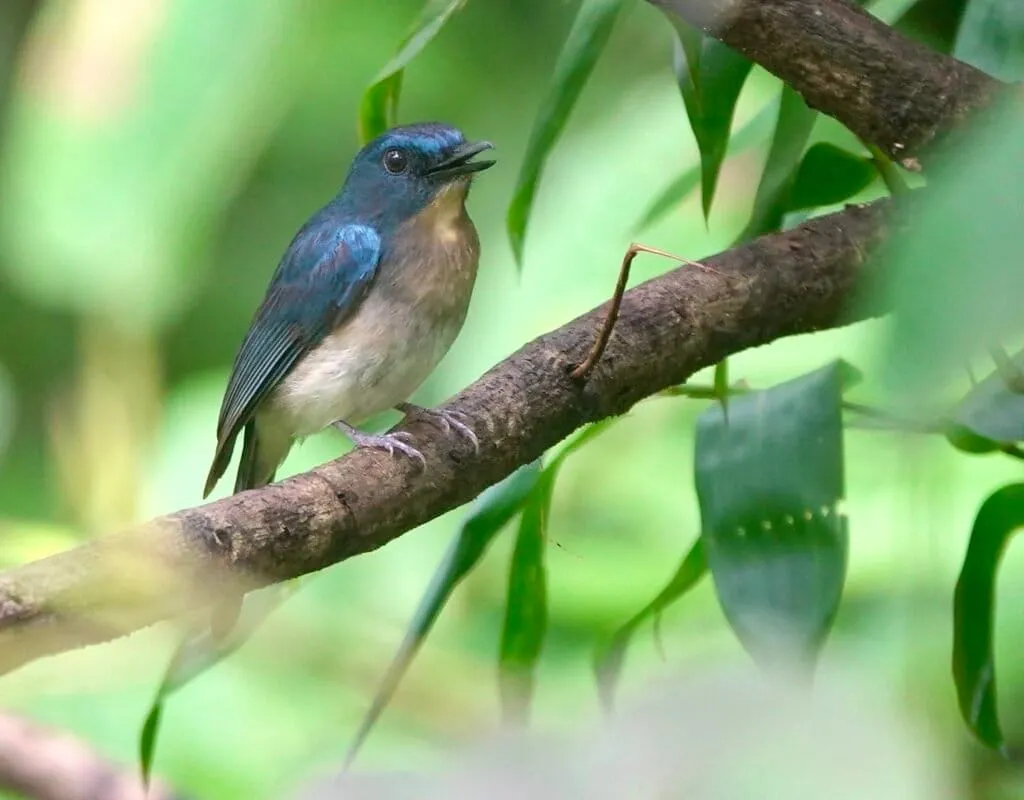
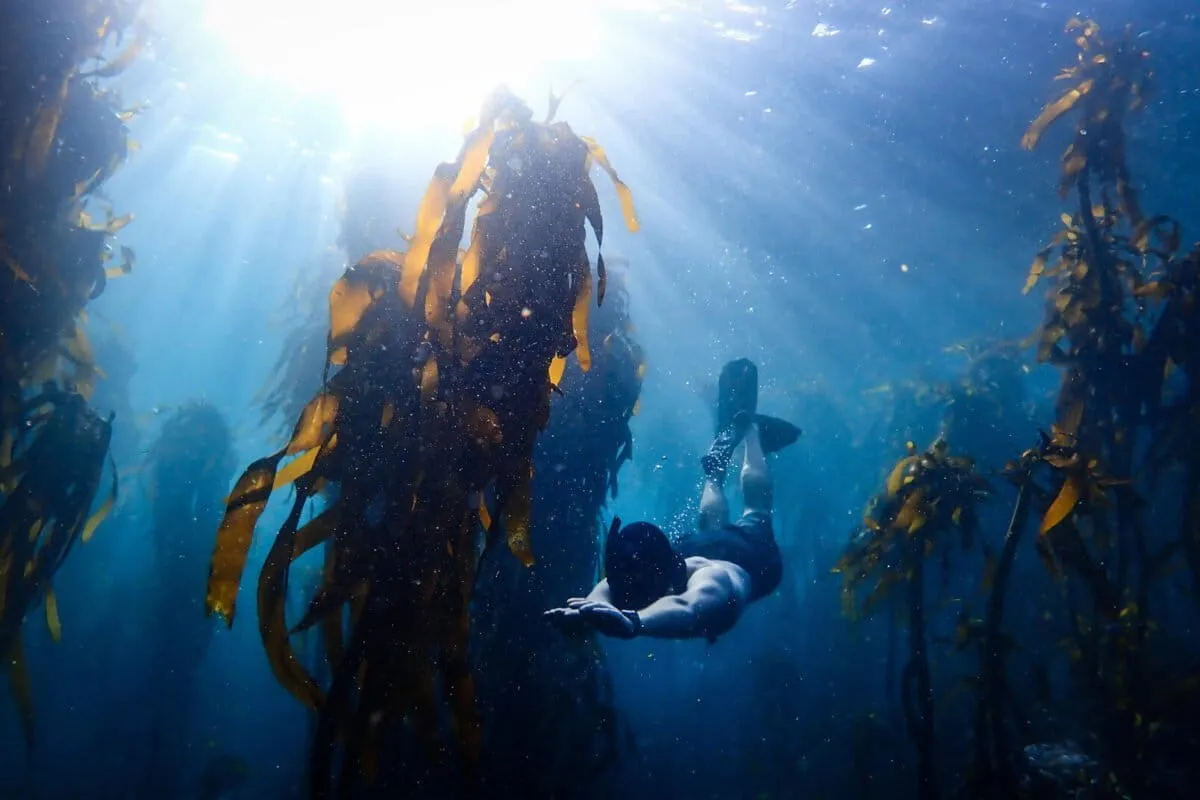
While we're busy looking at atoms, the planet has been busy, too. And for once, the news is genuinely good. For the first time ever, clean energy just met all new global demand. Solar alone accounted for three-quarters of that growth, effectively telling fossil fuels to take a seat. This isn't just a trend; it's a tipping point. Meanwhile, in the natural world, dedicated efforts are paying off. Birdwatchers, those unsung heroes of biodiversity, just found five 'lost' species, including one that had been missing for two decades. And off the coast of South Africa, a thriving underwater forest is expanding, its towering kelp stipes creating a surreal, vibrant ecosystem. It seems that when we give nature a chance, it grabs it with both hands. If you've been looking for evidence that the transition to a greener world isn't just possible, but actively happening, this week just handed you a pile of receipts.
Humanity's Unstoppable Curiosity (and Compassion)
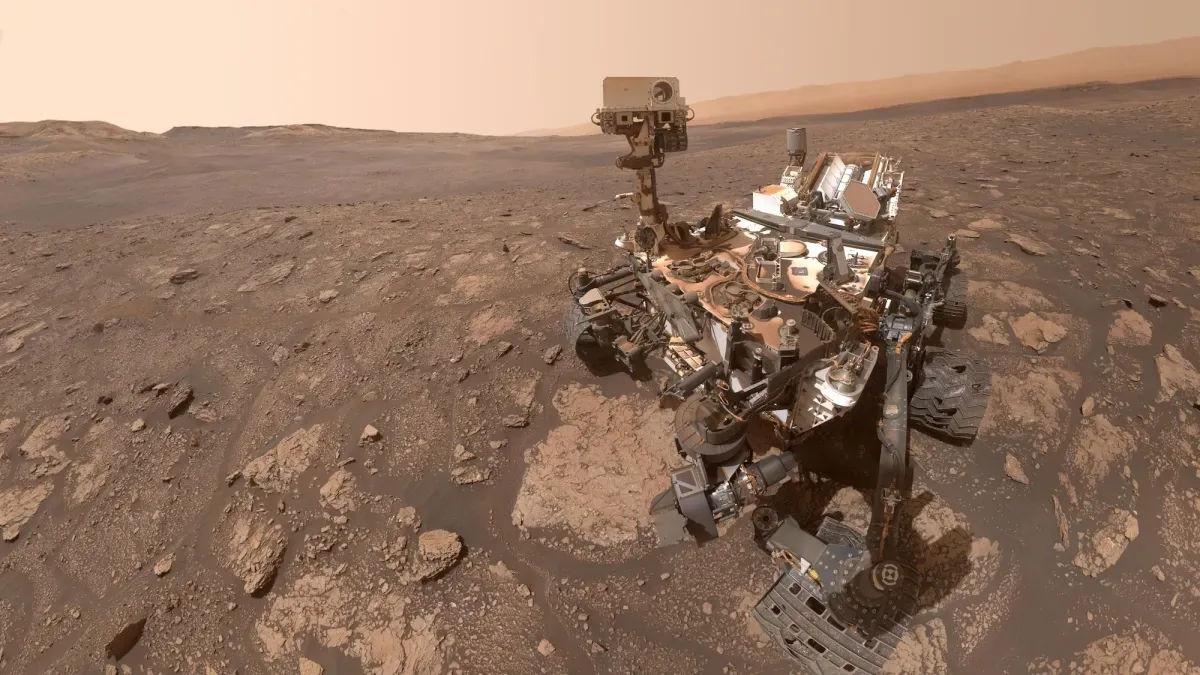
Even as we tackle planetary-scale problems, our fundamental drive to explore and improve remains undimmed. On Mars, the Curiosity Rover just found the building blocks of life, hinting that our nearest planetary neighbor might once have been a much livelier place than we previously imagined. Back on Earth, the UK Parliament just made sure Gen Z will never buy cigarettes through landmark legislation aimed at creating a smoke-free generation. And in a heartwarming example of honoring our non-human helpers, the world just got its first statue of a landmine-sniffing rat, honoring Magawa, who cleared 35 acres of land in Cambodia. These stories, spanning from the cosmic to the deeply personal, remind us that the pursuit of knowledge and the extension of compassion are truly global endeavors. If you've been feeling like progress is slow, remember that sometimes it's the quiet, persistent work that changes everything.
Hope stat: 5 — the number of "lost" bird species rediscovered this year, reducing the global "Lost Birds List" to 120.
Watch this space: The continued advancements in ultra-fast imaging promise to unlock secrets in material science and medicine that we can barely imagine right now.