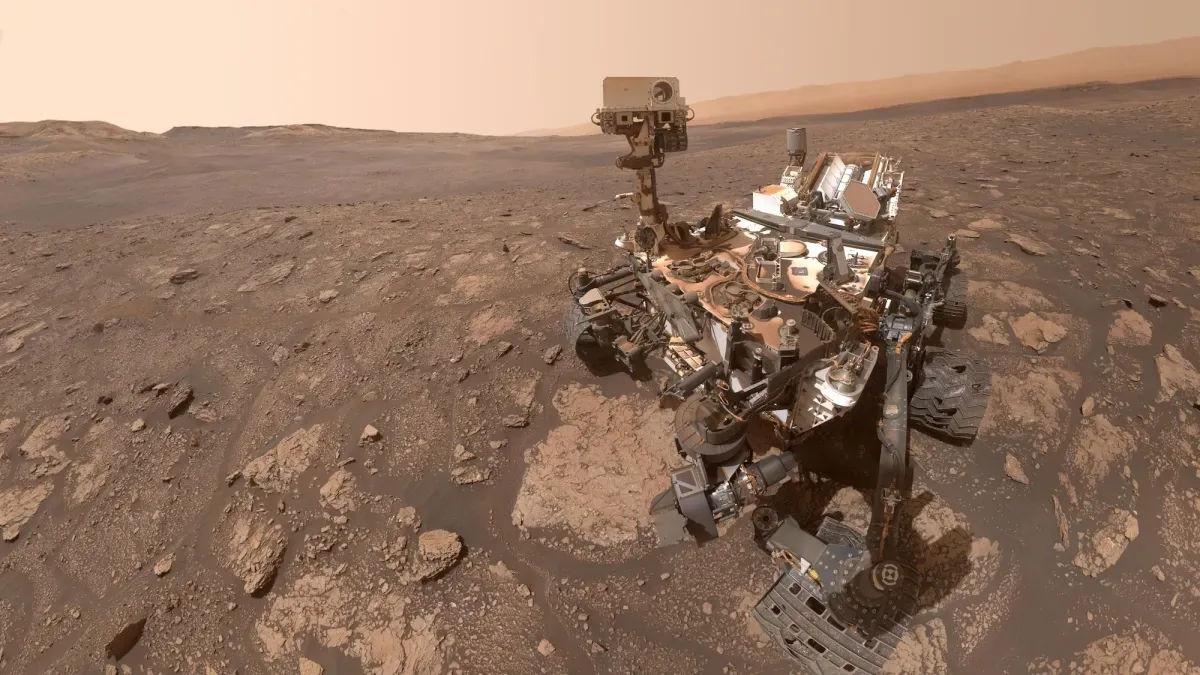
Turns out, Mars might still be holding onto some secrets. NASA's Curiosity rover, which has been trundling around the Red Planet since 2012, just sniffed out a treasure trove of ancient organic molecules. And these aren't just any old molecules; they're the kind that are absolutely essential for, you know, life.
While no one's breaking out the champagne for alien microbes just yet, this is a pretty significant step. A team of astrobiologists, reporting in Nature Communications, basically just said, "Hey, we might actually find E.T. after all."
Digging for Answers
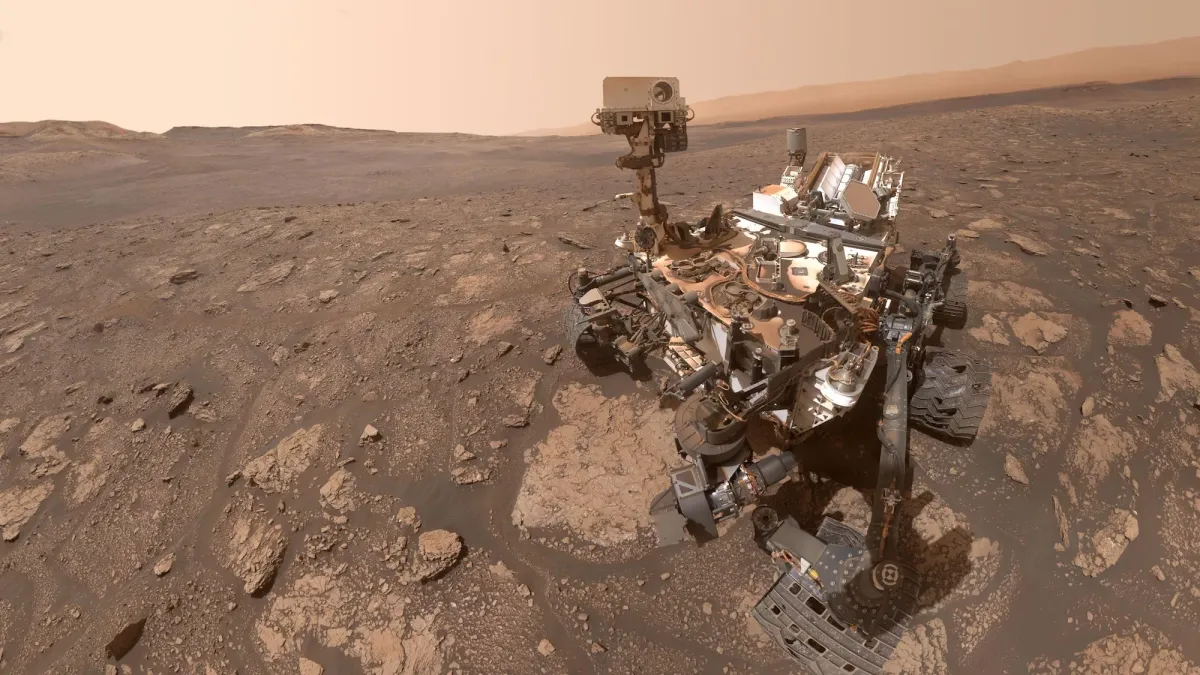
Curiosity's super-fancy Sample Analysis on Mars (SAM) instrument got to work in 2020. Its mission? To scoop up some clay minerals from a spot called Glen Torridon inside the Gale crater. This particular locale is basically Mars's old swimming hole, showing strong signs it once held water.
We're a new kind of news feed.
Regular news is designed to drain you. We're a non-profit built to restore you. Every story we publish is scored for impact, progress, and hope.
Start Your News DetoxAfter a bit of cosmic chemistry, SAM found over 20 crucial chemicals. Among them? The first nitrogen-containing molecule that looks suspiciously like early DNA. Because apparently, Mars is just out here casually dropping hints about the origins of life. The rover also found benzothiophene, a sulfur compound that often hitches a ride on meteorites.
As Curiosity geological scientist and co-author Amy Williams pointed out, the same meteorites that peppered Mars also landed on Earth. So, it's not a huge leap to think these might have provided the original building blocks for our planet's life, too. Which, if you think about it, is both impressive and slightly terrifying.

What This Means for the Search
Williams confirmed that big, complex organic molecules can, in fact, survive for eons in Mars's shallow subsurface. Now, whether these particular compounds came from past Martian life, a random meteorite, or some geological shenanigans, we won't know until we get a closer look. But still, they’re basically breadcrumbs leading to potential ancient organisms.
Finding well-preserved ancient organic matter is incredibly useful for figuring out if an environment was ever habitable. Williams put it plainly: if we're going to find signs of life in preserved organic carbon, this shows it's entirely possible.
Curiosity was the first to pull off this kind of chemical analysis on another planet. And good news for anyone who enjoys a bit of cosmic detective work: similar experiments are already planned for the Rosalind Franklin mission to Mars and the Dragonfly mission to Saturn's moon, Titan. Get your popcorn ready.