Imagine spending three years sifting through the nooks and crannies of Cambodian limestone hills, only to find something smaller than a pinhead that's never been seen before. That's the dedicated, slightly absurd, and utterly fascinating world of snail discovery.
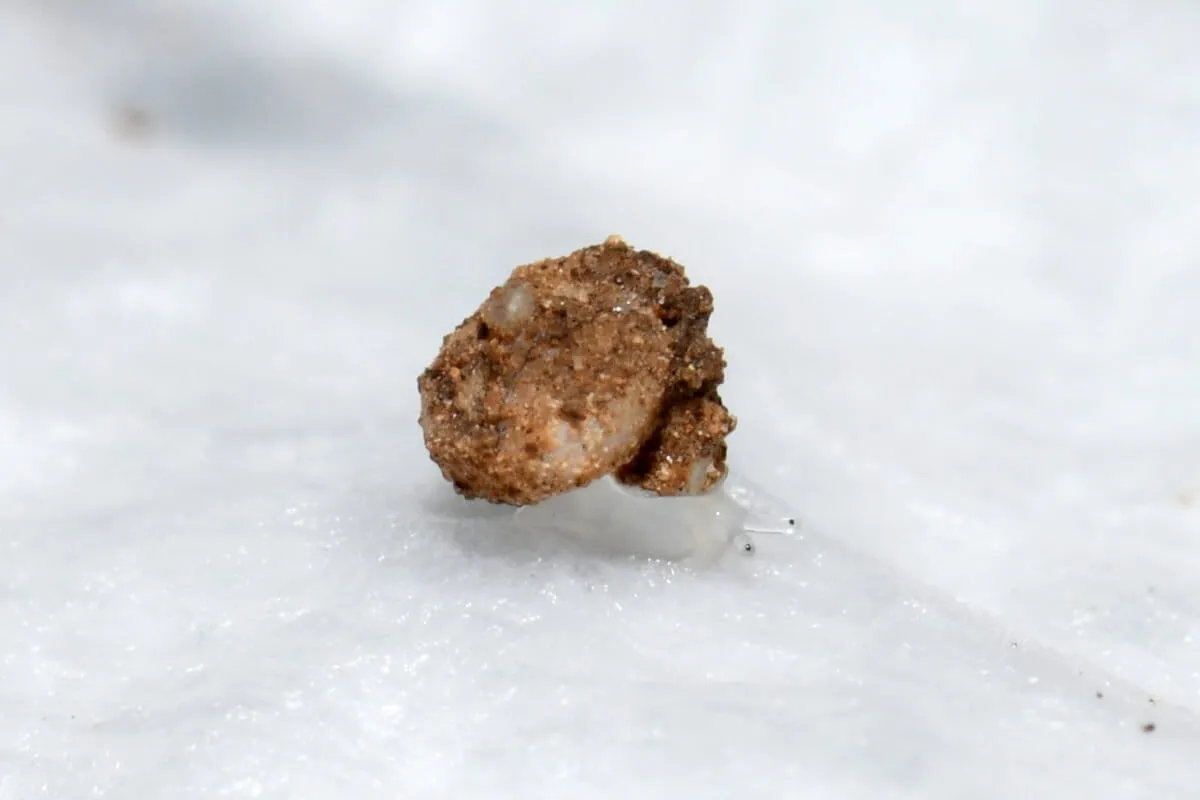
Meet Clostophis udayaditinus, a newly identified microsnail from a cave on Banan Hill in Cambodia's Battambang province. It’s less than two millimeters wide and long, which, for context, is about the size of the pointy end of a sewing pin. Good luck finding that in your carpet.

Its name, however, is far from tiny. Udayaditinus pays homage to King Udayadityavarman II, an 11th-century Angkor-era monarch who commissioned the Banan temple. So, a creature you could easily lose in your pocket shares a name with ancient royalty. Because apparently, that's where we are now.
We're a new kind of news feed.
Regular news is designed to drain you. We're a non-profit built to restore you. Every story we publish is scored for impact, progress, and hope.
Start Your News DetoxThe Bling on the Shell
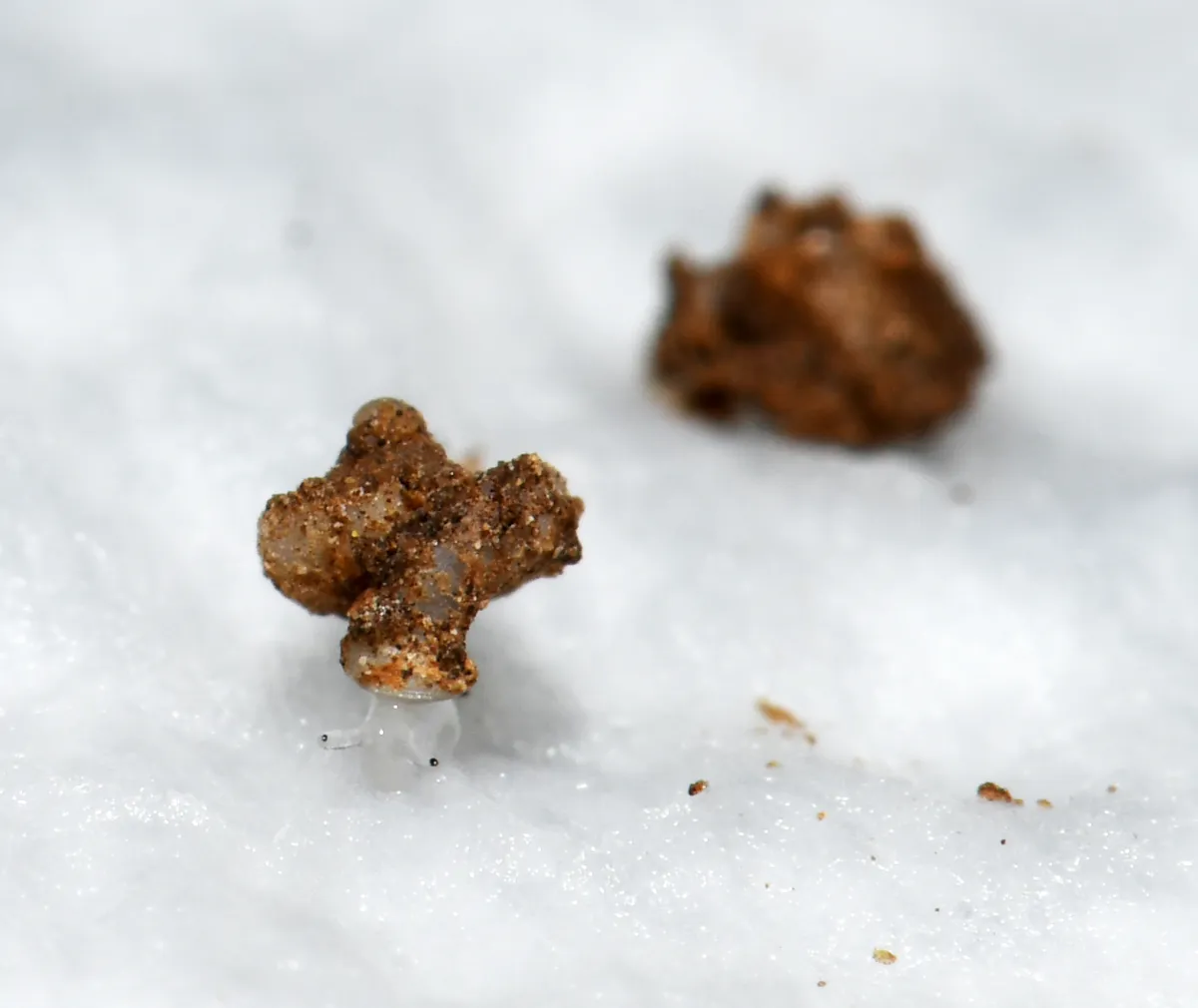
Scientists, who apparently have better eyesight than the rest of us, collected 28 of these minuscule mollusks by hand. They’re mostly colorless, save for some dramatic dark eye spots on their upper tentacles. Their shells are a pale white, but here’s where it gets interesting: these snails frequently adorn their shells with star-shaped patterns of soil and dirt.
Why the bling? Researchers suspect it’s either a fancy way to stay hydrated in their cave home or, perhaps, a surprisingly effective form of camouflage. Either way, it’s a tiny fashion statement you can’t help but admire.
C. udayaditinus was just one of eleven new species uncovered during a three-year deep dive into northern Cambodia's karst hills. These unique limestone landscapes are basically biological goldmines, each isolated area acting as its own evolutionary playground. Among the other finds: another microsnail (because why not?), a pit viper, and several new gecko species. It just goes to show, sometimes the biggest discoveries come in the smallest, most unassuming packages.