For a long time, scientists thought that learning to link two events, like a sound and a reaction, needed a brain or nerves. But a new study suggests this might not be true. A tiny, single-celled creature living in ponds, with no brain at all, seems to be able to learn.
This research, which has not yet been reviewed by other scientists, shows that even organisms without a brain or nervous system can learn. Samuel Gershman, a cognitive neuroscientist at Harvard University, said he was surprised by the findings. He noted there was no clear proof of this type of learning in such organisms before.
How a Brainless Blob Learns
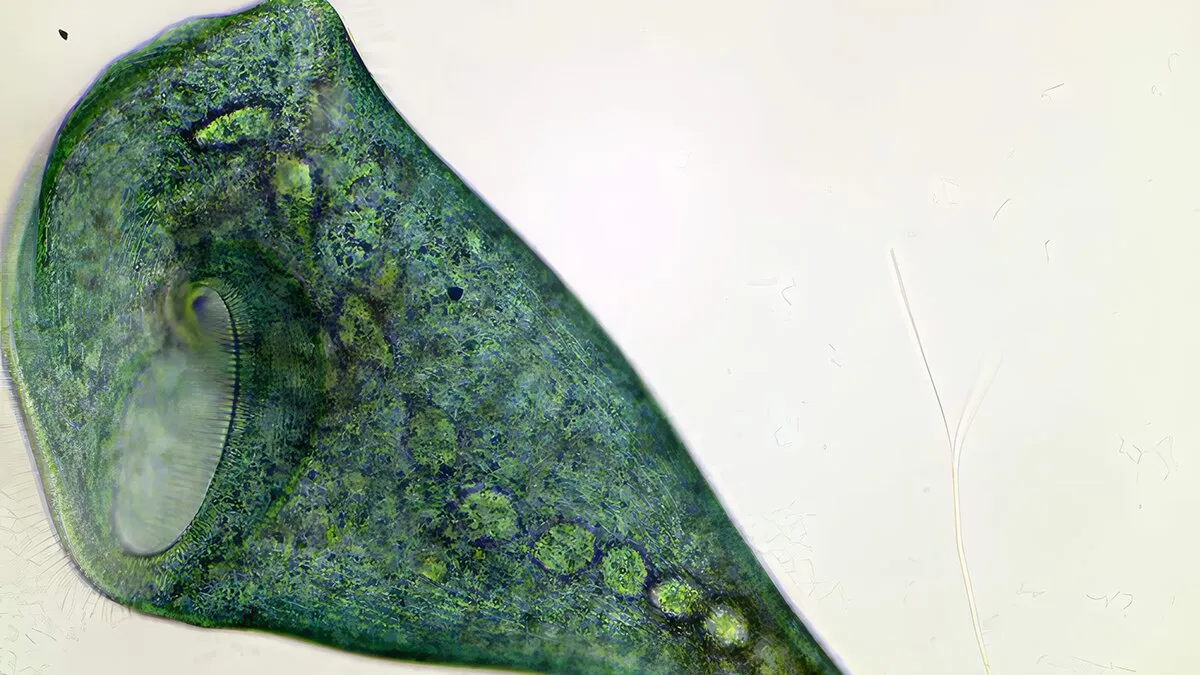
The creature in question is Stentor coeruleus. It's a trumpet-shaped protozoan, about one millimeter long. It uses a "holdfast" to stick to surfaces in a pond. Its other end has tiny hairs called cilia that help it filter food. If it senses danger, like a predator, it shrinks into a ball shape.
We're a new kind of news feed.
Regular news is designed to drain you. We're a non-profit built to restore you. Every story we publish is scored for impact, progress, and hope.
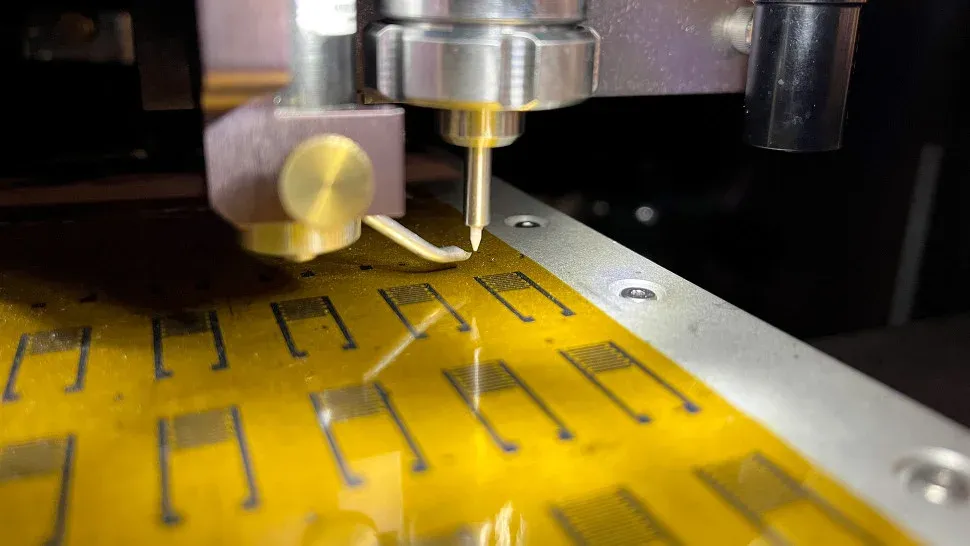
Start Your News DetoxGershman and his team studied how S. coeruleus learns. They put cells in petri dishes and then used a special device to tap the dishes. At first, most cells would contract when tapped. But after many taps, fewer cells reacted. This showed the cells got used to the taps and no longer saw them as a threat.
Next, the researchers tried a "pairing protocol." They gave the cells a weak tap, which caused a small contraction. One second later, they gave a strong tap. This pair of taps was repeated every 45 seconds. After 10 such pairings, the cells started contracting immediately after only the weak tap. This reaction then slowly decreased with more trials. Gershman explained this suggests individual cells can use complex learning methods.
Rethinking Learning's Origins
These findings could change how we understand the history of learning. It suggests that advanced learning might be very old, possibly even older than complex nervous systems. Gershman wondered if associative learning first appeared in multi-celled organisms with brains. He now thinks maybe not.
He concluded that the similarities between these single cells and the neurons in our brains hint that our brains might still use some of the same learning methods that first developed in single cells.
Deep Dive & References: Associative learning in a single-celled organism - BioRxiv