For centuries, art historians have played detective, trying to figure out who painted what, especially when it comes to old masters and their busy workshops. Now, a team from Case Western Reserve University in Cleveland has brought in a new partner in crime-solving: an AI that just took a brush to a 17th-century El Greco altarpiece and changed its story.
This isn't your average art appraiser. This is PATCH (Pairwise Assignment Training for Classifying Heterogeneity), a machine-learning program built by a multidisciplinary squad of physicists, computer scientists, art historians, and anthropologists. Because apparently, that's what it takes to get to the bottom of who actually held the paintbrush.
The AI's Tiny, Terrifyingly Accurate Vision
Here's how PATCH works its magic: It dissects paintings into tiny 1-centimeter-square sections, or "patches." Then, it compares the brushwork and paint texture in these patches from works known to be by a single artist. Think of it as a microscopic fingerprint analysis for paint strokes.
We're a new kind of news feed.
Regular news is designed to drain you. We're a non-profit built to restore you. Every story we publish is scored for impact, progress, and hope.
Start Your News DetoxIt then applies this hyper-focused scrutiny to artworks with murkier origins, looking for consistency. Was it one hand, many hands, or perhaps a completely different hand altogether? PATCH aims to tell us.
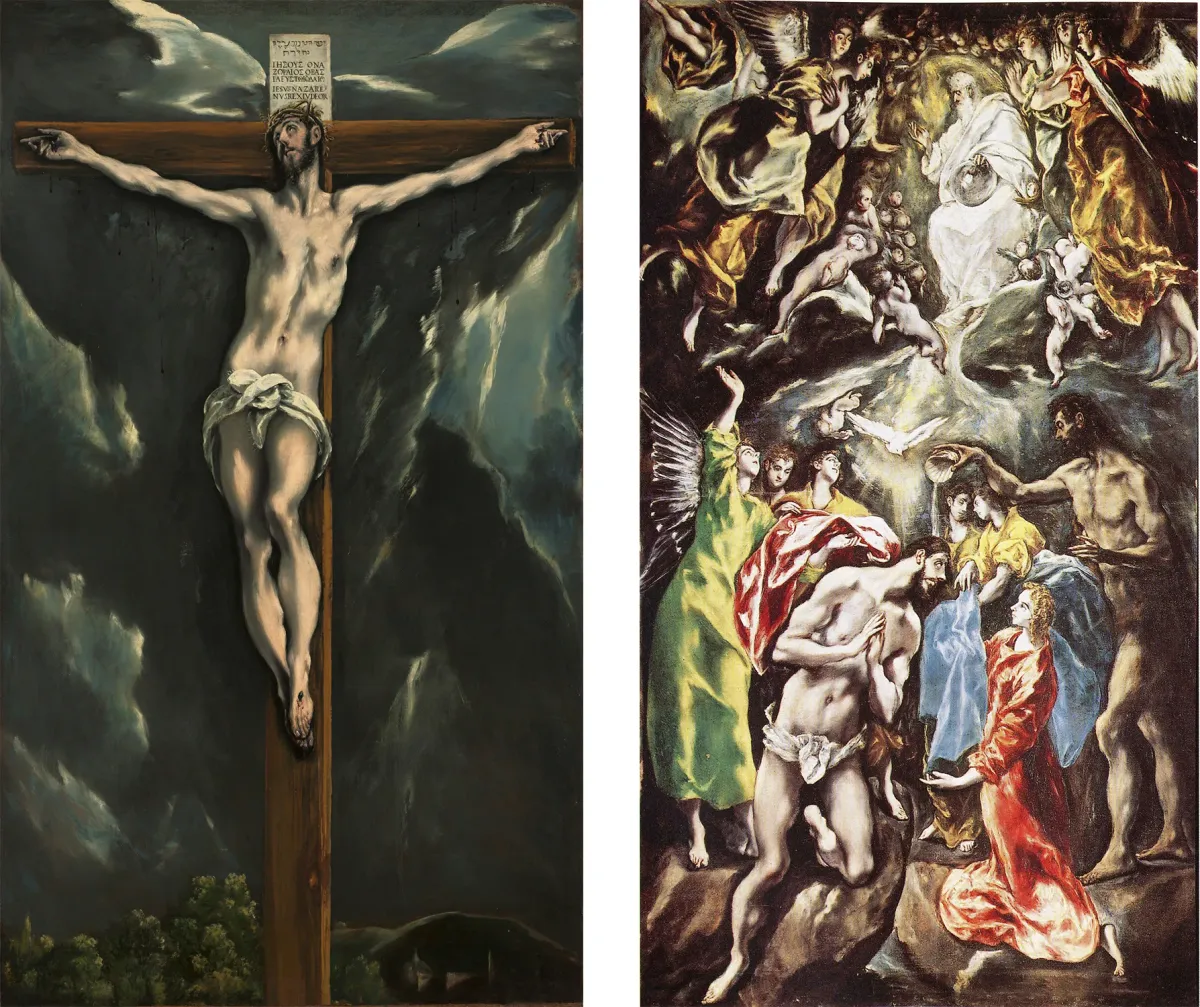
Its first big case? The Baptism of Christ, a monumental altarpiece by the Spanish Renaissance giant El Greco. For ages, the consensus was that El Greco started it, then his son and apprentices finished it after the master's death. A true workshop effort, as was common back then.
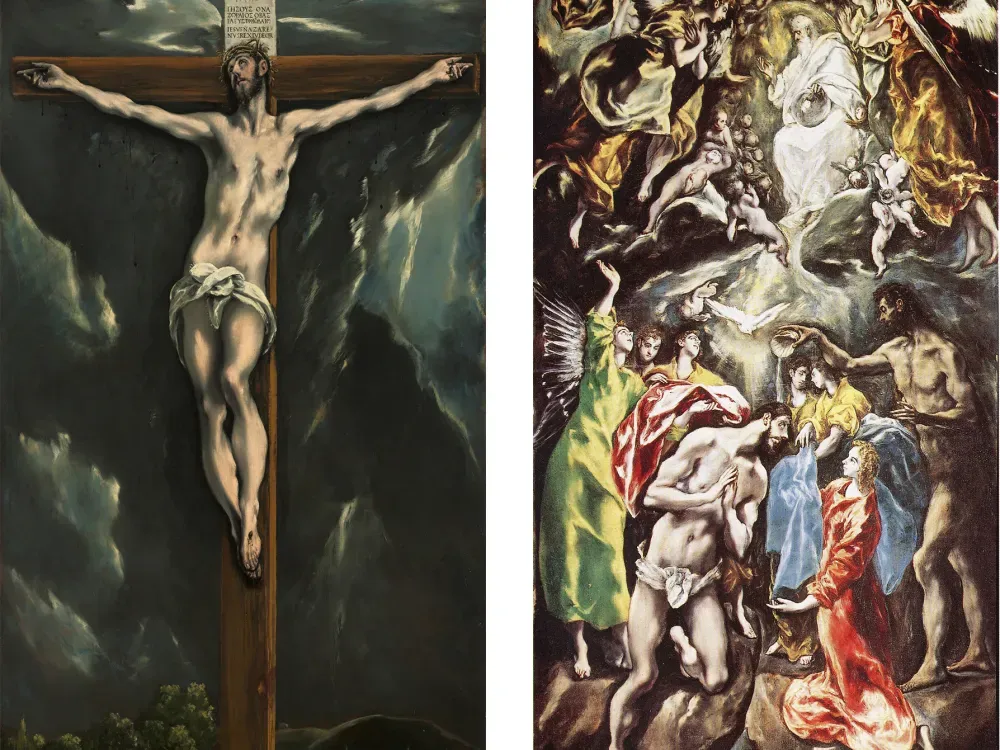
Enter PATCH. The researchers fed the AI scanned areas of The Baptism of Christ, alongside Christ on the Cross, a work universally attributed solely to El Greco. The results? PATCH strongly suggests that El Greco himself painted the vast majority of The Baptism of Christ, with little to no evidence of his workshop's touch.
So, after centuries of expert opinion, a piece of software just walked in and said, "Actually, the old man did it himself." The researchers are quick to point out that PATCH is a tool, not the final word. But it's a tool that just made a substantial contribution to a very old, very famous conversation. Which, if you think about it, is both impressive and slightly terrifying.