Ever feel like time flies when you're having fun, then crawls when you're in a meeting? Turns out, that might be less of a feeling and more of a cosmic truth. A new theory from a trio of research institutions suggests that time itself can exist in a quantum superposition, meaning it could tick both fast and slow at the exact same moment.
Because apparently that's where we are now. Our phones have legs, and time is having an existential crisis.
This isn't just a fun thought experiment. It highlights how quantum tech is peeling back the curtain on some of physics' biggest head-scratchers. We rely on time for everything from scheduling lunch to pinpointing our exact location via GPS, yet our grasp on its fundamental nature is, let's just say, a little shaky.
We're a new kind of news feed.
Regular news is designed to drain you. We're a non-profit built to restore you. Every story we publish is scored for impact, progress, and hope.
Start Your News DetoxWhen Time Gets Weird
Einstein famously showed us that time isn't some universal constant; its flow bends and warps depending on motion and gravity. Every clock, he argued, has its own personal time stream. For example, if you had a clock moving at a brisk 10 meters per second for 57 million years, it would eventually lag behind a stationary clock by one whole second. Which, if you think about it, is both impressive and slightly terrifying.
This is the "twin paradox" in action, where one twin zips around in space and comes back younger than their stay-at-home sibling. But add quantum mechanics to the mix, and things get delightfully bizarre. If a clock's motion can be in a quantum superposition (meaning it's in multiple states at once), then the passage of time it experiences can also be in superposition.
Think Schrödinger's cat, that poor feline who's both alive and dead until you peek. In this new theory, the clock isn't just ticking; it's simultaneously young and old. Igor Pikovski, a professor at Stevens Institute of Technology, notes that quantum theory and relativity treat time very differently. Combining them, he says, reveals hidden quantum aspects of time that classical physics simply can't fathom.
The Ticking Paradox
Pikovski first floated this quantum time idea over a decade ago, but proving it was a monumental task. Now, thanks to increasingly sensitive atomic clocks and other quantum advancements, researchers believe we're on the cusp of demonstrating it experimentally.
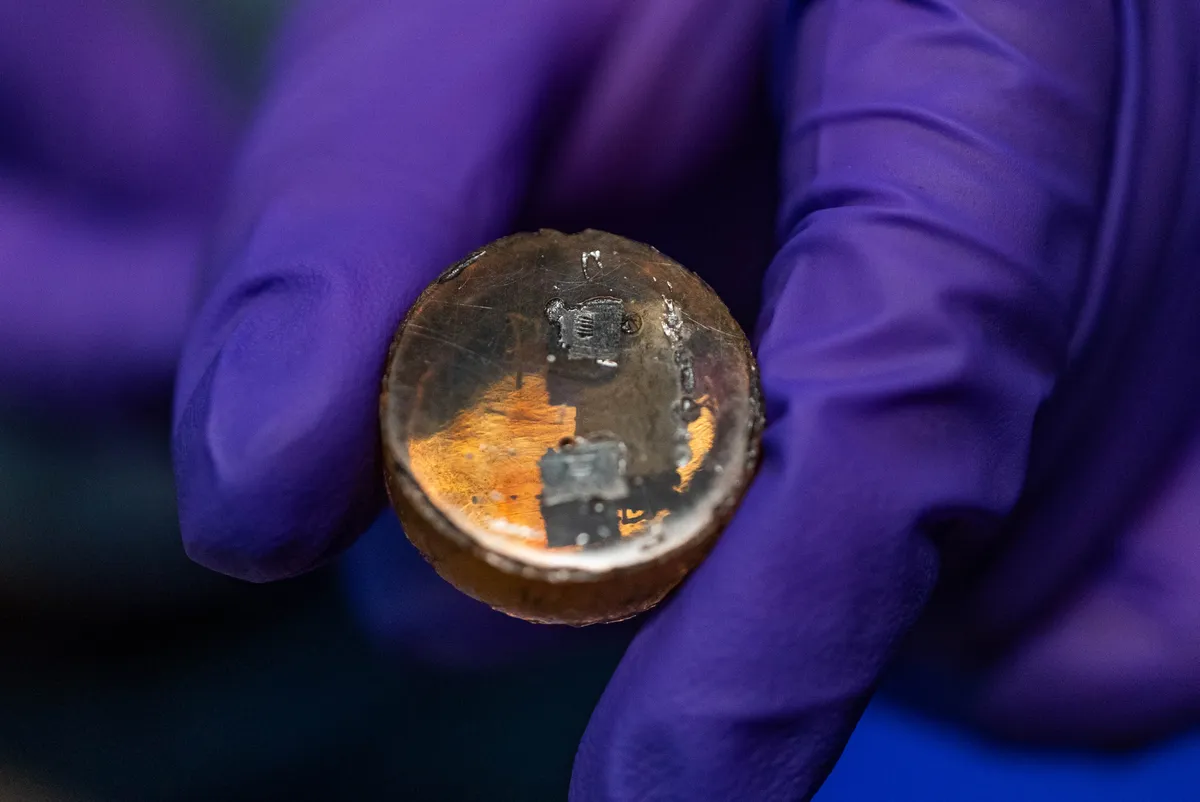
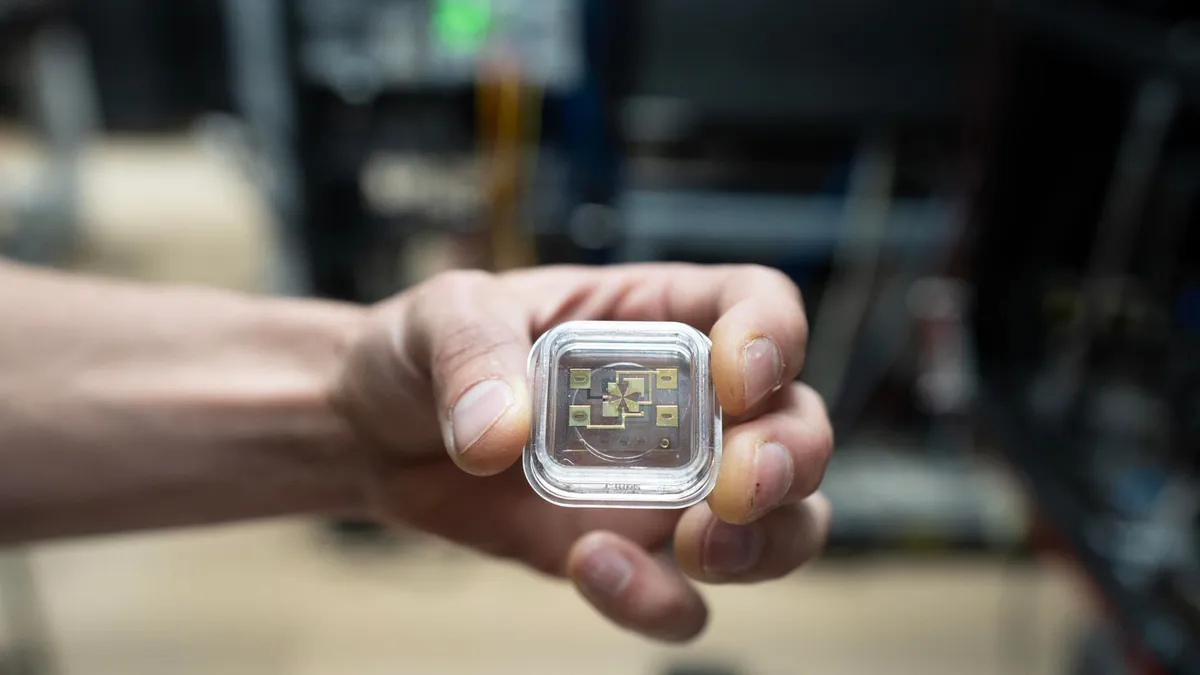
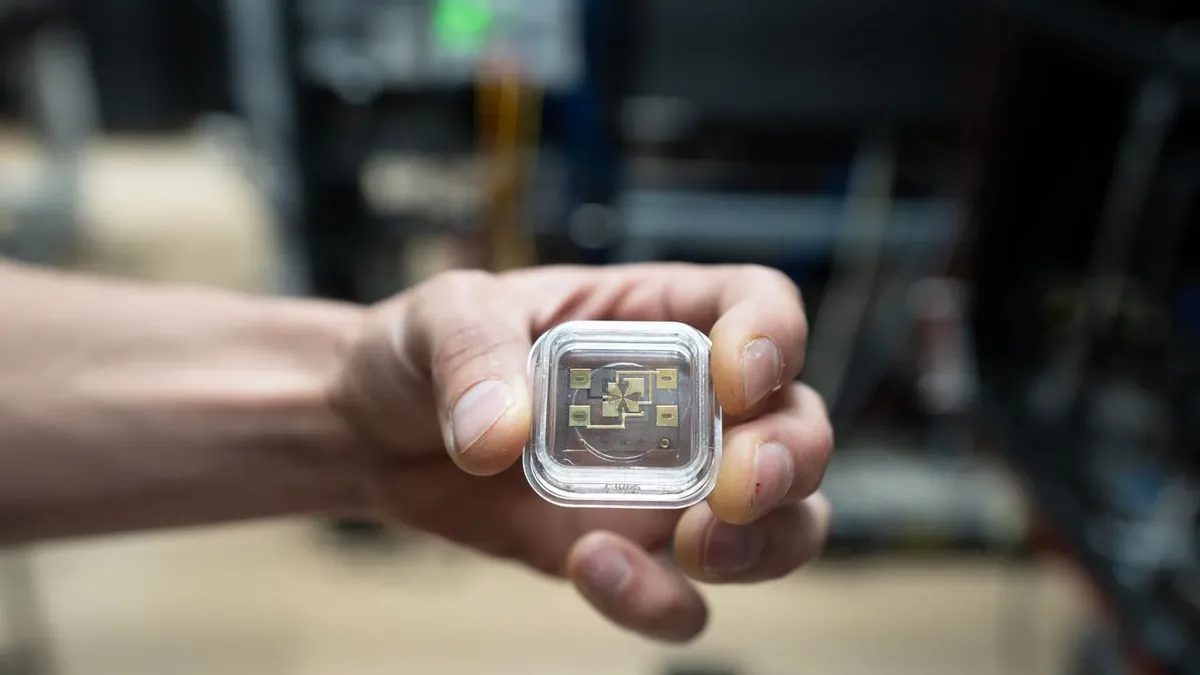
The team's theoretical paper, published in Physical Review Letters, delves into how relativistic time and quantum effects tango inside atomic clocks. They're talking about chilling these clocks — which often trap single ions like aluminum and ytterbium — down to absolute zero, then nudging their quantum states with lasers.
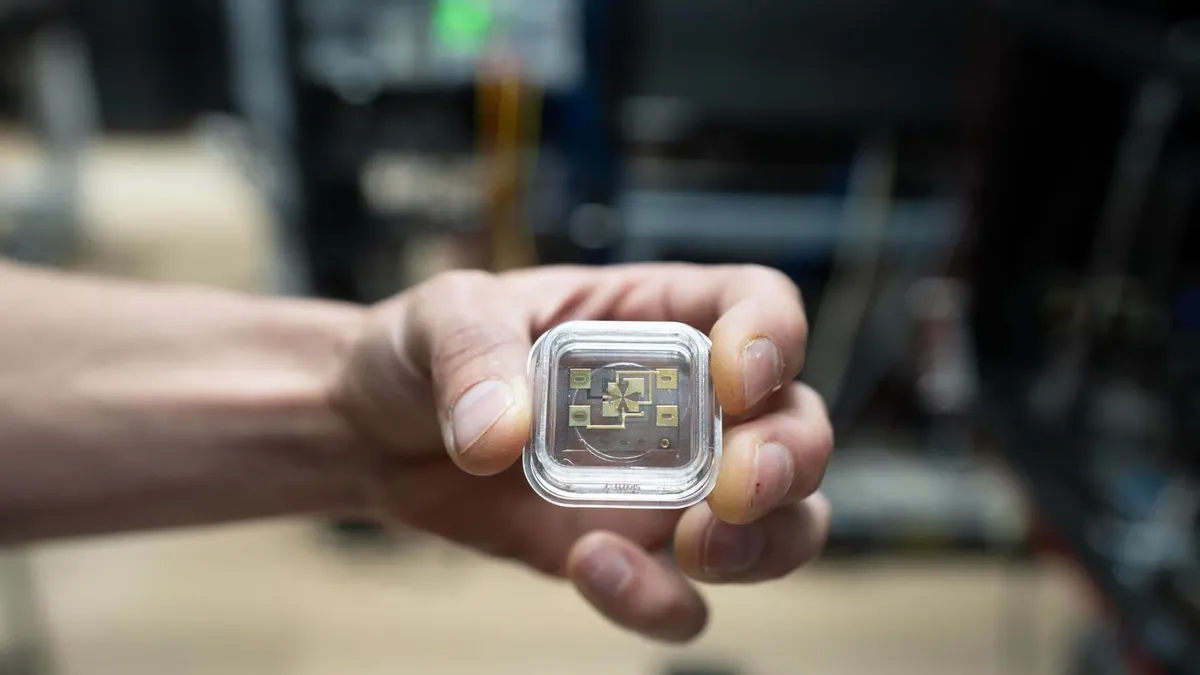
Gabriel Sorci, a PhD candidate on the team, points out that these atomic clocks are now so hyper-sensitive they can detect minuscule time differences caused by something as subtle as thermal vibrations. Even at absolute zero, he adds, quantum fluctuations alone could mess with the ticking rate. So they went a step further, manipulating the vacuum itself to create "squeezed states" where the clock's position and speed exhibit quantum behavior.
The upshot? A single clock could potentially measure itself ticking both faster and slower at the same time. It's like your watch is simultaneously running late for a crucial meeting and perfectly on time for happy hour. The good news? Lab experiments are planned to confirm this mind-bending theory. So, next time you're stuck in traffic, just imagine your car's clock is experiencing its own quantum adventure.