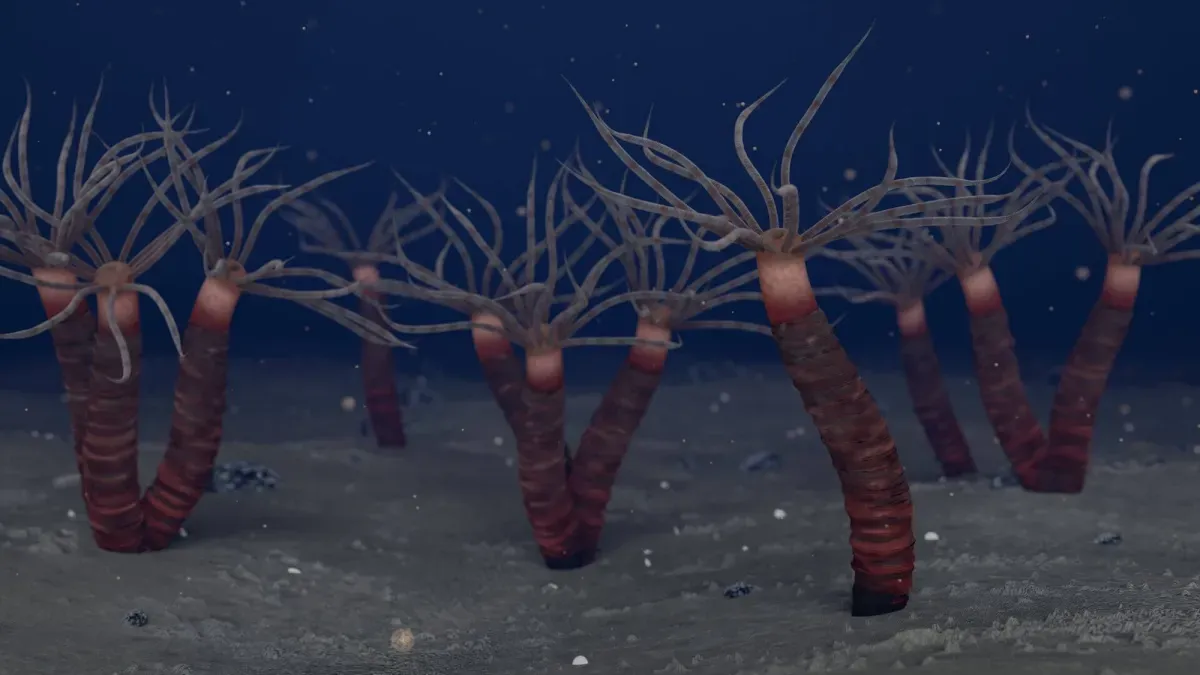
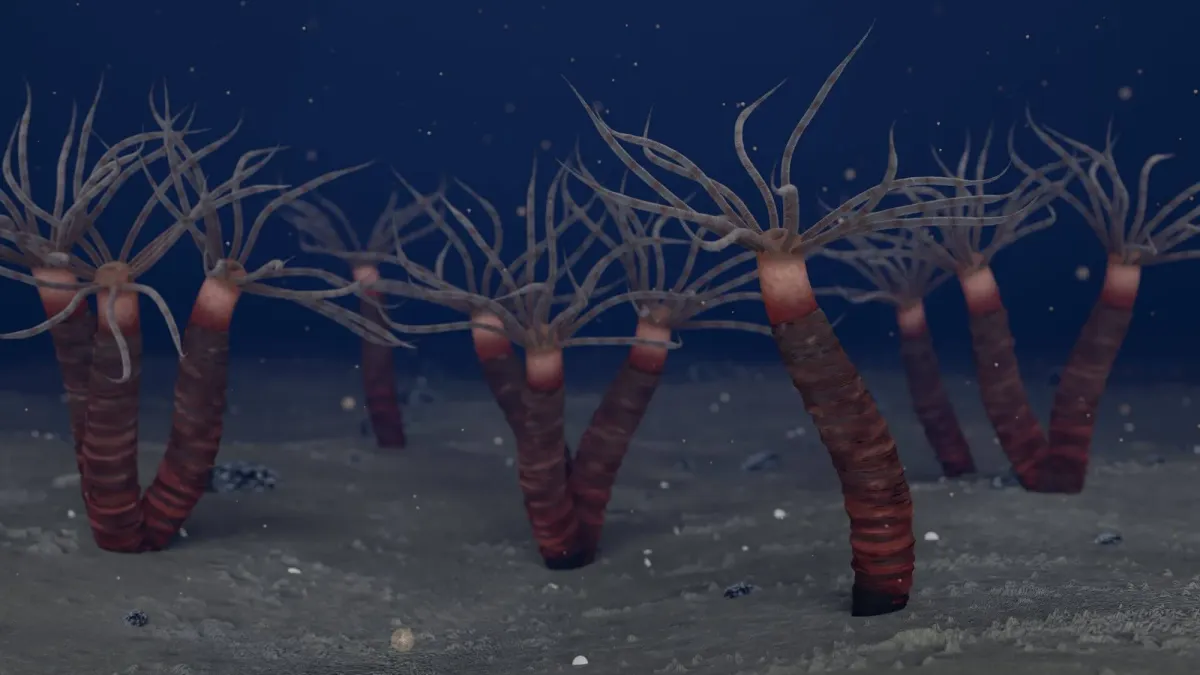
Jellyfish are basically ocean ghosts: delicate, translucent, and generally not the kind of creature you expect to leave behind a fossil record. Which is why the discovery of Paleocanna tentaculum is so delightful. Not only is it 450 million years old, but it looks like a particularly enthusiastic, if slightly deflated, carwash tubeman.
Found not far from Quebec City, Canada, this tubular polyp is officially a new species and, according to researchers, a closer relative to modern jellyfish than any other ancient species we've found. So, it's basically the great-great-great-great-great-great-great-grandparent you never knew you had, assuming your lineage includes venomous tentacles.
The Unlikely Star of the Fossil Record
Most fossils are of animals with backbones, because those tend to, you know, stick around. Soft-bodied creatures? Not so much. Which makes the discovery of Paleocanna tentaculum a genuinely big deal. Think of it as finding a perfectly preserved ancient balloon animal.
We're a new kind of news feed.
Regular news is designed to drain you. We're a non-profit built to restore you. Every story we publish is scored for impact, progress, and hope.
Start Your News DetoxThe whole saga began in 2010 when amateur fossil hunter John Iellamo stumbled upon 15 limestone slabs in the Saint Lawrence Lowlands. Recognizing their potential, he did the noble thing and donated them to Montreal's Musée de paléontologie et de l’évolution. "Without him, we wouldn't be talking about this new species," noted Louis-Philippe Bateman, a paleontologist at McGill University and co-author of the study. Let that sink in: an entire new species, thanks to one curious person and some rocks.
Bateman and his team meticulously examined about 135 fossilized specimens, comparing their anatomy to 69 living and extinct jellyfish relatives. They even noticed that many of the ancient creatures were aligned in the same direction when they died. This suggests they were buried quickly and in low-oxygen conditions, which, while probably not ideal for them, was fantastic for their long-term preservation. You win some, you lose some.
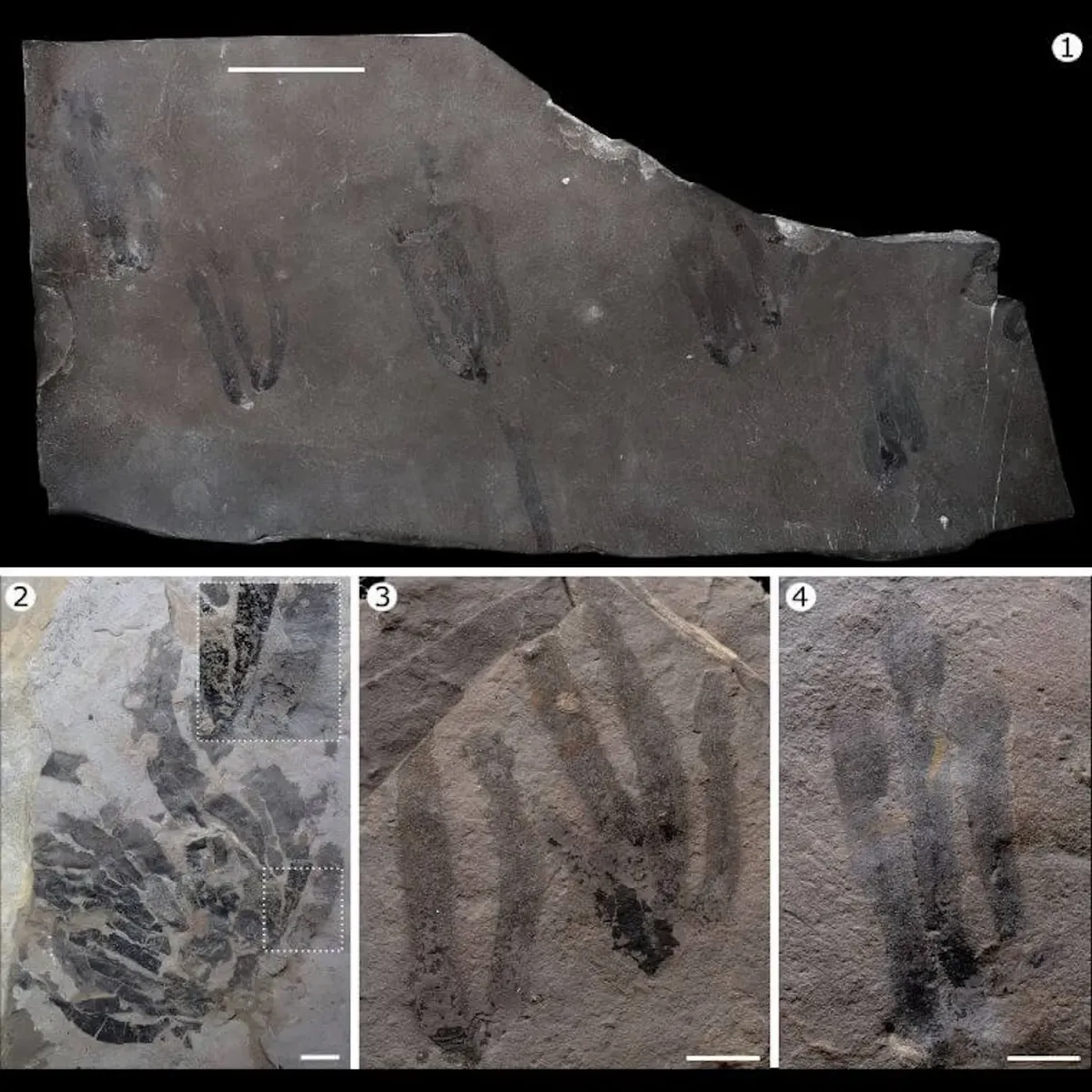
Unlike its free-floating descendants, P. tentaculum was likely a bottom-dweller, attaching itself to the ocean floor and using its crown of tentacles to snatch unsuspecting prey. Which, honestly, sounds like a decent gig for 450 million years ago.
Despite its rather unusual appearance — seriously, google it — analysis shows this ancient creature is closely related to living species like box jellies. It's a much tighter family connection than most other fossil polyps, making it a crucial piece in the jellyfish family tree. It also serves as a reminder that important scientific discoveries aren't always hidden in the famous fossil hotbeds. Sometimes, they're just waiting in a random limestone slab in Quebec. Better get out there and start looking.