Ever wonder what was on the menu for prehistoric Europeans? Turns out, it wasn't just whatever they could scrounge. An international team of scientists just cracked the culinary code for north-central Poland, revealing that ancient diets were surprisingly complex, intertwined with identity, social status, and even where they decided to let their cattle roam.
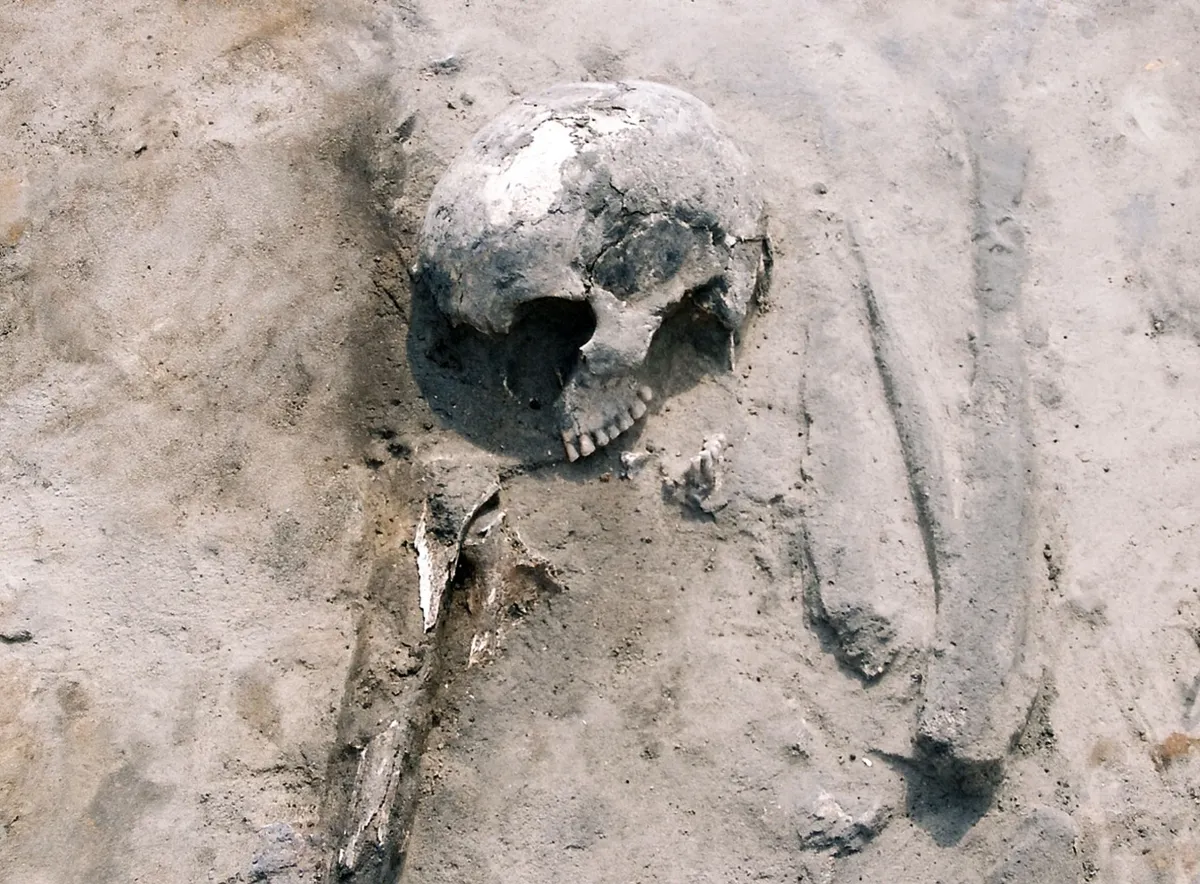
They peered into the lives of 60 individuals who lived between 4100 and 1230 BC — a pivotal time for Central Europe, marked by new arrivals and the introduction of millet. Because ancient homes tended to be, shall we say, ephemeral, and graves often came with minimal bling, getting a real sense of daily life was a tough nut to crack. Traditional archaeology offered only glimpses.
So, these researchers pulled out the big guns: radiocarbon dating, ancient DNA, and stable isotope analysis of carbon and nitrogen. Essentially, they turned bones into history books, allowing them to reconstruct diets, farming practices, and even social structures that had been hidden for millennia.
We're a new kind of news feed.
Regular news is designed to drain you. We're a non-profit built to restore you. Every story we publish is scored for impact, progress, and hope.
Start Your News DetoxOne of the first surprises involved the Corded Ware communities, who arrived around 2800 BC. Instead of settling in the prime open grasslands, these folks apparently preferred to graze their animals in forests or wet river valleys — areas that local farmers probably considered a bit… damp. Over time, their diets began to mirror their neighbors', suggesting a bit of cultural exchange when it came to animal husbandry.
Millet, Status, and Burial Styles
Then there's millet. In many parts of Eurasia, this grain became an instant hit. But in north-central Poland, the isotope analysis told a different story. From about 1200 BC, some communities went all-in on millet, while others barely touched the stuff. And these dietary divisions weren't just about taste; they aligned with distinct burial practices. Some groups stuck to generational communal tombs, while others preferred burying individuals in pairs, foot-to-foot, in long pits. Your dinner plate, it seems, was a marker of your cultural club.
The data also hinted at the earliest whispers of social inequality. Differences in nitrogen isotope values in bone collagen, which basically tells you who was eating what on the food chain, suggested some individuals — especially during the Early Bronze Age — enjoyed a more protein-rich, animal-heavy diet. This points to emerging social hierarchies, a detail not exactly screaming from the rather humble grave goods found at these sites.
Ultimately, these prehistoric groups weren't just passively adopting trends from their neighbors. They forged their own paths, proving themselves remarkably adaptable and independent in the face of environmental and social shifts. Which, if you think about it, is a pretty respectable legacy for people who didn't even have Yelp reviews to guide their dinner choices.