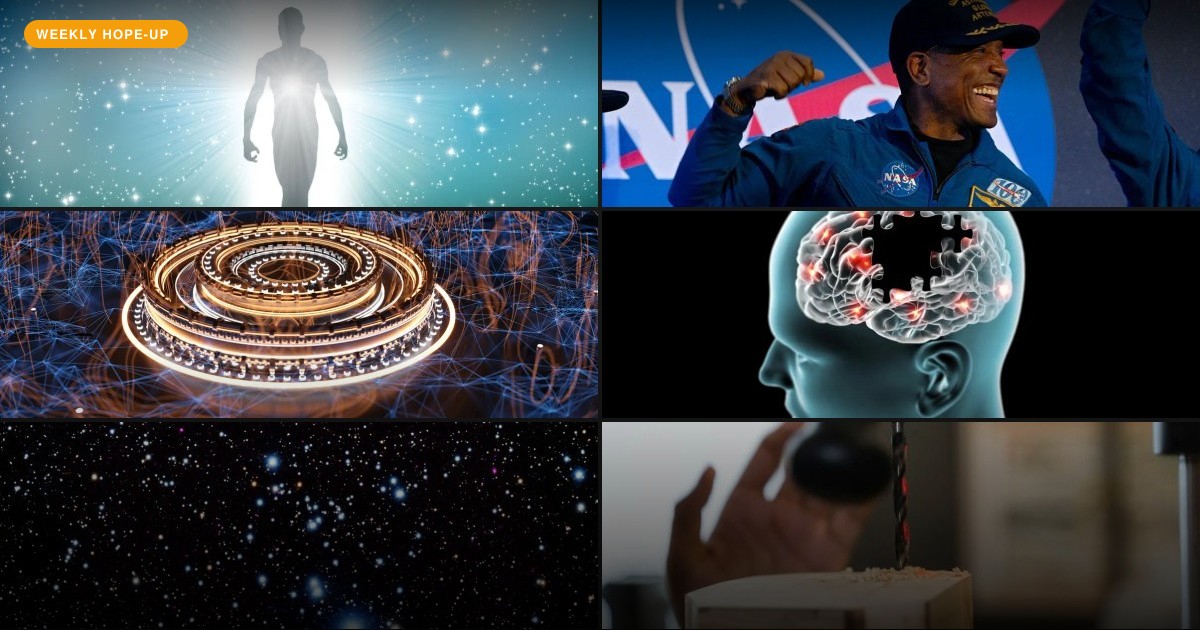
This week, we got a glimpse into a future where the lines between biology and technology are delightfully blurry, and the cosmos seems to be giving us a wink. From surprising discoveries inside our own bodies to artificial intelligence reaching for the stars, it felt like the universe was busy upgrading everything, including our understanding of it.
The Brain: Now With More Features
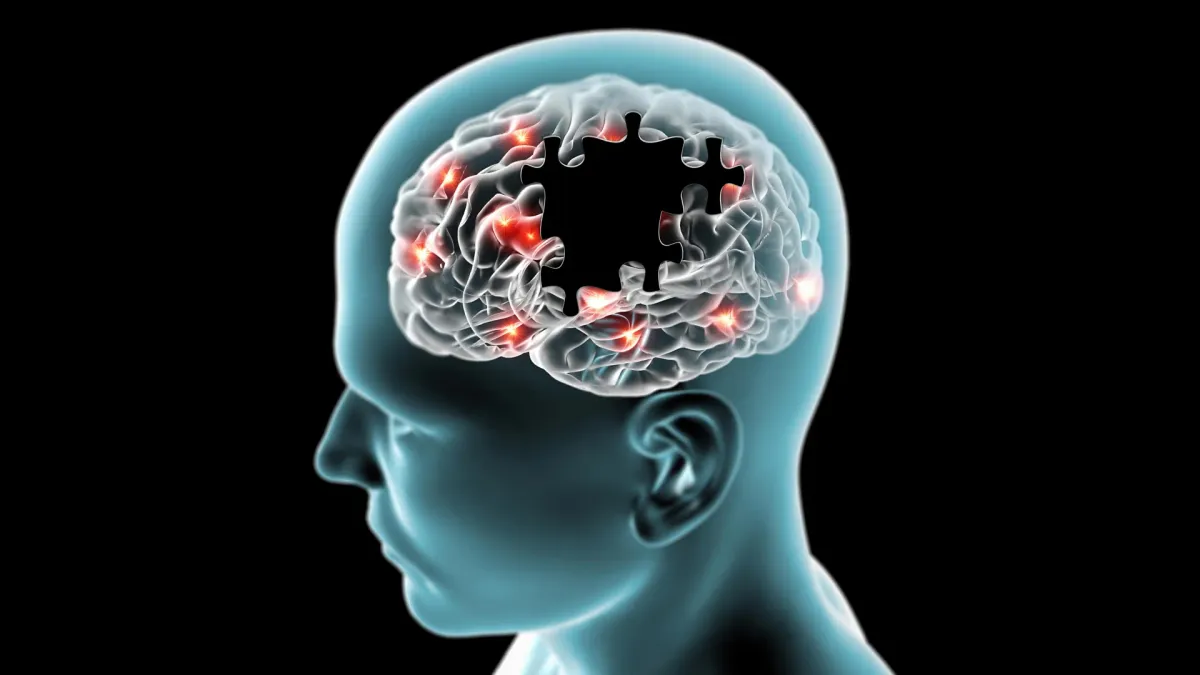
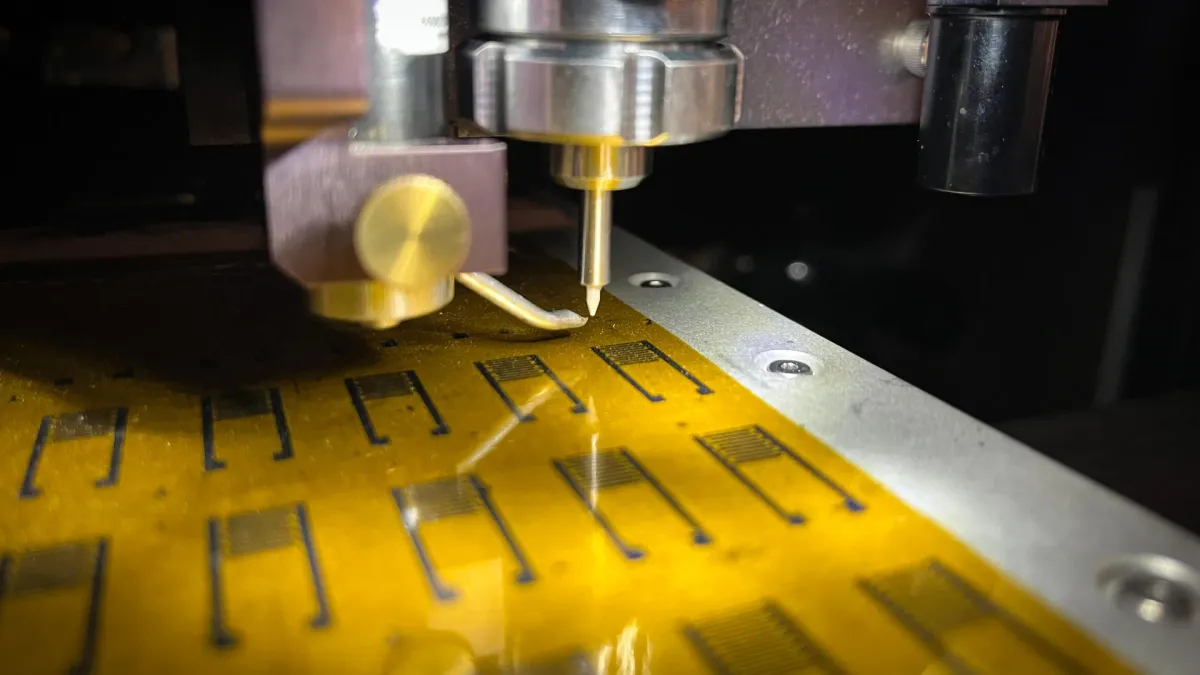
Remember when the brain was just… the brain? This week, it became a playground for some truly mind-bending advancements. Engineers at Northwestern University didn't just think about merging machines with biology; they printed artificial neurons that successfully communicated with living brain cells. Think about that: synthetic parts chatting with organic ones, generating lifelike electrical signals. It’s the kind of science fiction that suddenly feels very, very real.
Then, in a discovery that sounds like it came straight from a sci-fi novel, scientists found that yaks and Tibetan antelopes hold a genetic secret to repairing nerve damage. A gene mutation that helps these high-altitude animals survive low oxygen also protects and repairs the myelin sheath – the crucial insulation around our nerves. If you've been anxious about conditions like MS or spinal cord injuries, this week just changed the conversation around potential treatments. These breakthroughs remind us that the most profound improvements often come from the most unexpected places, even if that place is a yak.
We're a new kind of news feed.
Regular news is designed to drain you. We're a non-profit built to restore you. Every story we publish is scored for impact, progress, and hope.
Start Your News Detox"A new study suggests that failing to detect dark matter signals in some galaxies may not contradict evidence seen in our own." — Read the full story
AI Is Getting Personal (and Very Productive)
Artificial intelligence isn't just crunching numbers anymore; it's getting intimately involved in some of humanity's trickiest challenges. This week, we saw AI step into roles that used to require years of specialized human expertise, from drug discovery to quantum computing.
In a move that will likely thrill biologists and perhaps make some machine-learning experts a little nervous, AI can now design proteins, and biologists don't even need to code. This isn't just about speeding up research; it's about democratizing access to powerful tools, allowing more scientists to leverage AI for novel treatments and a deeper understanding of disease. Meanwhile, NVIDIA launched new AI models called Ising, specifically designed to tackle quantum computing's biggest headaches: calibration and error correction. This means our future supercomputers might not just be powerful, but also reliable, thanks to AI sorting out their quantum quirks. If you're wondering how AI will change your job, this week suggests it might be less about replacement and more about supercharging your existing skills.
The Universe Keeps Surprising Us
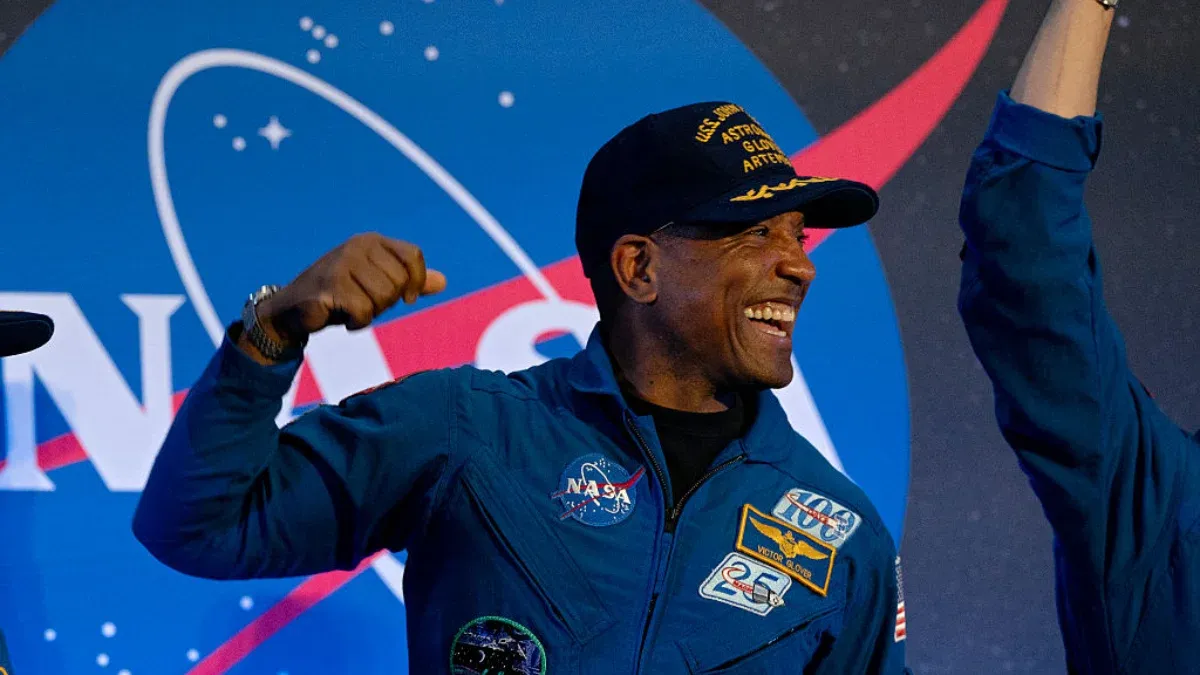
Just when we think we have a handle on things, the cosmos reminds us it's far more interesting than we imagined. Astronaut Victor Glover, after his historic Artemis II mission around the moon, returned to Earth literally speechless, experiencing a profound shift that brought him closer to a sense of the divine. It’s a powerful reminder that even with all our scientific instruments, some experiences remain purely human and deeply personal.
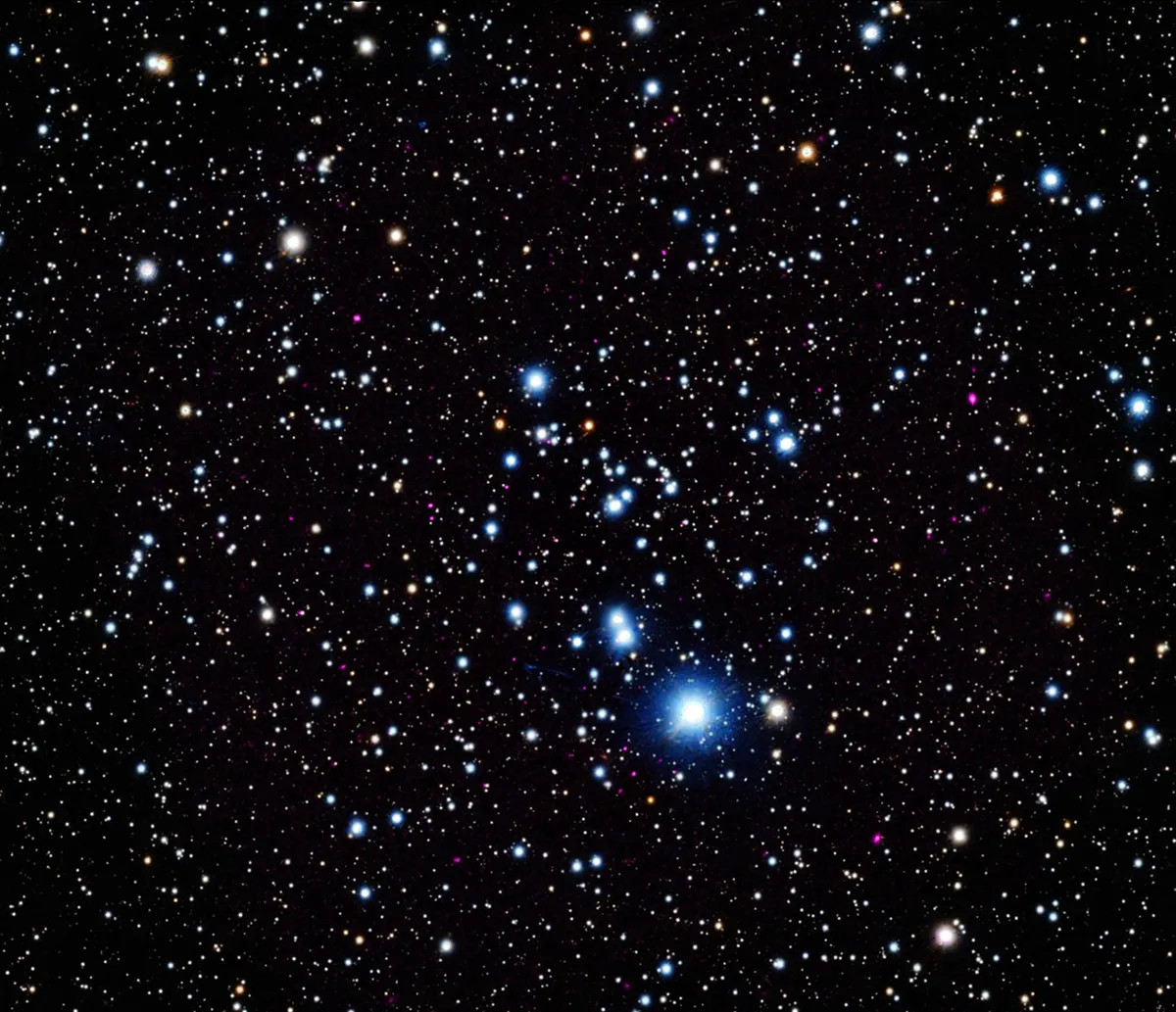
And speaking of the cosmos, it turns out young stars are chilling out faster than expected. NASA's Chandra X-ray Observatory found that stellar cousins of our Sun are dimming more quickly in their X-ray output. This isn't just an astronomical curiosity; it boosts the chances for alien life, as planets around these calmer stars would have a more stable environment for life to evolve. So, if you've ever looked up at the night sky and wondered if we're alone, this week the universe quietly nudged the odds a little more in favor of company.
Hope stat: 80% — reduction in infant hospital stays for RSV thanks to a new pregnancy vaccine.
Watch this space: The continued integration of AI into scientific discovery, especially in fields like protein design and quantum computing, hints at an accelerating pace of breakthroughs.