Solar energy has a glaring, inconvenient truth: it clocks out when the sun does. For all our technological wizardry, the moment twilight hits, most solar panels shrug, "My work here is done." Storing that daytime sunshine as heat has been a holy grail for scientists, but it's usually a Rube Goldberg machine of different materials all trying to play nice.
Traditionally, you'd need one material to soak up the sun, another to hoard the heat, and a third to protect the whole operation. It's a bit like trying to coordinate a three-legged race with a bunch of strangers — a lot of wasted energy and awkward stumbling.
The Wood That Said, "Hold My Beer."
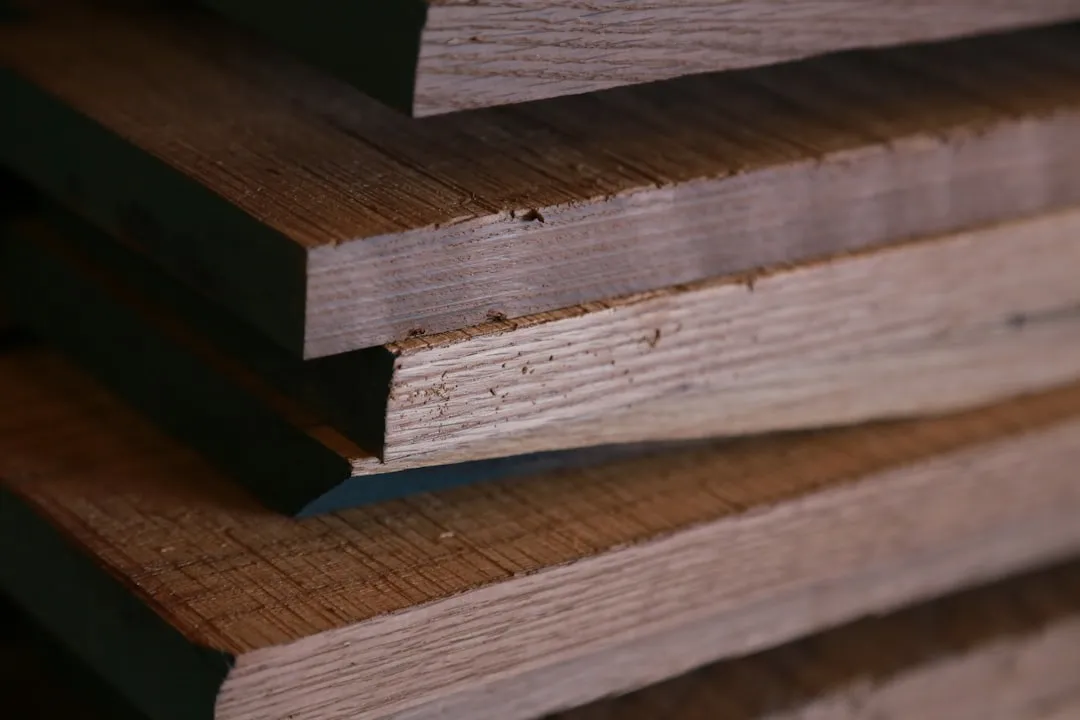
But now, researchers have apparently had enough. They've taken humble wood and, through some microscopic magic, turned it into an all-in-one solar energy system. This isn't just wood holding up a solar panel; this wood is the solar panel. It absorbs sunlight, stores it as heat, and can even generate electricity long after the sun has packed up for the day.
We're a new kind of news feed.
Regular news is designed to drain you. We're a non-profit built to restore you. Every story we publish is scored for impact, progress, and hope.
Start Your News DetoxIt's a simple, eco-friendly approach to solar thermal energy, using a material you'd normally find in a forest or a very lightweight airplane model.
How They MacGyvered a Tree
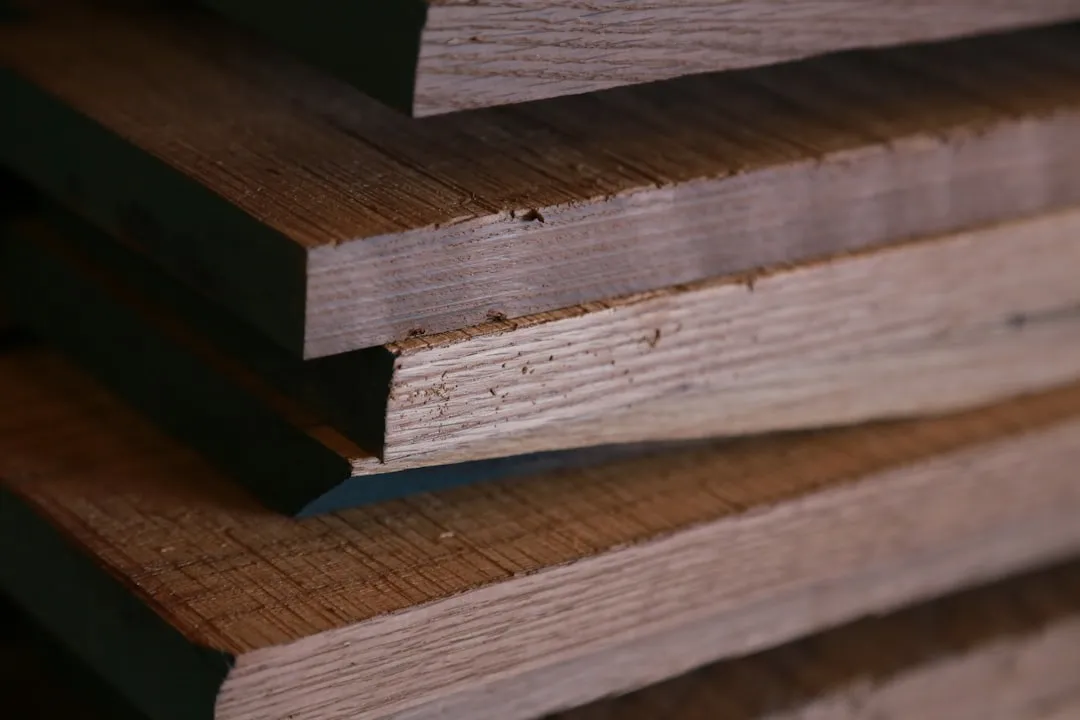
The team started with balsa wood, not for its strength, but for its internal architecture. Under a microscope, balsa looks like a bundle of tiny, hollow tubes, each about 20–50 micrometers wide. Think of them as nature's perfectly designed conduits, ready to be filled.
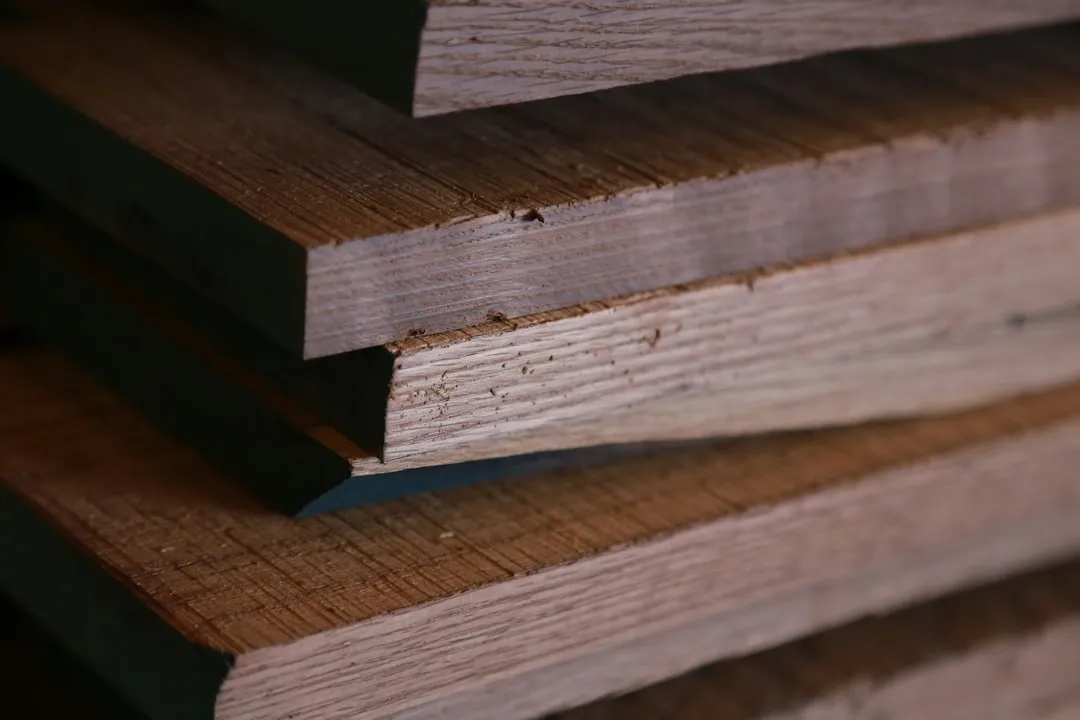
First, they stripped the wood of its lignin — the stuff that makes wood stiff and brown. This left the wood over 93% porous, essentially turning it into a super-absorbent, tube-filled sponge. Then, instead of just burning the wood (which, let's be honest, is what most of us would do), they chemically tweaked its inner surfaces.
They coated the walls of those tiny channels with ultra-thin sheets of black phosphorene. This material is a sunlight-gobbler, converting light across various wavelengths into heat. Handy, right? Except phosphorene is also incredibly fragile in open air. It's like having a superhero with a fatal allergy to oxygen.
So, the scientists gave it a shield: a protective layer made from tannic acid and iron ions. This network wraps around the phosphorene, stopping oxidation in its tracks and even boosting light absorption. The result? A material that stayed perfectly stable even after 150 days basking in the sun.
The Grand Finale: Waterproof, Fire-Resistant, and Power-Generating
Next, they sprinkled in silver nanoparticles to further amp up the light absorption. Then, to make it truly ready for the great outdoors, they added long hydrocarbon chains to the surface, rendering the wood super water-repellent. Water just beads up and rolls off, like a tiny slip-and-slide for H2O molecules.
With the wood structure complete, they filled the channels with stearic acid, a bio-based material that's essentially a heat battery. It melts when heated, storing energy, and solidifies when cooled, releasing that energy. It's the ultimate thermal shapeshifter.
The results were impressive: The modified wood stored about 175 kJ of heat per kilogram and converted a whopping 91.27% of sunlight into usable heat. It also conducted heat nearly four times better along the wood's natural grain. Hooked up to a thermoelectric generator, it cranked out up to 0.65 volts in standard sunlight.
When the sun shines, the material heats up, melting the stearic acid. When the sun dips below the horizon, the stored heat slowly releases, maintaining a temperature difference across the generator. This means the system keeps pumping out electricity, even in the dark. Because apparently that's where we are now.
Oh, and it’s durable. It barely flinched after 100 heating and cooling cycles, put itself out within two minutes if exposed to flame, and even had an antimicrobial surface to deter bacteria. Basically, it’s the overachiever of solar materials.
What's Next for This Overachieving Wood?
This research offers a surprisingly simple blueprint for a highly efficient solar system where the wood isn't just a passive support structure; it's an active participant, absorbing, storing, and protecting itself. And by avoiding high-temperature carbonization, the material retains its chemical properties, leaving the door open for even more future modifications.
Beyond solar, similar designs could help manage heat in electronics or improve energy-efficient building materials. Imagine a house that literally soaks up the sun's warmth and releases it slowly through the night. Or small, off-grid power systems where reliability trumps sheer output.
Of course, the next step is scaling this up — making sure it can be mass-produced and still generate enough power to make a real difference. But if successful, this technology could lead to a whole new generation of solar power systems that are truly self-reliant, all thanks to a bit of balsa wood and some clever chemistry. Which, if you think about it, is both impressive and slightly terrifying.