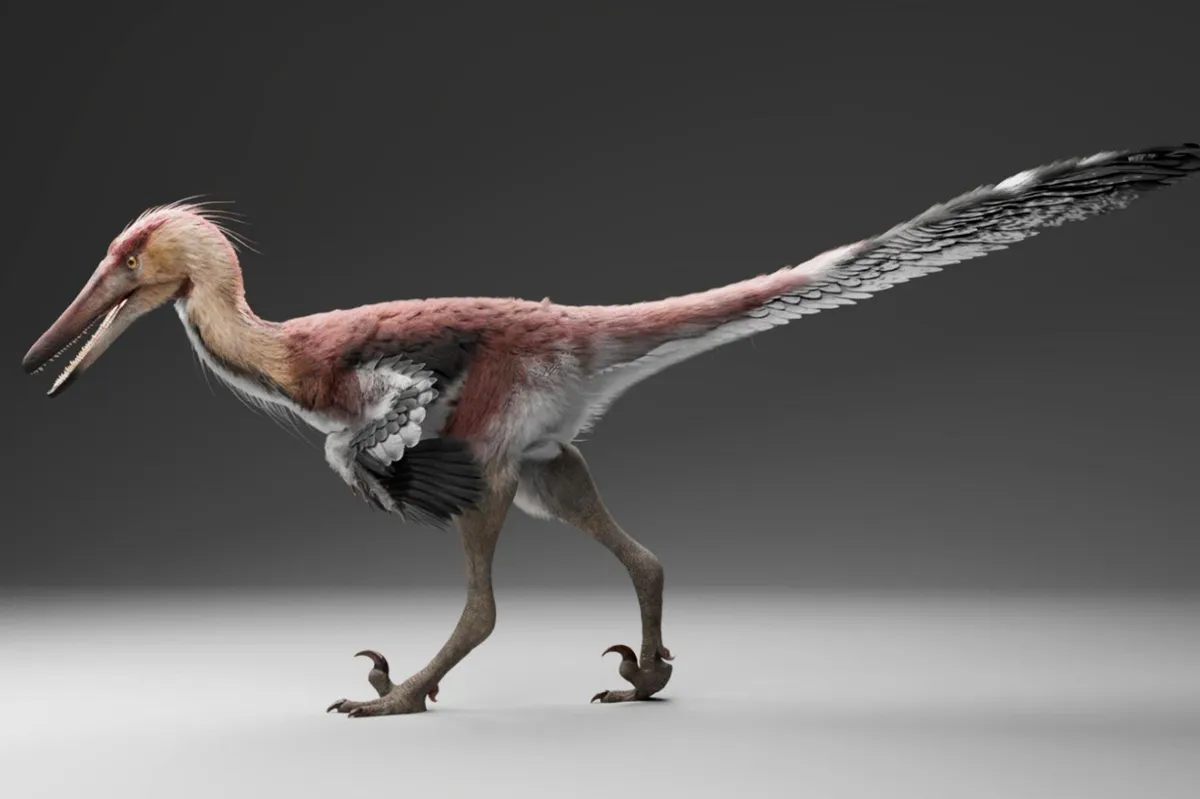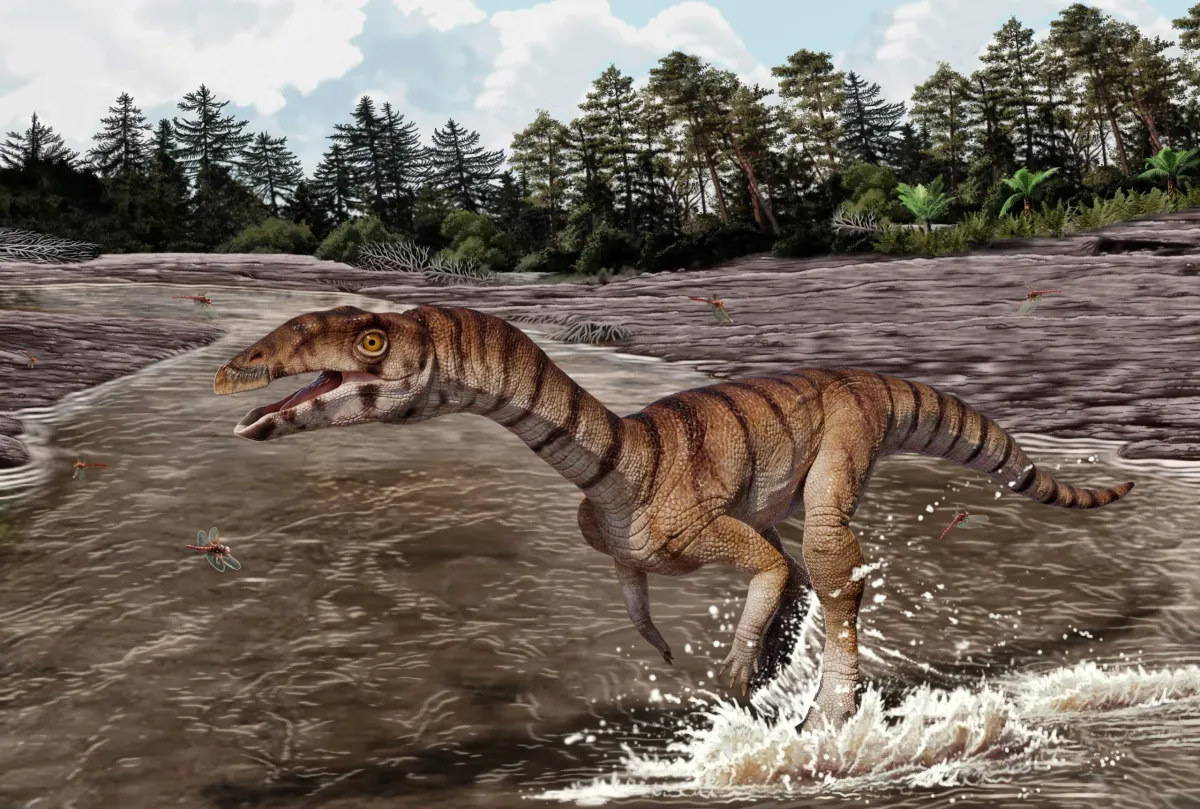
A newly found crocodile relative from the Triassic Period walked on two legs. It had a beak and tiny arms, making it look more like an ostrich-like dinosaur than a crocodile.
This discovery shows how diverse animal life was during the Triassic. Evolution was creating many different body shapes, some of which looked like animals we know today, even if they weren't closely related.
A Bizarre Crocodile Cousin
The new reptile is called Labrujasuchus expectatus. Its body shape was similar to ostrich-like dinosaurs. However, Labrujasuchus belonged to the archosaur group that eventually led to modern crocodiles.
We're a new kind of news feed.
Regular news is designed to drain you. We're a non-profit built to restore you. Every story we publish is scored for impact, progress, and hope.
Start Your News DetoxUnlike today's four-legged crocodiles with strong, toothy jaws, Labrujasuchus moved on two legs. It had small front limbs and a beak without teeth. It looked very different from any crocodile we see now.
Researchers say that surprising discoveries are common when studying the Triassic Period.
Evolutionary Experiments
The Triassic Period was full of unusual reptiles. Many of these creatures seem strange by today's standards.
For example, there were lagerpetids, which were close relatives of dinosaurs and later evolved into flying pterosaurs. Another odd creature was Drepanosaurus, a tree-dweller with a large claw like a tree sloth and an extra claw on its tail. Vancleavea was an armored aquatic reptile, sometimes compared to a miniature tank.
Labrujasuchus expectatus is the newest member of the Shuvosauridae family. This small group of crocodile relatives had body plans similar to two-legged theropod dinosaurs, complete with small front limbs.
Dr. Alan Turner, the lead author of the study, noted that many successful strategies for modern animals and dinosaurs first appeared in the Triassic. He explained that walking on two legs was a unique path for crocodile relatives, but it worked well for them, just as it did for dinosaurs and birds.
Bridging an Evolutionary Gap
Only five shuvosaur species have been found so far, making this discovery very important.
Researchers believe Labrujasuchus expectatus helps connect two other shuvosaur species found in the same area. Paleontologists had thought that intermediate species likely existed.
The species name expectatus comes from this expectation. The genus name Labrujasuchus combines "Ranchos de los Brujos," an old Spanish name for Ghost Ranch meaning "Ranch of the Witches," with the Greek word for "crocodile," suchus.
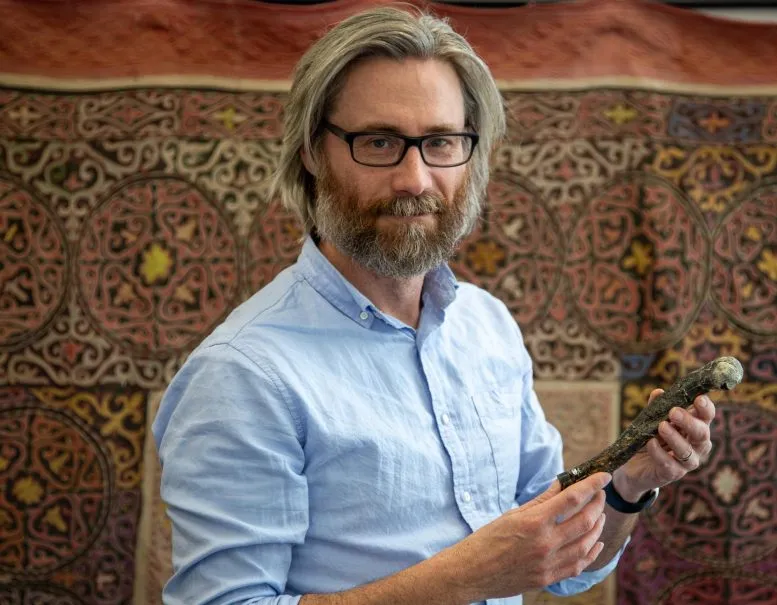
Dr. Nate Smith, a co-author, explained that the name honors the colorful history of Ghost Ranch. He also noted that finding an earlier and a later shuvosaur species meant paleontologists knew more were waiting to be discovered.
Ghost Ranch's Ongoing Discoveries
The Triassic Period might seem like a completely different world. However, many evolutionary ideas from that time led to body plans and lifestyles that became successful in other animal groups later on.
Studying these ancient ecosystems helps scientists understand how life evolved. It also provides context for today's species, many of which face environmental challenges.
Ghost Ranch in New Mexico offers a clear look into this distant past. The site has four major fossil quarries that have been dug for decades. It continues to reveal some of the best-preserved Triassic fossils ever found.
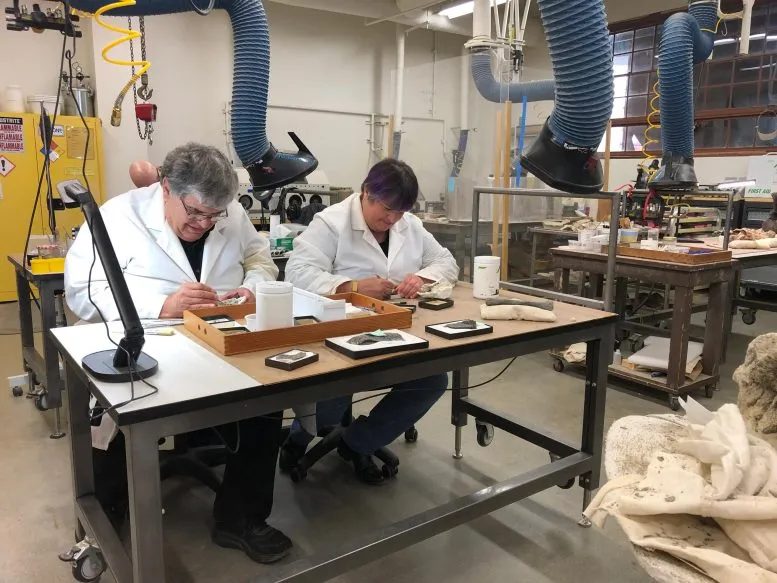
Joanne Lefrak, Director of Experience and Social Impact at the Ghost Ranch Education and Retreat Center, highlighted the ranch's role in research. She mentioned that Ghost Ranch, known for its landscapes painted by Georgia O’Keeffe, is a unique place for both spiritual healing and ancient history.
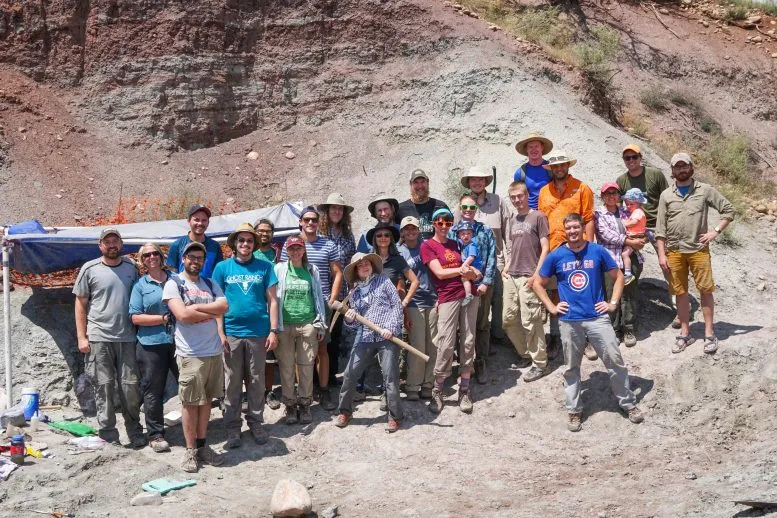
The ongoing excavation project at Ghost Ranch, co-led by Dr. Smith, continues to uncover Late Triassic animals from the Hayden Quarry. These findings add new details to the story of one of Earth's most unusual periods.
Deep Dive & References
A new shuvosaurid (Archosauria, Poposauroidea) from the Late Triassic (Norian) Hayden Quarry of New Mexico, U.S.A. - Journal of Vertebrate Paleontology, 2026