Remember that old adage about things disappearing only to reappear when you least expect them? This week, it seems a few scientific and ecological mysteries decided to play along, showing up after decades, or even centuries, to remind us that not all is lost.
The Return of the Long-Lost
Sometimes, all it takes is a persistent botanist. For 188 years, a peculiar climbing shrub with blueberry-like fruits was nothing more than a ghost in botanical records, last seen in 1836 in the forests of Arunachal Pradesh. This week, a team of scientists rediscovered 16 plants of this endangered blueberry relative. It’s a quiet triumph, a small victory for biodiversity that reminds us that even when we think something is gone, nature often has other plans. If you've ever felt like a tiny piece of the world was slipping away, this week delivered a charming, if obscure, counter-argument.
"The coral had been declared dead in 2019. Five years later, it's not just alive — it's spawning." — Read the full story
Wait—What is Brightcast?We're a new kind of news feed.
Regular news is designed to drain you. We're a non-profit built to restore you. Every story we publish is scored for impact, progress, and hope.
Start Your News Detox
Rules That Actually Work
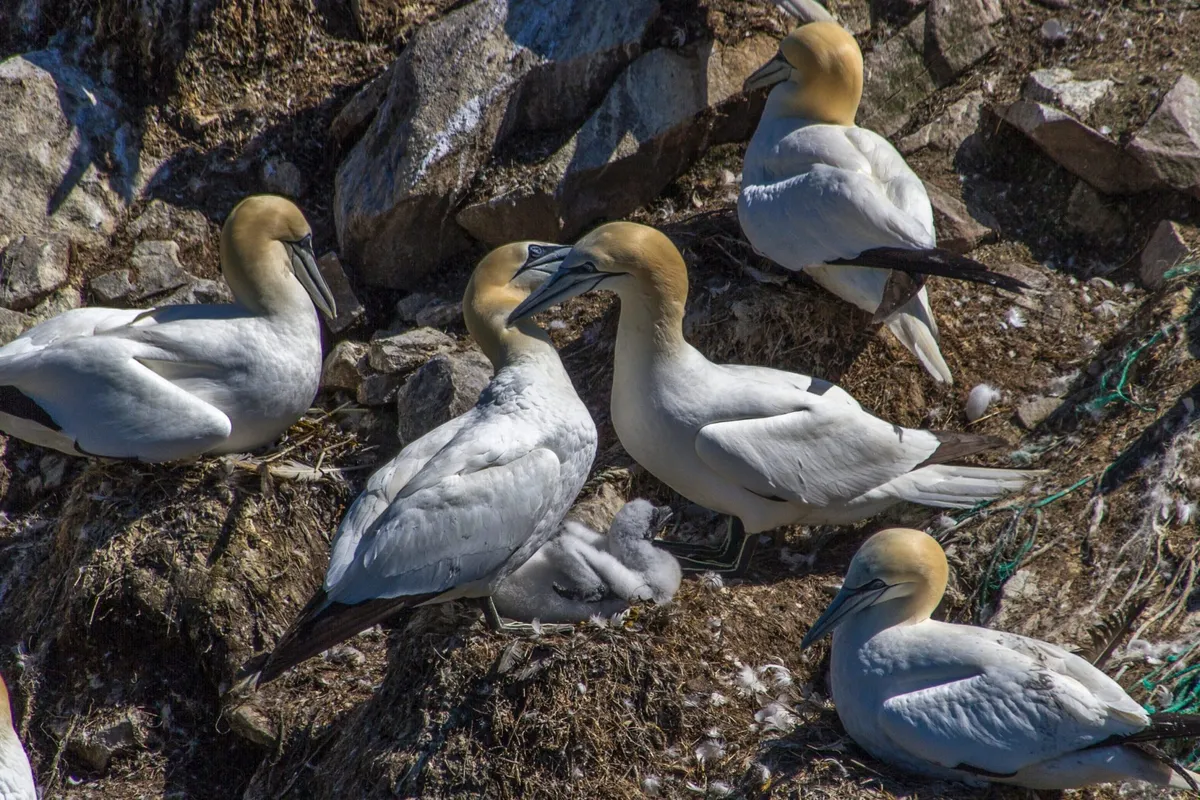
While some things reappear on their own, others need a gentle nudge from policy. For years, "forever chemicals" (PFAS) felt like an inescapable environmental boogeyman. Yet, a new study out of Canada delivered a remarkably straightforward finding: if you ban 'forever chemicals,' they actually go away. Researchers found that levels of these toxic compounds in Canadian seabird eggs have significantly declined, directly correlating with regulations put in place in the early 2000s. It’s a compelling piece of evidence that environmental policies, when implemented, aren't just feel-good gestures — they have measurable, positive impacts. This means that next time someone tells you environmental regulations don't make a difference, you now have a real-world example of seabirds with healthier eggs.
The Smartening of Systems
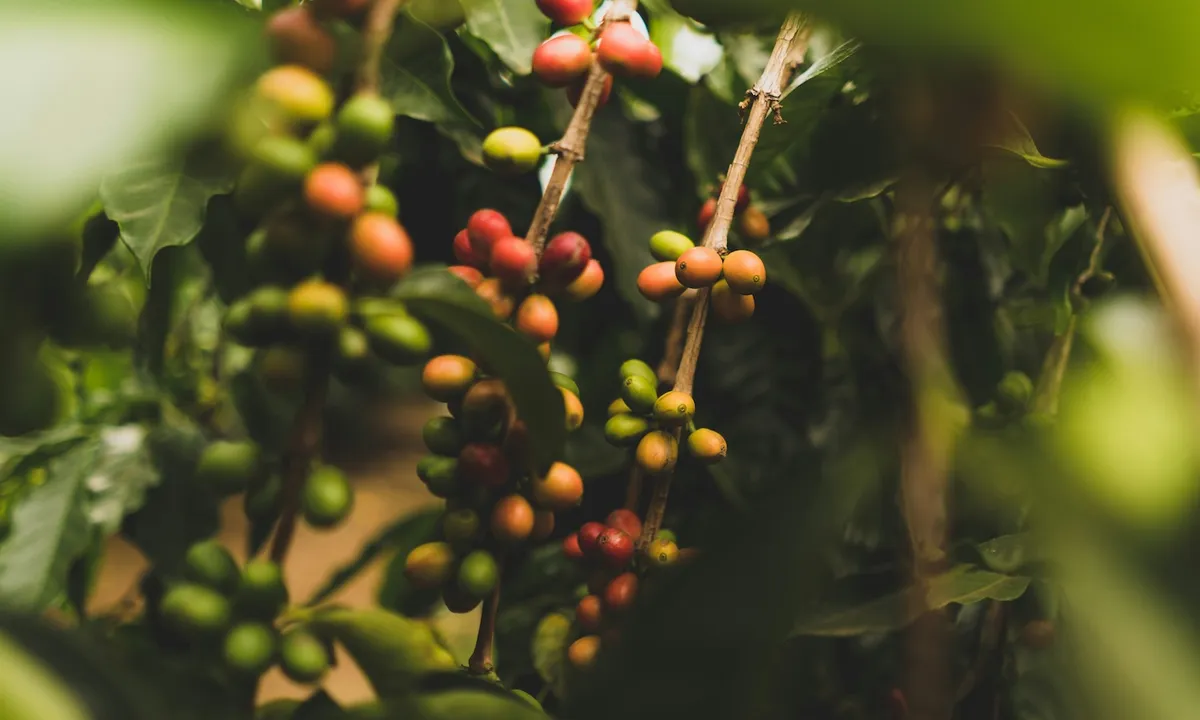
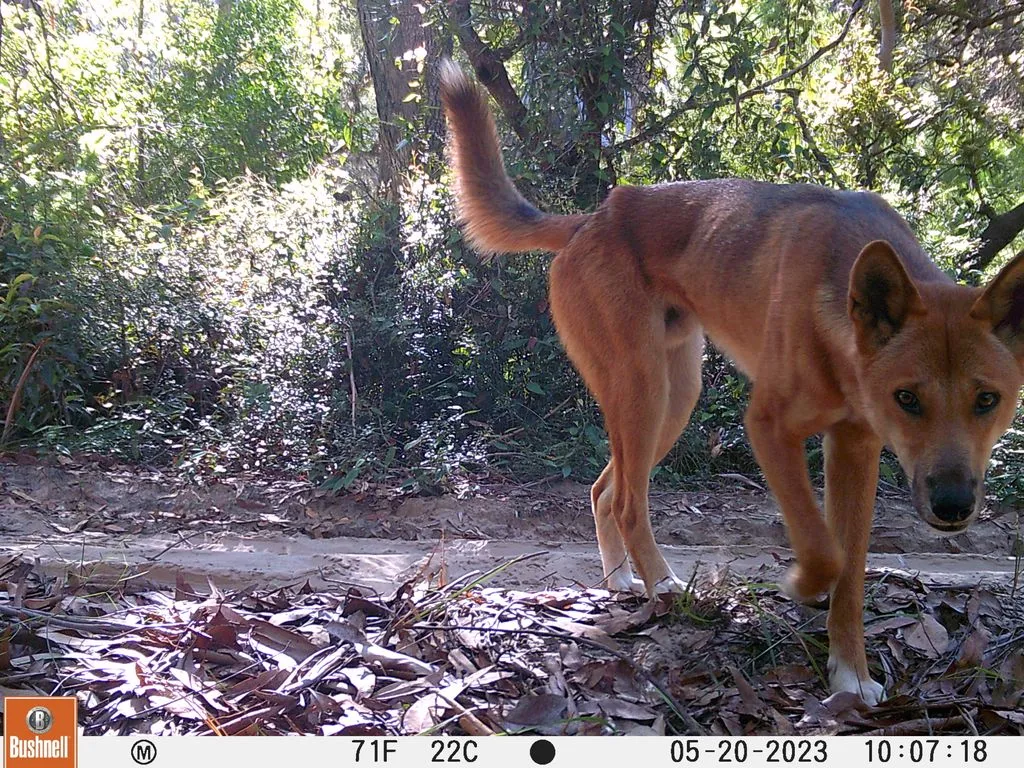
Beyond individual discoveries, there's a clear trend of making our systems — from scientific research to wildlife monitoring — smarter and more accessible. In a move that will likely delight coffee enthusiasts and researchers alike, a new e-library just dropped 60 years of coffee secrets. This freely accessible database compiles decades of global scientific research on agroforestry coffee systems, democratizing knowledge that was once scattered. Meanwhile, Australia launched a new AI platform that turns millions of wildlife photos into action, using computer vision to process vast amounts of camera trap data. This means that whether you're a farmer looking for better coffee practices or a conservationist tracking elusive animals, the tools to understand and act are getting faster, smarter, and easier to find.
Hope stat: 188 — the number of years an endangered blueberry relative was missing before being rediscovered this week. Watch this space: The continued impact of smart data platforms on making scientific knowledge and environmental monitoring more efficient.