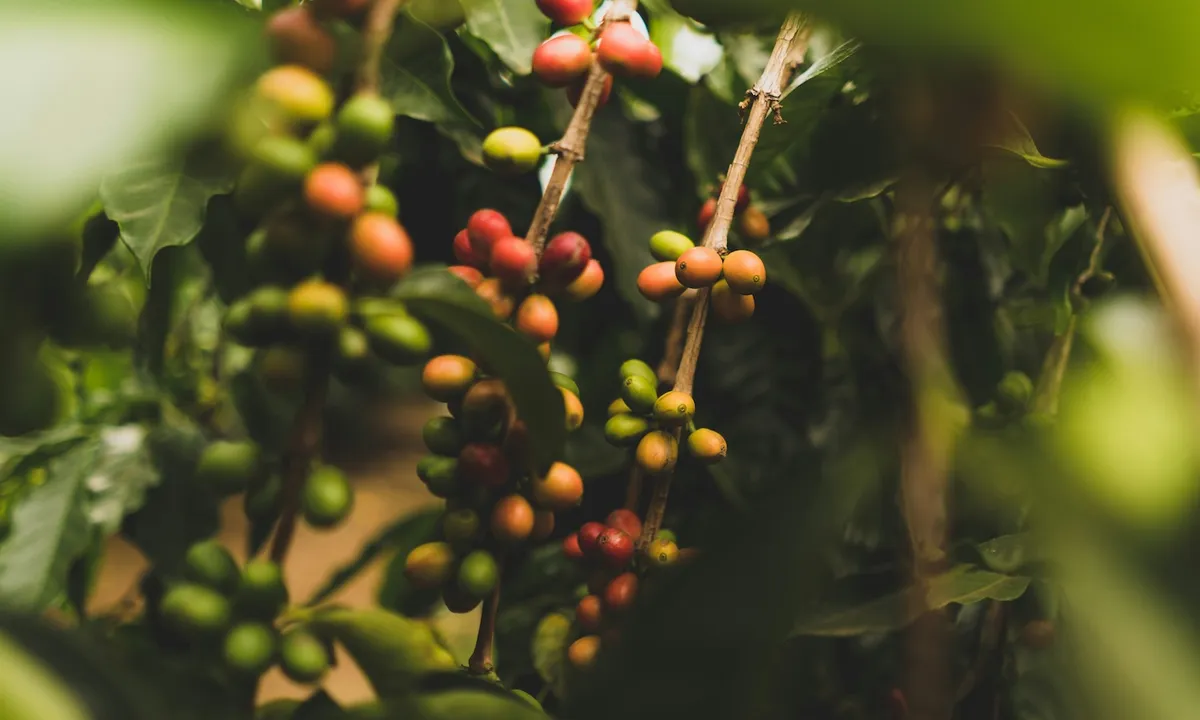
For decades, the global quest for better coffee farming has been a bit like trying to find a specific bean in a very large, very unorganized sack. Research on integrating trees into coffee farms—known as agroforestry—was scattered across paywalled journals and obscure institutions. Good luck if you were a farmer trying to figure out how to keep your crops from melting in the climate crisis.
Now, thanks to Coffee Watch and the Tropical Agricultural Research and Higher Education Center (CATIE), over 60 years of this crucial knowledge is finally in one place. They've launched the Coffee Agroforestry E-Library, a free, online database that's basically a Wikipedia for how to grow coffee without, you know, destroying the planet.
The Brewing Problem
Coffee isn't just a morning ritual; it's a global economic lifeline. Many nations rely on those exports to keep essential services running. The problem? Getting enough coffee, fast, often means tearing down forests and dousing fields in pesticides. Think sun-grown monocultures, where trees are out, and chemicals are in. This approach, while efficient in the short term, wreaks havoc on soil, water, ecosystems, and even public health.
We're a new kind of news feed.
Regular news is designed to drain you. We're a non-profit built to restore you. Every story we publish is scored for impact, progress, and hope.
Start Your News DetoxIt’s also a climate change accelerant. Deforestation, reduced carbon storage, increased chemical use – it all adds up. Some studies warn that climate change could slash suitable coffee-growing land by half by 2050. And yet, many governments and industries keep pushing these monoculture methods, leading farmers down a path that, according to Coffee Watch founder Etelle Higonnet, is simply the wrong direction.
The Tree-Filled Solution
The answer, Higonnet argues, is agroforestry. The U.N. Food and Agriculture Organization (FAO) backs this up, noting that these systems can supercharge biodiversity, make farms more resilient to climate stress, boost farmer income (because, hey, extra crops!), and lock away carbon. It's like giving your coffee farm a multi-tasking superpower.
But here's the catch: not enough farmers are adopting these practices. It’s not just about planting a tree; it’s about choosing the right tree, finding markets for new products, and getting financial support for the transition. Plus, as lead researcher Arlene López-Sampson points out, the e-library also highlights where research is still thin, like the economic and social perks of these diversified systems.
It’s also deeply intertwined with human rights. Many coffee farmers live on less than US$1.25 a day, and violations like child and forced labor are sadly common. Monocropping leaves them dangerously exposed to market fluctuations; a drop in coffee prices can mean utter destitution. Agroforestry offers diverse income streams and food security, a much-needed safety net.
What's Next?
The e-library is just one step. Coffee Watch wants the coffee sector to help farmers manage the financial risks of making the switch. They're even planning a scorecard to rank major coffee companies on their agroforestry practices, shining a light on who's actually walking the talk when it comes to sustainability.
Ultimately, this isn't just about obscure research papers. It's about translating science into actionable advice for farmers and policymakers. The science is clear: agroforestry means more secure farmers, more robust ecosystems, and a better shot for coffee to survive climate change. Which, if you think about it, makes every cup a little bit sweeter.