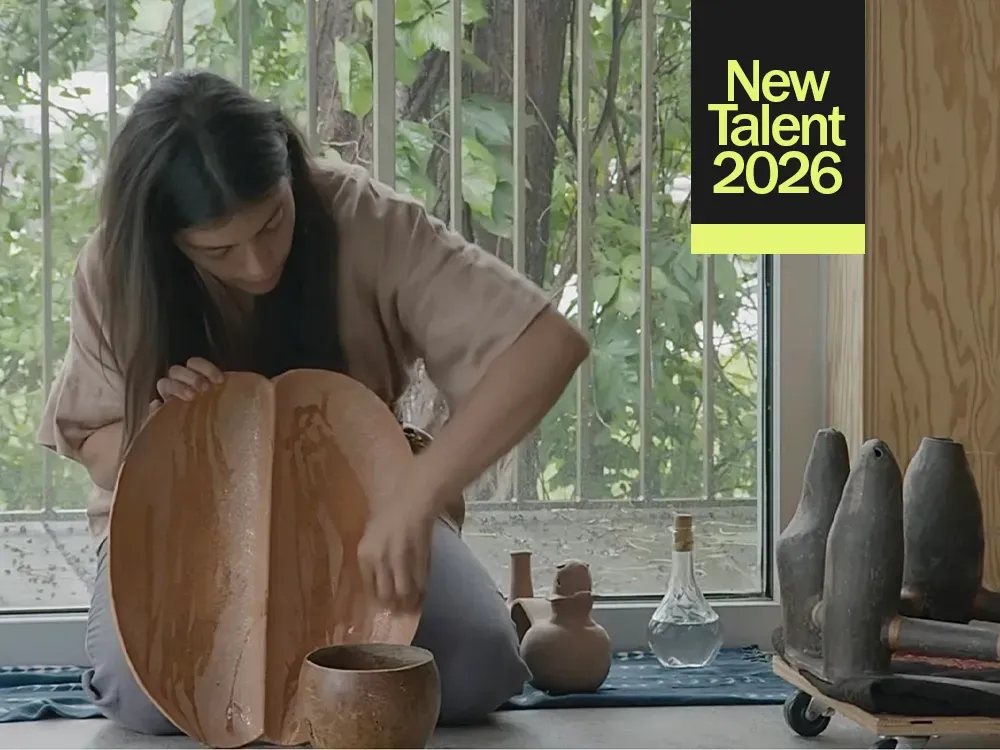
Koyoltzintli, an artist based in upstate New York, has a studio filled with flutes, whistles, and drums, all handmade. She's not just making instruments; she's channeling something much older, drawing inspiration from ancient ceramic practices and instruments from Ecuador's Pacific coast. Because apparently, some sounds are just too good to stay buried.
Her journey into the sonic past started, as many things did, in 2020. Stuck in the U.S. during the pandemic and unable to travel back to Ecuador, Koyoltzintli found herself haunting museums. There, she became captivated by ancient ceramics, convinced they once hummed, whistled, or boomed with sounds long lost to time. "Something woke up" inside her, she says, and suddenly, photojournalism was out, and clay that sings was in.
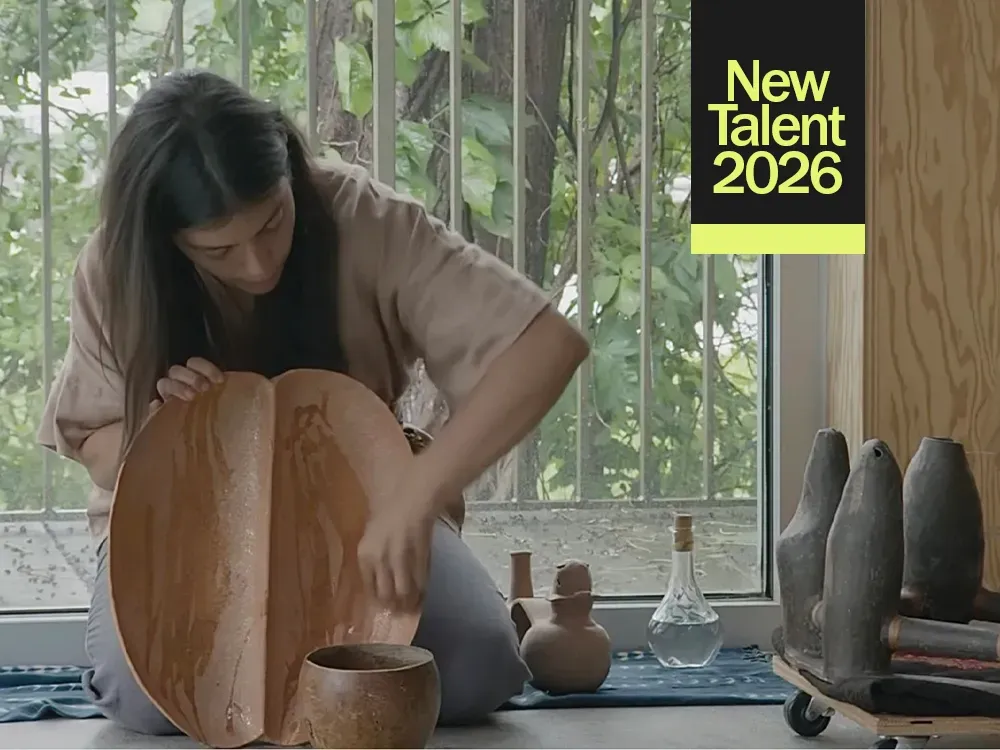
Now, her mission is to revive these silent instruments. She crafts her own, then organizes performances and workshops to share these resurrected traditions. She's even performed for fellow artists like Guadalupe Maravilla. Her installations are a full sensory experience, combining instruments with photographs, videos, and drawings that double as musical scores. Forget sheet music; try a drawing that looks like it belongs in an archaeological dig.
We're a new kind of news feed.
Regular news is designed to drain you. We're a non-profit built to restore you. Every story we publish is scored for impact, progress, and hope.
Start Your News DetoxGiving Voice to the Voiceless
Take her exhibition, "How to Play a Broken Bone," at the Al Held Foundation. For this, Koyoltzintli created works inspired by a centuries-old bone flute she acquired from a collector who, remarkably, had never actually heard it played. Which, if you think about it, is a bit like owning a vintage car and never starting the engine. She notes that instruments collected by those not focused on sound often remain, well, silent. A travesty, really.
The exhibition features large drawings based on the flute's carvings, alongside pieces from her "An arrow to the sky" series (2026), where she paints with liquid clay on linen. These are hung by windows, a nod to her upbringing where offerings were placed by windows for spirits. Because even spirits deserve good acoustics.
Then there's 9 Tz’lkin (2026), a ceramic water whistle so large it has columnar spires topped with candles. The title refers to a Mayan calendar day for ceremonies honoring water, fire, and the feminine—the piece itself combines earth, water, fire, and air. To activate the whistling, you pour liquid into a spout and swirl it, changing the internal air pressure. Koyoltzintli describes the resulting sound as "the wind that comes when you’re in front of the ocean." Which is both impressive and considerably more poetic than your average kettle.
It's a reminder that sometimes, the most innovative sounds are just really, really old ones, waiting for someone to listen a little closer.