Happy Monday, fellow humans with ears! Today, we're diving into a genre that took reggae, stripped it down to its rhythmic bones, and then rebuilt it with a whole new set of sonic special effects. Meet dub reggae, the electronic cousin you didn't know you needed.
While reggae and dancehall get most of the spotlight, dub has been quietly, profoundly shaping music for decades. It's the kind of sound that doesn't just play; it vibrates through you, born directly from Jamaica's legendary sound system culture.
The Mad Scientists of Sound
Dub music emerged in the 60s and 70s, not as entirely new compositions, but as a wild, experimental deconstruction of existing reggae tracks. Imagine a mad scientist in a studio, taking a perfectly good song, yanking out the vocals, and then focusing laser-like on the "riddim" – the bass and drum backbone.
We're a new kind of news feed.
Regular news is designed to drain you. We're a non-profit built to restore you. Every story we publish is scored for impact, progress, and hope.
Start Your News DetoxThen came the fun part: slathering on audio effects like reverb and delay, often to extreme, almost psychedelic degrees. Bits of vocals, stray instrumentals, even snippets from other songs would be woven back in, creating something both familiar and utterly alien. This wasn't just remixing; it was dubbing, a process so foundational it also became shorthand for emphasizing the bass and drums until they practically rattled your teeth.
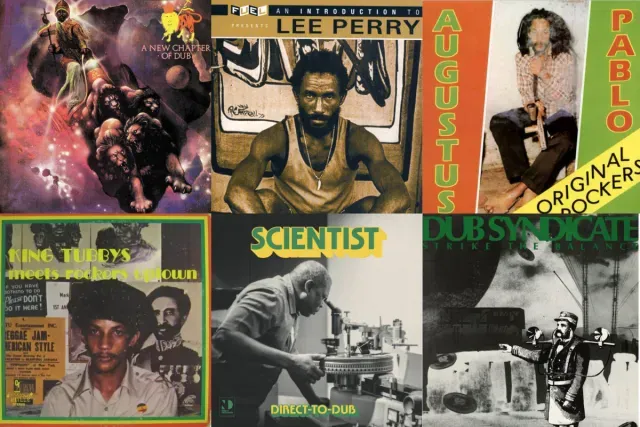
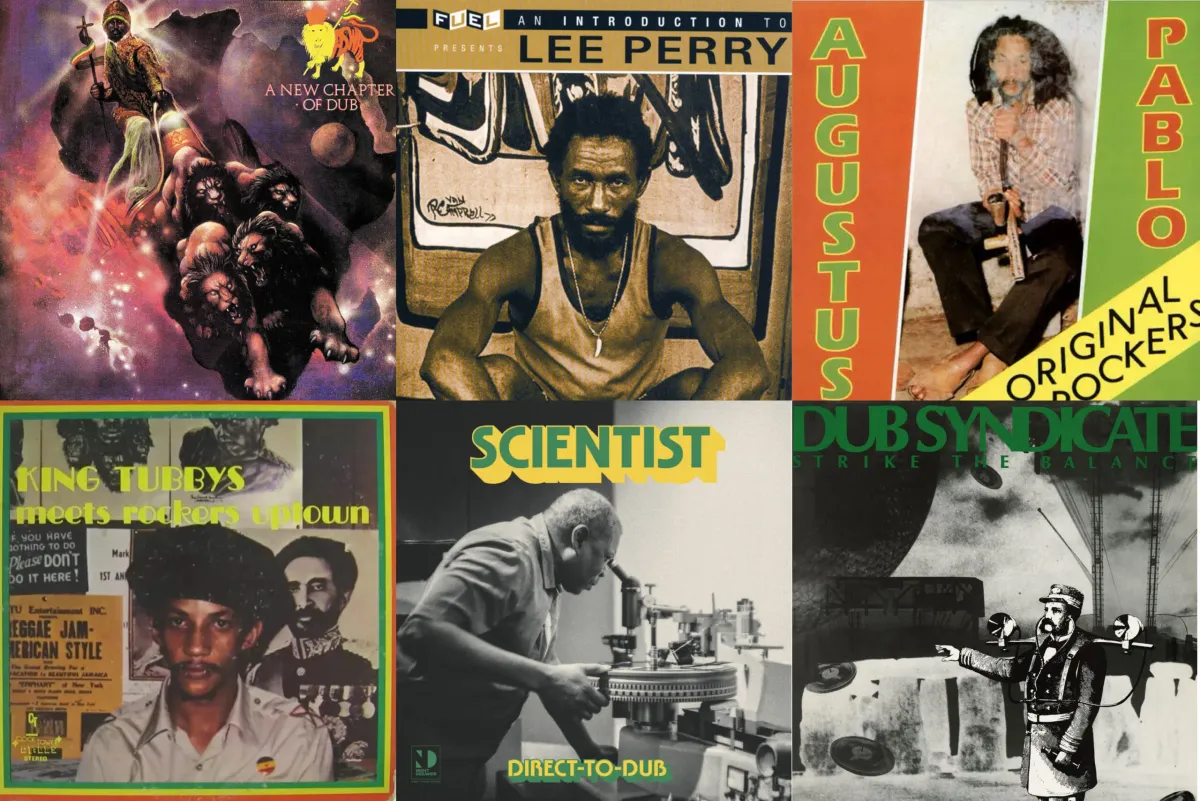
This collection features the work of the absolute titans of the genre: the legendary Lee "Scratch" Perry (who, let's be honest, had a name as wild as his productions), Osbourne Ruddock, better known as King Tubby, and Hopeton Overton Brown, aka Scientist. These are the pioneers who bent sound to their will, creating sonic landscapes that still feel fresh today.
And the ripple effect? Massive. Dub's echo can be heard everywhere from rock and hip hop to techno, ambient, house music, and even trip hop. It's the silent influencer, the background genius that taught countless producers how to truly play with audio. This collection isn't just a listen; it's a history lesson in how to turn a song into an experience.