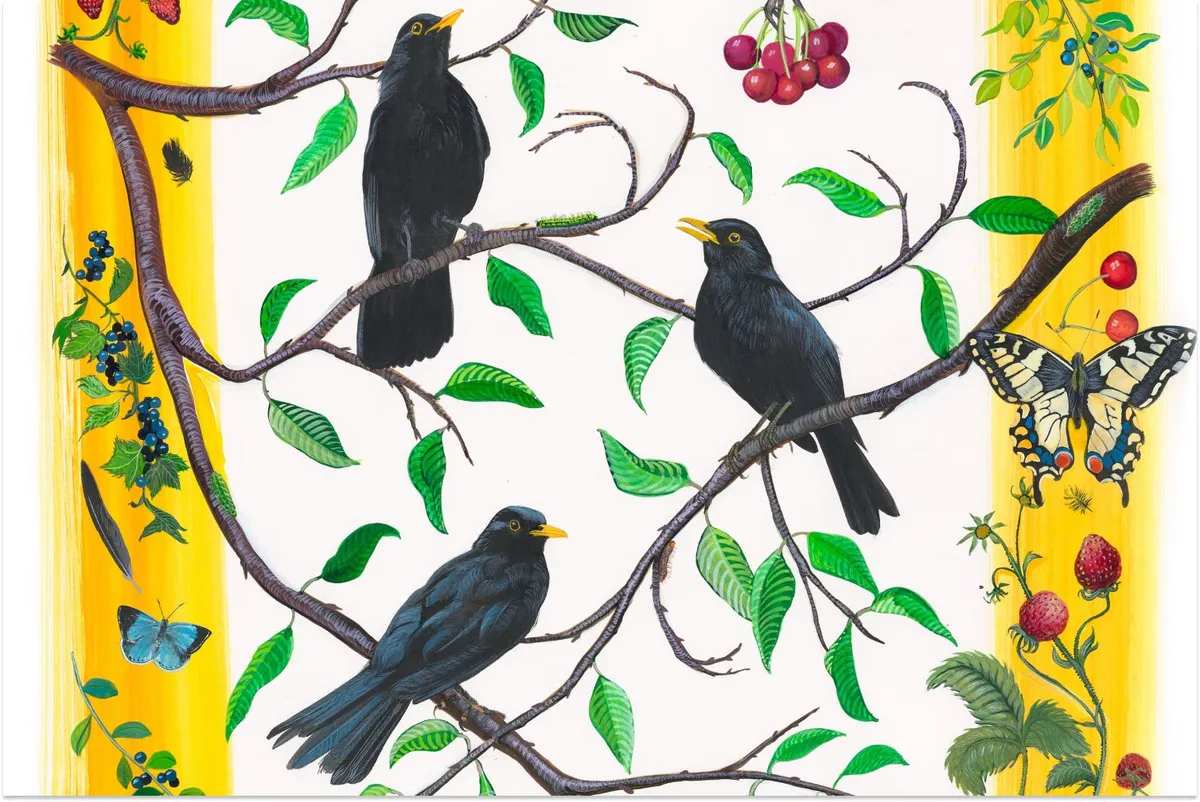
Missy Dunaway is painting every bird species mentioned in Shakespeare's plays. Her project, "The Birds of Shakespeare," combines art, history, and nature. She uses acrylic ink to create detailed images of birds, their feathers, eggs, and nests.
Dunaway also includes details from 16th and 17th-century history and folklore. This helps show the world Shakespeare lived in.
Bringing Shakespeare's Birds to Life
Dunaway's idea started in college when she realized how many birds Shakespeare mentioned. She began the project in 2021. To find all 65 bird species, she used two old texts: James Edmund Harting’s 1871 The Ornithology of Shakespeare and Alexander Schmidt’s 1971 Shakespeare Lexicon and Quotation Dictionary.
We're a new kind of news feed.
Regular news is designed to drain you. We're a non-profit built to restore you. Every story we publish is scored for impact, progress, and hope.
Start Your News DetoxShe believes people in Shakespeare's time knew a lot about birds. Bird life was more common and connected to human life back then.
For each painting, Dunaway writes an essay. These essays explain the "cultural consciousness of the time." For example, her painting of the blackbird shows it in a yellow garland. This symbolizes its link to springtime. Blackbirds were historically called "ouzels" and were connected to St. Kevin, a nature lover. Dunaway's painting even includes a gold rosary in the bird's nest.
Dunaway says Shakespeare's detailed writing makes his work a great "time capsule" for learning about early modern history.
Birds in Folklore and Literature
The pelican is Dunaway's favorite bird. In early modern folklore, it was a strong symbol of motherhood and religion. Stories told of a mother pelican hurting herself to feed her young with her own blood. Dunaway noted this was an "allegory for the Eucharist," which deepened her appreciation for the bird.
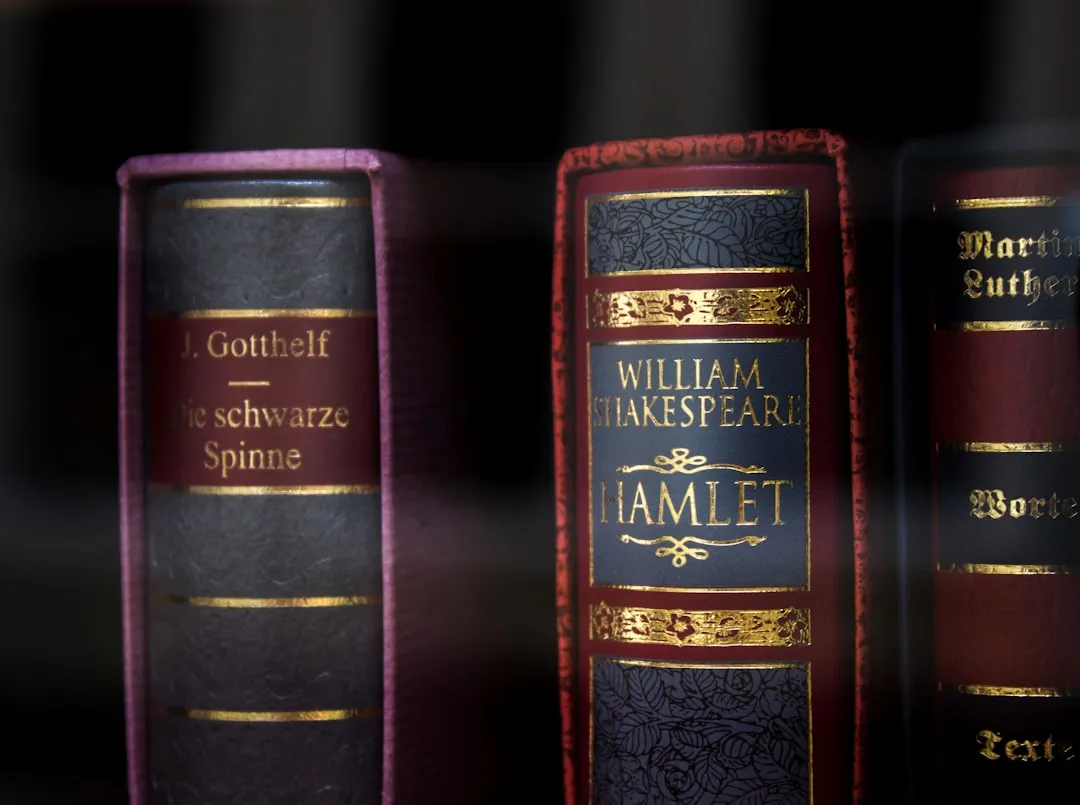
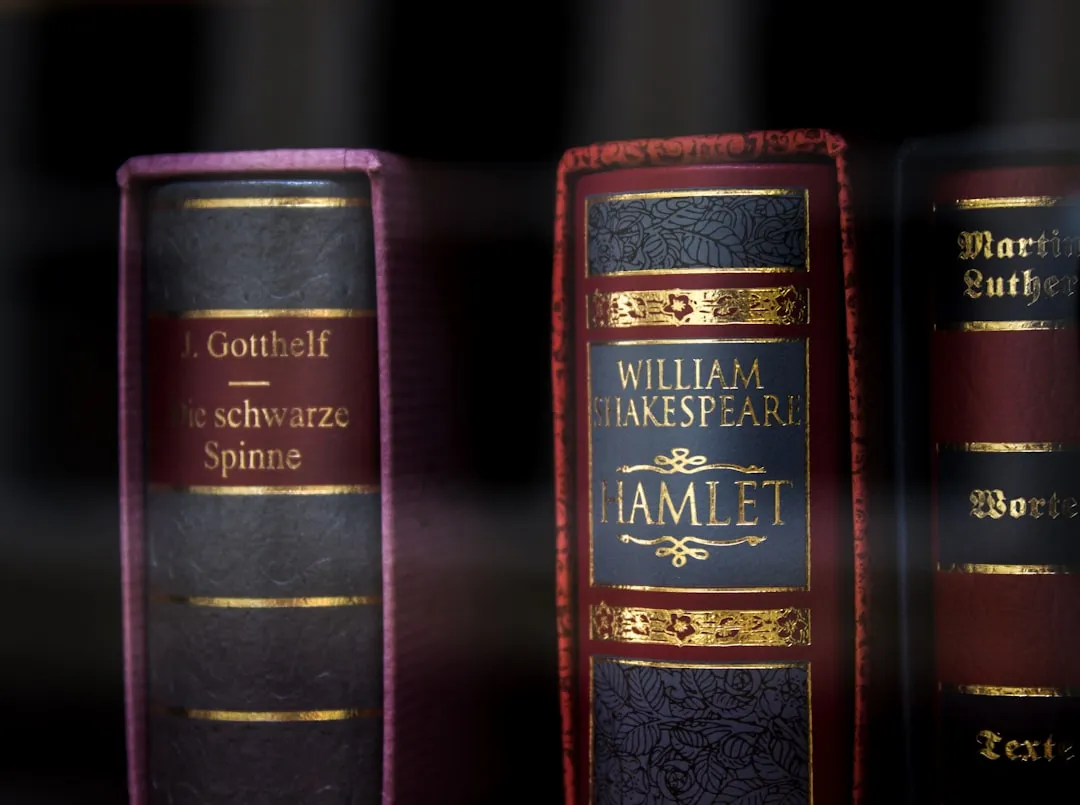
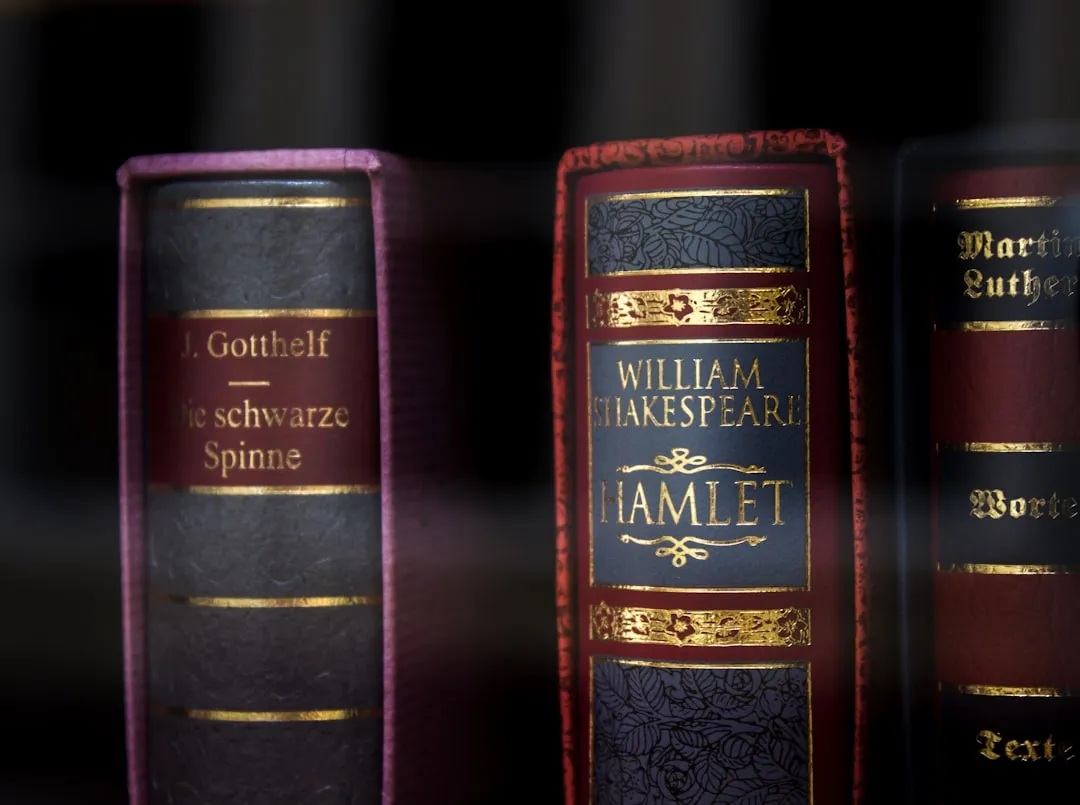
In Hamlet, Laertes compares himself to a pelican. He says he will act "like the kind life-rend’ring pelican" to get revenge for his father's death.
Literary critic Caroline F.E. Spurgeon wrote that Shakespeare showed "intense feeling and sympathy" for trapped birds. She said he was unique among writers of his time for understanding an animal's perspective and suffering. This was especially true for horses and birds, which he loved most.
Shakespeare grew up in Stratford-upon-Avon, a rural town full of nature. Even when he moved to London, he stayed connected to the environment. Theaters like the Globe were in marshlands, and cormorants swam in the Thames River.
The Folger Shakespeare Library's Institute gave Dunaway an Artistic Research Fellowship. Her work was shown in a 2025 exhibition. Haylie Swenson, from the Folger Institute, had "fun philosophical discussions" with Dunaway about combining old and new science.
Early modern natural history focused on describing nature. It didn't strictly separate humans from animals. Folklore often linked "real animal behavior" to stories. For example, kingfishers perch over rivers on clear days to find prey. Folklore said kingfishers brought good weather.
Ingrid Rochon, a research assistant at the Smithsonian’s National Museum of Natural History, notes that people in Shakespeare's time knew bird behaviors well. They could tell a nightingale from a lark, even though both are brown birds. As Shakespeare noted, one sings at night, the other in the morning.
This knowledge is key in Romeo and Juliet. Romeo and Juliet argue about whether it's morning, using bird calls to tell time. Juliet says, "It was the nightingale, and not the lark." Romeo replies, "It was the lark, the herald of the morn, / No nightingale."
Dunaway found that bird calls were as important as their looks or behavior in folklore. She realized she needed to paint two types of owls for her project. Shakespeare mentioned "an owl that hoots and an owl that screeches," and screeching owls don't hoot.
Connecting science and art can help people "fully understand" nature and "perhaps protect it," says Rochon. She adds that humanities help put unique bird traits into a relatable human context.
Dunaway also volunteered at a wildlife center. This gave her hands-on experience with owls, cormorants, and gray herons, all found in Shakespeare's plays. She believes her passions for science, art, and history influence each other, much like different ecosystems overlap and enrich each other.
Shakespeare's works show the powerful and constant presence of the natural world. Rochon, a birder herself, reminds us that nature is always accessible, just outside our windows.
Deep Dive & References
- The Ornithology of Shakespeare - James Edmund Harting, 1871
- Shakespeare Lexicon and Quotation Dictionary - Alexander Schmidt, 1971
- The Use of Imagery by Shakespeare and Bacon - Caroline F.E. Spurgeon
- The Eight Animals of Shakespeare; or, Before the Human - Laurie Shannon