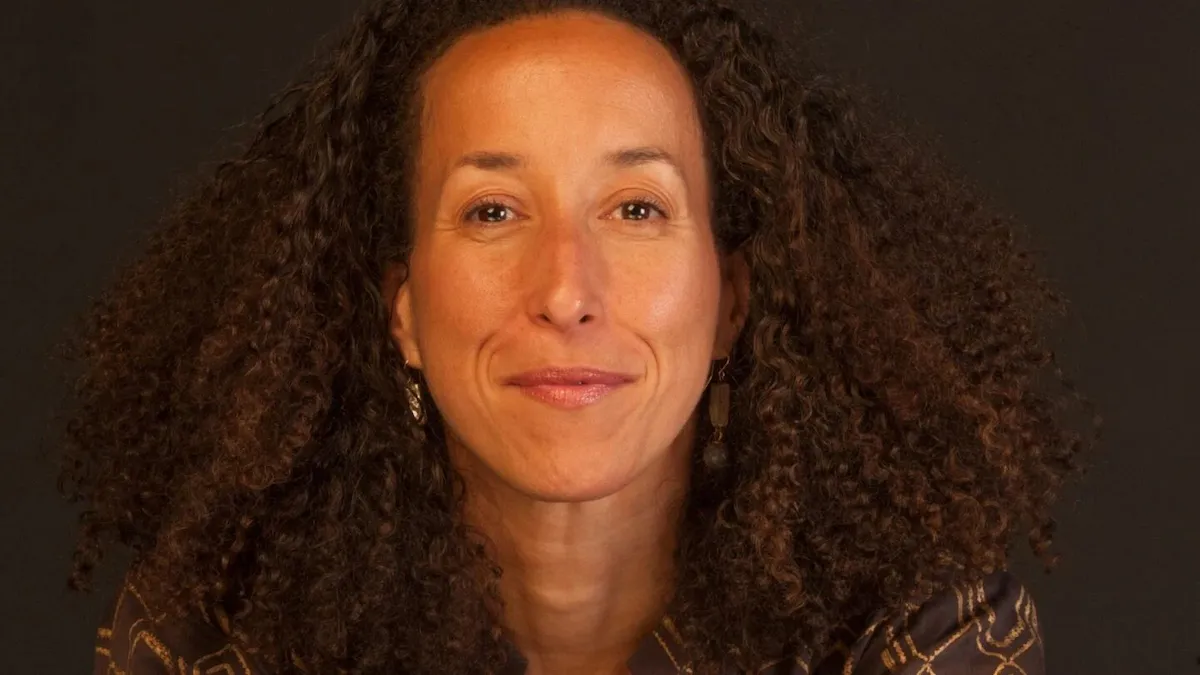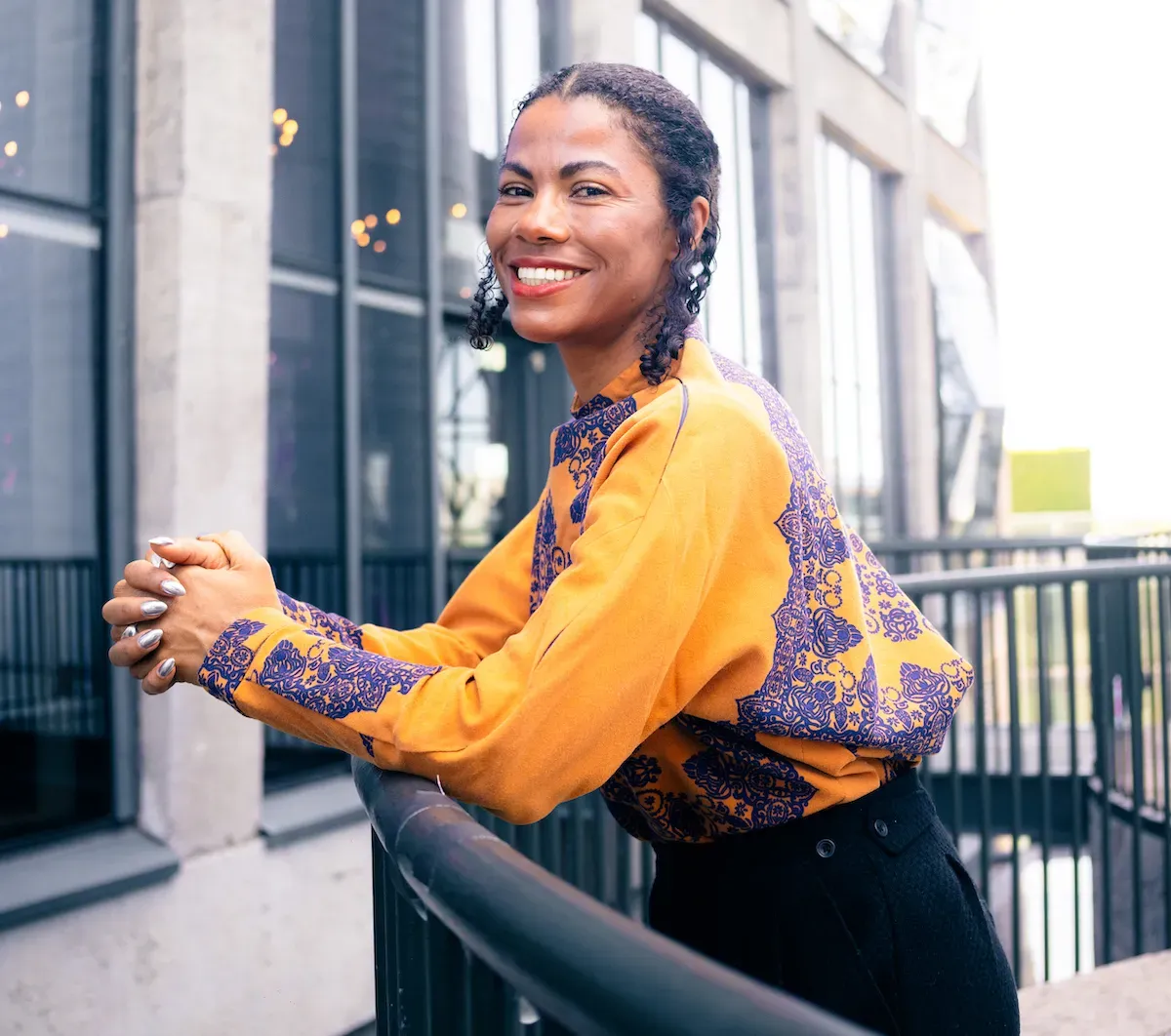
Picture this: a curator walks into an artist's studio in Accra, Ghana, and immediately gets it. That's exactly what happened when Beata America, from the prestigious Zeitz Museum of Contemporary Art Africa (Zeitz MOCAA), first encountered the work of Ghanaian-German artist Zohra Opoku.
America hadn't met Opoku before, but the museum's director, Koyo Kouoh, had always sung her praises. After a studio visit, America was hooked, describing herself as having "fell in love with her studio practice immediately." Which, if you think about it, is a pretty good day at the office for an artist.
From Studio to Spotlight
Fast forward a bit, and Opoku found herself with her very first museum survey show at Zeitz MOCAA. Titled "We Proceed in the Footsteps of the Sunlight" – a phrase plucked from the ancient Egyptian Book of the Dead – the exhibition opened last September. Opoku herself called the opportunity "surreal," especially given the legacy of the late Koyo Kouoh, whose "footprint is enormous" in the space.
We're a new kind of news feed.
Regular news is designed to drain you. We're a non-profit built to restore you. Every story we publish is scored for impact, progress, and hope.
Start Your News DetoxThe show, which wrapped up on October 4th, delved into three core themes: water (fluidity, daily rituals), breath (life, death), and ground (stability, identity, family). Because apparently, that's where we are now: art that actually makes you think about the essentials.
Opoku's journey from Germany to Ghana was pivotal. It allowed her to deep-dive into her father's heritage, connecting emotionally and spiritually with a past she was keen to understand. For her, the Zeitz MOCAA show isn't just an exhibition; it's a testament to her artistic evolution in Ghana.
Weaving Identity, One Thread at a Time
Opoku's work often shines a light on women's experiences. Take her 2016 piece, QueenMothers, which explores the powerful roles matriarchs play in southern Ghanaian communities. She even delved into the Akan concept of Sassa – an invisible spirit linked to unresolved issues of the deceased. She photographed queen mothers mid-Adowa dance, capturing both their spirit and their stunning attire.
Born in East Germany in 1976 to a Ghanaian traditional leader and a German mother, Opoku first visited Ghana in 2003 before making the move eight years later. It was there she truly felt at home, rooted in her heritage, and able to focus on her art.
Her medium? A captivating blend of textiles, photography, screenprints, installations, and sculptures. Textiles, in particular, have been a lifelong fascination. She grew up watching her grandmother handle fabrics and saw clothes on the line transformed into wind-sculpted art. With a background in fashion design and photography, Opoku often screenprints photos onto dyed fabric, then adds embroidery and collage. Her gallerist, Mariane Ibrahim, aptly calls her a "woven storyteller," creating "patches of stories in a sort of a continuum."
The Zeitz MOCAA exhibition highlighted Opoku's impressive range, from intimate pieces to works of "huge" scale and dynamism. It traced how her practice has "evolved, shapeshifted, and gotten to different levels" over a decade. Opoku herself recommends taking the time to read the work descriptions, noting that it "changes the entire experience." Because sometimes, the story behind the art is just as compelling as the art itself.