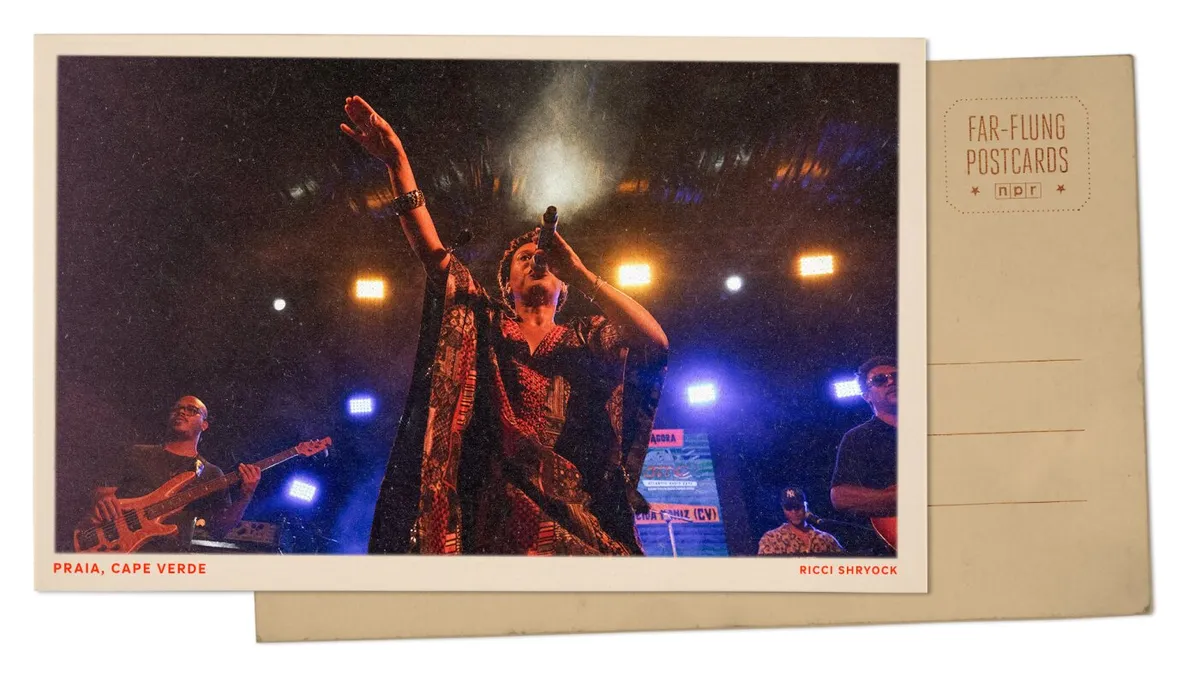
Imagine a place where the national currency features a singer, not a president. Where the sidewalks double as impromptu concert venues. And where, in a capital city of fewer than 200,000 people, it feels like every other person moonlights as a musician. Welcome to Cape Verde, a cluster of islands off West Africa that's basically a permanent music festival.
Here, the air is thick with morna — a soulful, melancholic ballad style that's a beautifully blended byproduct of African and Portuguese influences. It's the kind of music that makes you want to sit down, sip something strong, and listen. The late, great Cesária Évora, who brought morna to the global stage in the 90s, is so revered, her face graces the 2,000 escudo note. Because apparently, some things are more important than politicians.
The Soundtrack to a Nation's Rise
Every April, the capital city of Praia transforms into an international music hub, hosting both the Atlantic Music Expo and the Kriol Jazz Festival. Picture samba rhythms, jazz riffs, and those haunting morna melodies all swirling together on a steady Atlantic breeze. It's an auditory feast, and it just got a major upgrade: Cape Verde has been officially named the African Capital of Culture for 2028. Which, if you think about it, is both impressive and slightly terrifying for anyone who prefers quiet.
We're a new kind of news feed.
Regular news is designed to drain you. We're a non-profit built to restore you. Every story we publish is scored for impact, progress, and hope.
Start Your News DetoxBut the cultural accolades aren't the only thing setting this nation alight. For the first time ever, Cape Verde’s national soccer team has qualified for the World Cup. It's a massive achievement for any country, but for the second-smallest nation by population to pull it off? That's the kind of underdog story that makes you want to cheer, ideally with a morna soundtrack in the background.