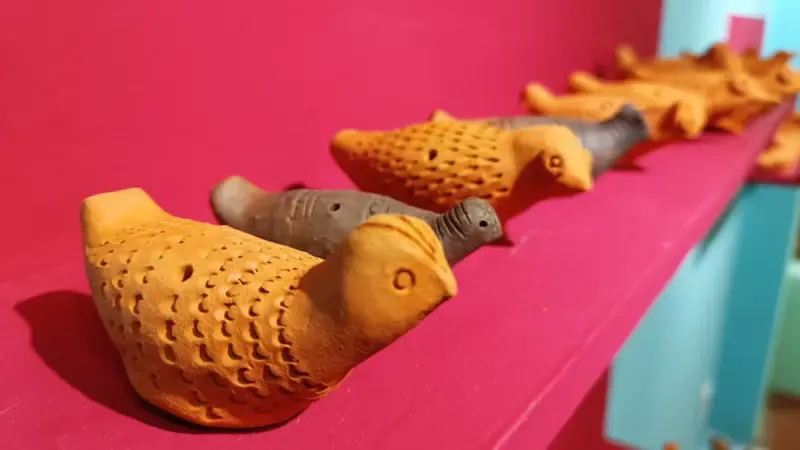
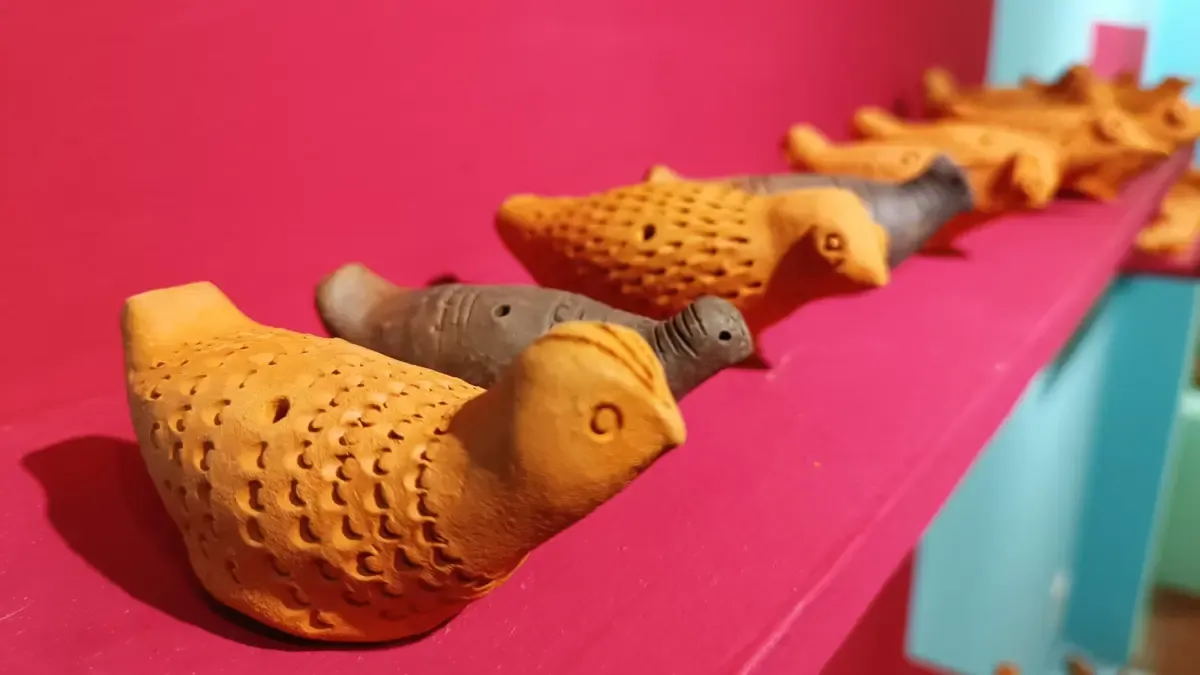
Meet the pilru: a small, bird-shaped terracotta instrument that holds more history and meaning than your average Grammy winner. For Nepal's Indigenous Tharu and Kumhar communities, it's not just music; it's a direct line to gods, spirits, and generations of tradition.
This isn't just about preserving an instrument; it's about reclaiming a cultural heartbeat. Thanks to Tharu artist Lavkant Chaudhary, a pilru recently made the journey from a quiet village in Western Nepal to an art store in Kathmandu Valley, a small but mighty step in a much larger movement.
More Than Just a Tune
Chaudhary’s project, aptly named "Pilru – Songs of Resistance," is a community-led charge to document, protect, and, crucially, reclaim the pilru. It's a handcrafted legacy, passed down through the Adivasi Tharu and Kumhar communities of the Tarai region, and it's facing some very modern threats.
We're a new kind of news feed.
Regular news is designed to drain you. We're a non-profit built to restore you. Every story we publish is scored for impact, progress, and hope.
Start Your News DetoxThe project isn't just archiving old instruments; it's recording the oral histories, the specific songs, and the intricate techniques. It centers community voices, showcasing the pilru not as some dusty relic, but as a living, breathing practice. Because apparently that’s where we are now: fighting for the right to play your own traditional instrument.
Roinu Chaudhary, 70, from Western Nepal, learned to craft and play the pilru as a child. He remembers playing it while grazing cattle and wandering through the jungle. He was recently honored in Kathmandu for keeping the tradition alive, a testament to the quiet power of cultural persistence.
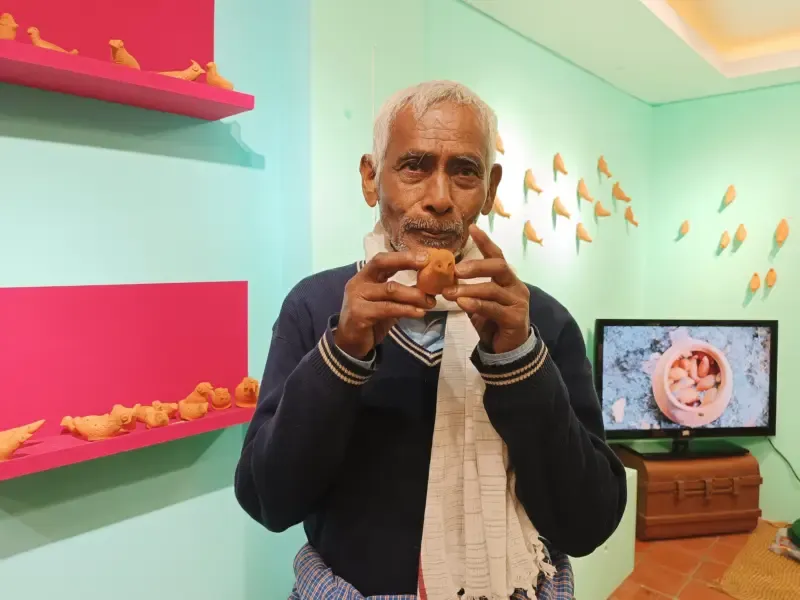
Another skilled player, Santu Chaudhary from Dang, can conjure music for any song with this humble clay bird. And the pilru isn't alone in its avian-inspired musicality; the xutuli, a similar clay or bamboo instrument from Assam, India, is believed to summon rain during the Bihu festival. Because sometimes, you just need a bird to get the job done.
The Unseen Battle of Appropriation
But here's the kicker: the project is also a direct challenge to cultural appropriation. Think of it this way: someone takes your family recipe, sells it, and then acts like they invented it. That's what's happening to the pilru and countless other Indigenous art forms. Non-Indigenous groups often copy and sell these creations without so much as a nod to their originators.
Esther Aburto Olague, an attorney, puts it plainly: traditional cultural expressions (TCEs) and traditional knowledge (TK) are the very soul of Indigenous cultures. These communities should have the fundamental right to control how their heritage is used. Using it without permission isn't just rude; it's a direct blow to cultural heritage.
As Facebook user Kopila eloquently stated in support of Lavkant's efforts, the fight is for authorship, dignity, and cultural justice. Indigenous artists deserve proper credit and benefits for preserving their TCEs and TK. Because if you're going to borrow from a culture, the least you can do is acknowledge the source. And maybe, just maybe, ask permission first.