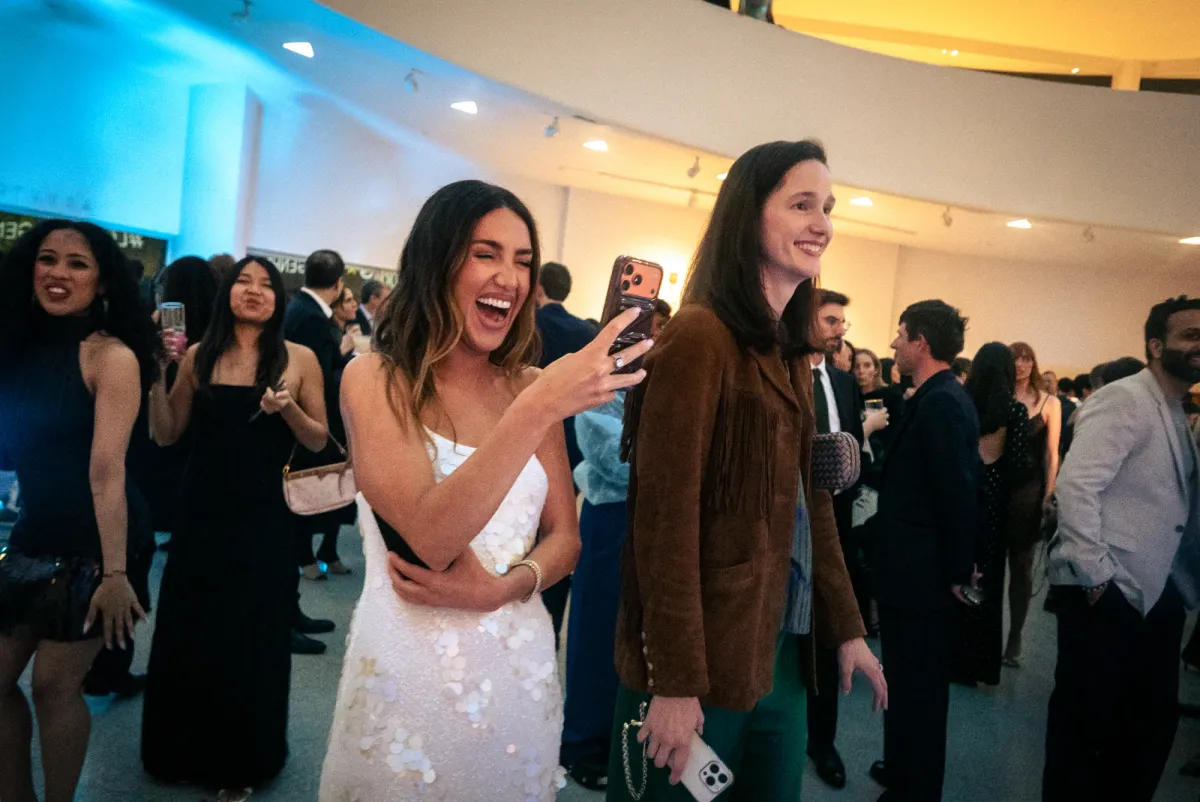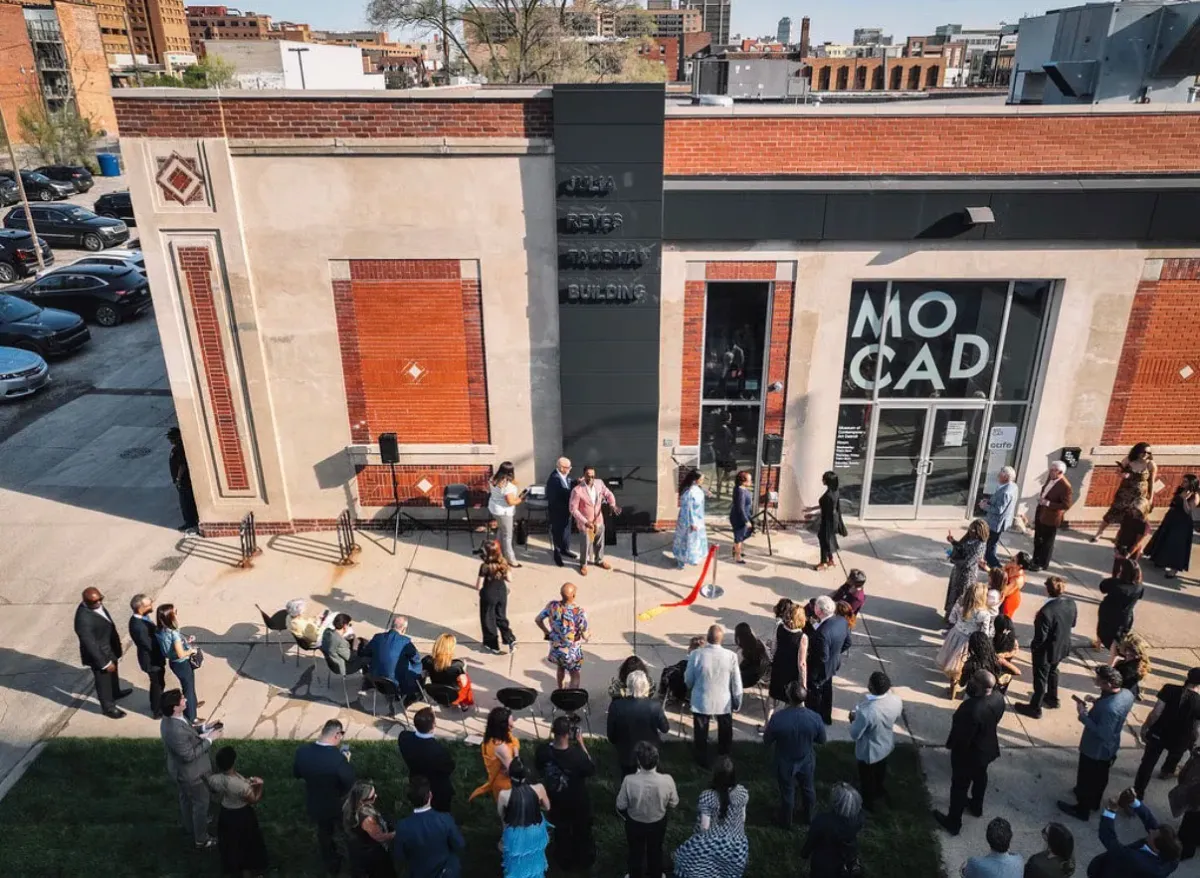
The Museum of Contemporary Art Detroit (MOCAD) is celebrating its 20th anniversary. It recently reopened after an eight-month renovation. The museum also has a new vision for its future.
A New Vision for Artists and Community
MOCAD's new vision puts artists at the center of everything. Jova Lynne, the artistic director, said artists will always exist, even if institutions don't. She serves as co-director with Marie Madison-Patton, the chief operating officer.
Lynne and Madison-Patton call this new chapter "A Practice of Multiplicity." It focuses on supporting artists in all parts of their lives. This means recognizing that artists might also have other jobs, raise children, or care for family. Lynne noted that all these experiences influence their art.
We're a new kind of news feed.
Regular news is designed to drain you. We're a non-profit built to restore you. Every story we publish is scored for impact, progress, and hope.
Start Your News DetoxThe recent renovation also focused on the community. It included important updates like a new HVAC system for the building, which used to be an auto dealership. The goal was to make the space more welcoming. A new Learning Studio near the entrance makes educational programs easier to access. The café is now a multi-use space for events. The building's facade also opens to the street, connecting it more with the neighborhood.
MOCAD does not collect art. Instead, it focuses on programs that encourage dialogue. The reopened museum features two surveys of Detroit artists, Olayami Dabls and Carol Harris. These artists have greatly influenced the city's creative scene.
"Carol Harris: This Side of the River" explores Detroit's changing spirit. Harris uses "material archeology" in her art, combining interior design with fiber art. Her work weaves together the city's history and culture through Black abstraction and quilting.
Olayami Dabls is a cultural historian. For over 40 years, his Dabls Mbad African Bead Museum has been a place for community connection. "Detroit Cosmologies" is the first full survey of his work. It sees the museum as a place for spiritual and collective healing. Madison-Patton believes art can transform people and communities and help create social change.
Collaborative Leadership and Community Roots
MOCAD was founded by three women: art critic Marsha Miro, dealer Susanne Feld Hilberry, and photographer Julia Reyes Taubman. They wanted to create a space for alternative exhibitions. After difficulties, they established an independent museum in a former auto dealership.
Miro said MOCAD's mission has always been to be part of the community. It aims to make people feel comfortable and feature local, national, and international artists.
Past exhibitions have focused on connections between cultures and generations. Examples include Mike Kelley’s Mobile Homestead and "The Gun Violence Memorial Project." The memorial project honored lives lost to gun violence.
Lynne and Madison-Patton continue this women-led, collaborative model as co-directors. This shared leadership allows them to defy traditional museum structures. Lynne explained that shared leadership encourages collaboration and accountability. Madison-Patton added that it lets them focus on their strengths and make the best decisions.
Lynne, as a practicing artist, uses her understanding of the artistic process to guide the museum. She knows that creative work needs time, thought, and care.
MOCAD's guiding principle is to meet people where they are. It aims to be a civic-centered arts institution that offers care, creative inquiry, and community commitment. Lynne described Detroit's community as ever-growing and connected.