Eid al-Adha, the Festival of Sacrifice, just wrapped up globally, marking the end of the Hajj pilgrimage and generally signaling a time for family, food, and reflection. But in Mogadishu, Somalia's capital, this year's celebration carried an extra layer of significance: a city cautiously, but visibly, rebuilding.
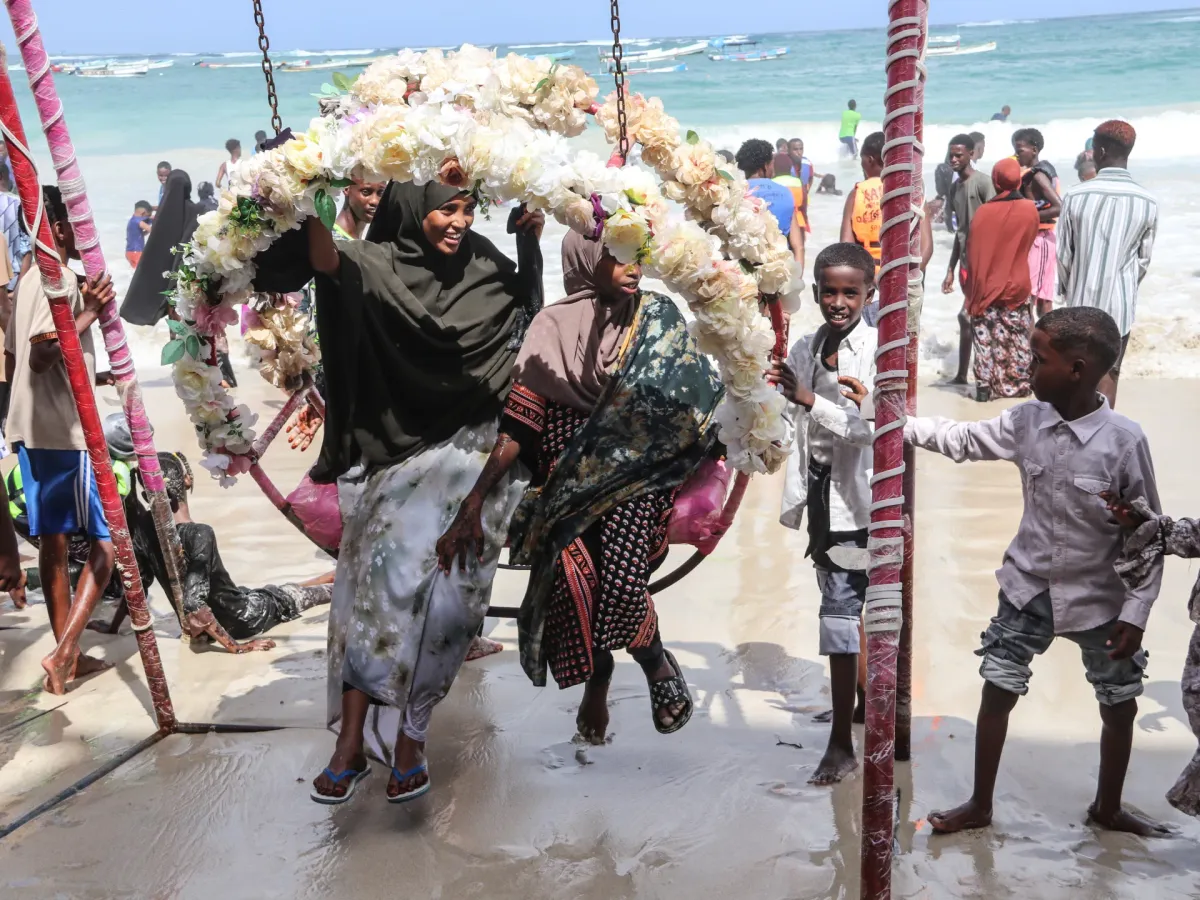
Families flocked to morning prayers, then visited relatives, shared special meals, and took the kids out. Lido Beach, Darus Salam Zoo, and the bustling Maka al-Mukarama Road were all popular spots. Which, if you know Mogadishu's recent history, is a bigger deal than it sounds.
The Quiet Return of Normalcy
For decades, Mogadishu has been battling al-Shabab, an al-Qaeda affiliate, earning it the grim title of one of the world's most dangerous capitals. But a slow, steady improvement in security has started to change the script. Suddenly, there are new cafes, restaurants, and actual recreational spots popping up. Imagine that: a city investing in joy.
We're a new kind of news feed.
Regular news is designed to drain you. We're a non-profit built to restore you. Every story we publish is scored for impact, progress, and hope.
Start Your News DetoxSomalia's President Hassan Sheikh Mohamud even spoke at the Islamic Solidarity Mosque during Eid, acknowledging the security strides and, rather reasonably, asking everyone to help keep the peace. Because apparently, that's where we are now – asking citizens to help protect their new normal. Meanwhile, the Ali Jimale Mosque, the country's largest, saw its usual massive crowds for prayers.
A core tradition of Eid al-Adha is the ritual sacrifice of livestock, a symbolic act remembering Prophet Ibrahim's willingness to sacrifice his son. The meat is then shared with family, neighbors, and those less fortunate, emphasizing community and charity. A beautiful sentiment, made a bit harder by current realities.
Because while security is improving, other challenges persist. Livestock costs have shot up thanks to failed rains and ongoing drought. A UN hunger monitor has warned of famine risks, with 6.5 million people in Somalia facing "high levels of acute food insecurity." Add in ongoing conflict and political squabbles, and it's clear that while Mogadishu is finding reasons to celebrate, it's doing so with its eyes wide open to the road ahead.