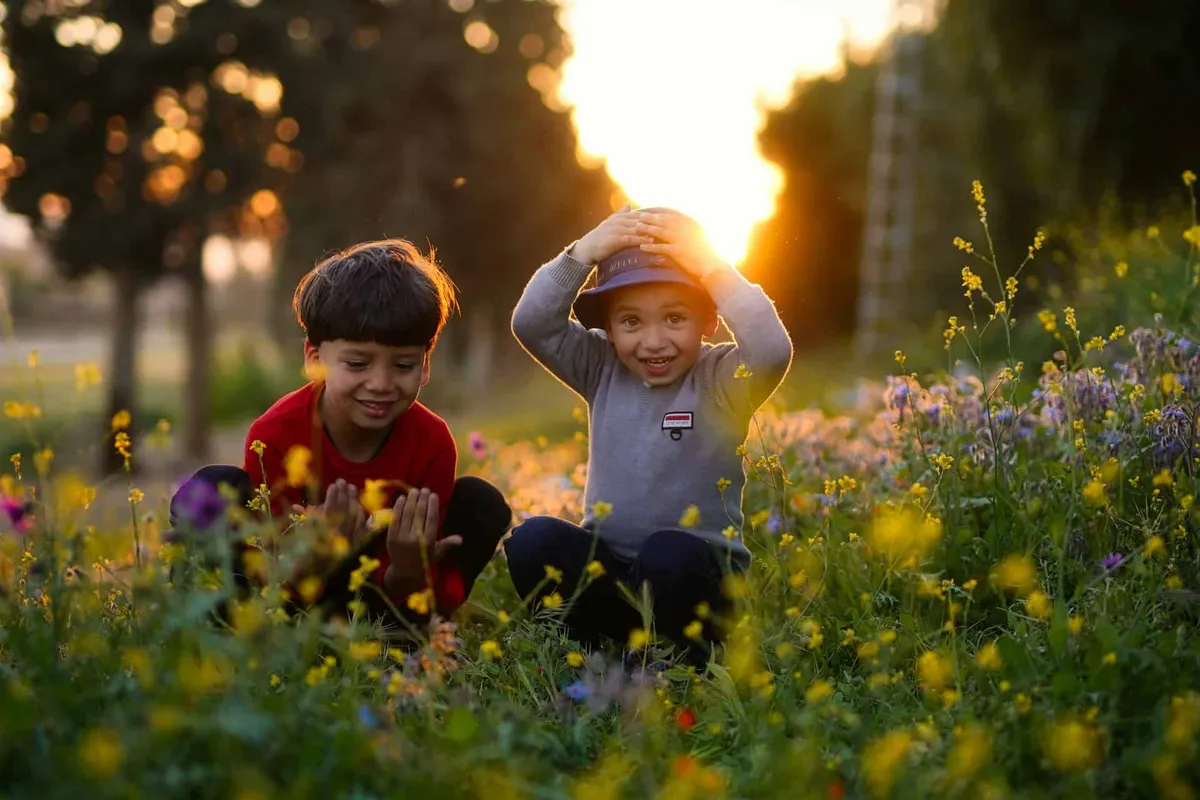
Apparently, the future isn't just for the adults to worry about. A new survey, conveniently timed for International Day of Hope, found that young people aren't just crossing their fingers about the world — they're actively plotting how to make it kinder, fairer, and a whole lot greener.
When hundreds of children were asked to brainstorm world improvements, their ideas ranged from tackling global crises to simply being nicer. This isn't just cute; it's part of a growing trend where, despite all the doomscrolling, young folks genuinely believe they can shape what's next.
The Kids Are Alright (and Ambitious)
A poll by The Week Junior of its young readers discovered a rather impressive statistic: 97% felt they could make a positive difference. And 63% were straight-up hopeful about the future. (Though, predictably, the younger kids were a bit more starry-eyed than their older, slightly more jaded counterparts.)
We're a new kind of news feed.
Regular news is designed to drain you. We're a non-profit built to restore you. Every story we publish is scored for impact, progress, and hope.
Start Your News DetoxNow, this was a magazine poll, so it's not exactly the definitive word on all children. But its core finding — a fierce sense of personal agency despite a looming cloud of anxiety — echoes in some much larger studies.
Take The King's Trust Youth Index, which surveyed 4,285 people aged 16 to 25 in the UK. A solid 70% were dead set on hitting their goals, and nearly a quarter wanted to make a tangible splash in their community or society. The catch? A rather significant 53% admitted to feeling anxious about their future daily. Because apparently that's where we are now.
A similar vibe popped up in the UK Youth Poll 2026. This one, polling over 2,000 people aged 16 to 29, found that only 36% expected a better life than their parents. That's a sharp drop from 63% just a year prior. Yet, defying expectations, 73% had still jumped into at least one political or community activity in the past year. Because if you're going to be anxious, you might as well be productive.
Their Master Plan for Humanity
The younger readers in The Week Junior poll weren't shy about their priorities. Roughly 40% put climate and nature at the top, suggesting everything from planting trees and protecting wildlife to cleaning oceans and, bless them, reducing plastic. One child, presumably channeling Captain Planet, declared, "I'd get everyone to do one little thing each day to help the environment."
Almost a third (31%) chimed in about kindness, equality, and fairness. Another 28% wanted to end wars, which, fair enough. And if they were Prime Minister? They'd focus on making people feel safe, improving education, planting more trees, and, rather brilliantly, offering free therapy. Because even kids know we could all use a little more of that.
Their worries weren't just about the big, existential stuff either. Research by The Children's Society, surveying 2,007 UK children aged 10 to 17, found 40% fretting over rising prices and 43% stressing about good grades. Nine percent reported low overall well-being. Turns out, constant negative news and online content can make young people feel a tad overwhelmed. Who knew?
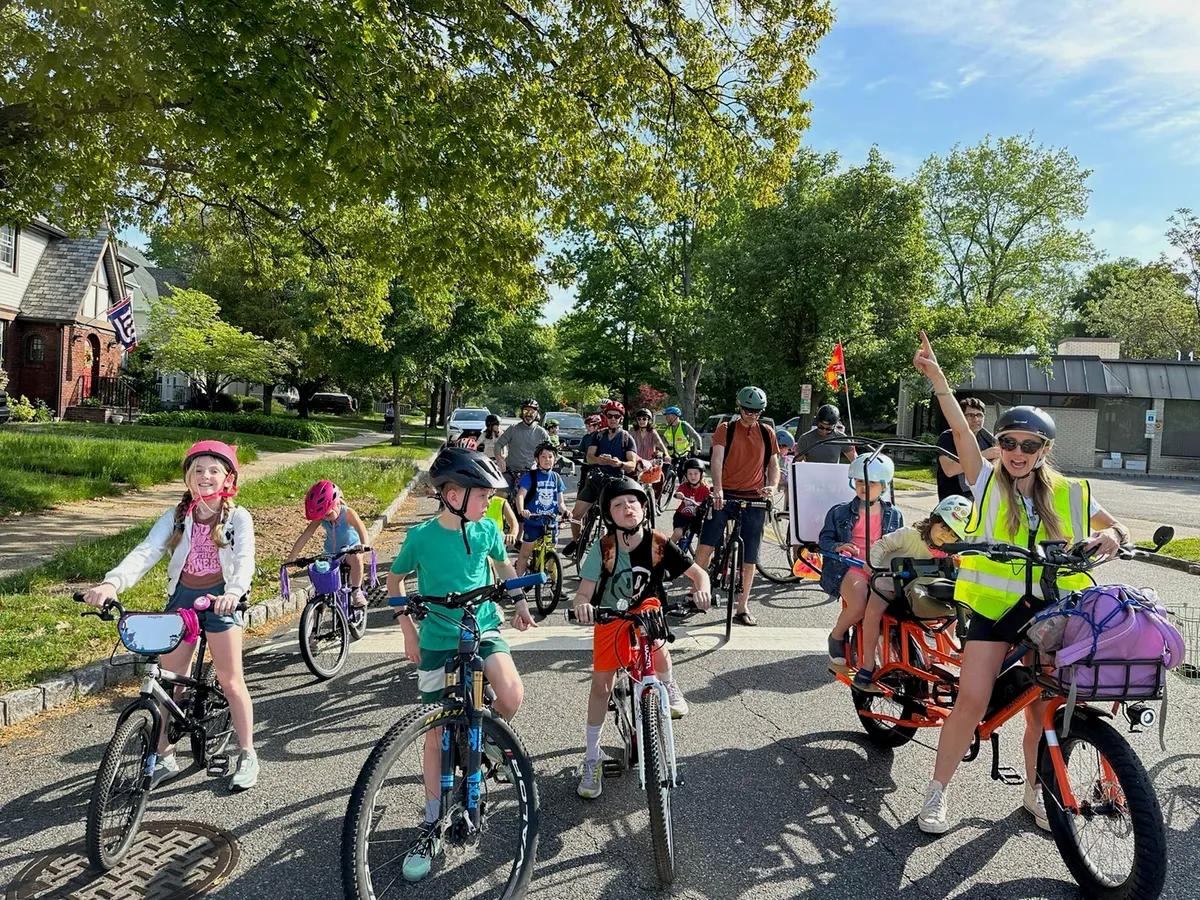
What remains remarkably strong is their conviction that action, especially local action, actually matters. In The Week Junior poll, 59% already belonged to a community-helping group — think Scouts, sports teams, school clubs, or volunteering. And for those not in a group, 58% wanted to join one. Because apparently, collective action is still cool.
Kids recounted planting flowers at school, picking up litter, volunteering at Parkrun, and coaching younger children. Nine-year-old Vidhi even raised over £6,000 for Spread a Smile, a charity supporting children in hospitals. Let that satisfying number sink in.
Technology, as expected, was a mixed bag. Just over half (51%) were a bit wary of AI. In contrast, 29% felt positive, and a pragmatic 20% were unsure. One reader summed it up perfectly: "I have used it and it is really helpful but I also think it is a bit creepy. It knows everything!" Which, if you think about it, is both impressive and slightly terrifying.
When asked to define hope, children offered gems like "a bright safe future for all," "feeling like you are accepted and can make a difference," and "doing the right thing and seeing it start to make a positive difference." Turns out, the kids are more than alright; they're actively building the future, one small, hopeful action at a time.