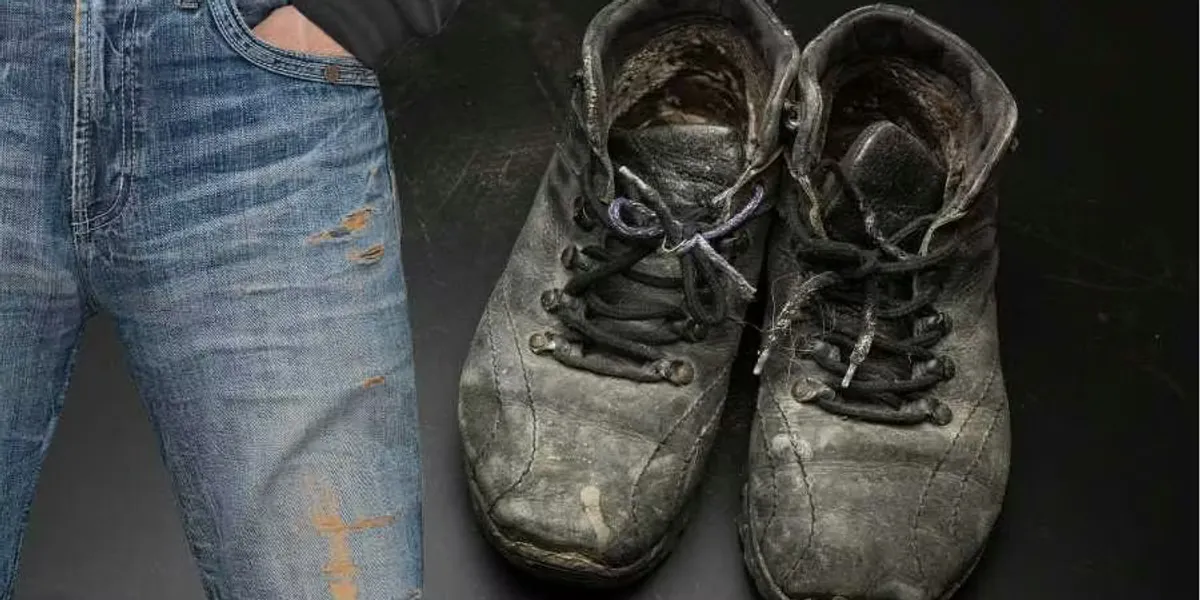
You know a problem is bad when it takes home a James Beard Media Award — not for a recipe, but for a book about how truly awful it is. Eating Behind Bars: Ending the Hidden Punishment of Food in Prison just won one of the culinary world's most prestigious honors, not for its deliciousness, but for its stark look at how prison food affects incarcerated people.
Written by Leslie Soble, Alex Busansky, and Aishatu R. Yusuf from the criminal justice nonprofit Impact Justice, the book doesn't just catalog the misery. It also highlights how Impact Justice uses healthy food programs to help people successfully re-enter society after prison. Because apparently, even something as basic as a decent meal can be a form of hidden punishment.
The Not-So-Hidden Crisis on a Plate
Alex Busansky, President and Co-Founder of Impact Justice, put it bluntly: food is everywhere, yet getting the food world to care about criminal justice is a Herculean task. Impact Justice, founded in 2015, isn't just talking; it's researching and running programs. Eating Behind Bars grew from a 2020 report based on hundreds of surveys and interviews with prison staff and formerly incarcerated individuals.
We're a new kind of news feed.
Regular news is designed to drain you. We're a non-profit built to restore you. Every story we publish is scored for impact, progress, and hope.
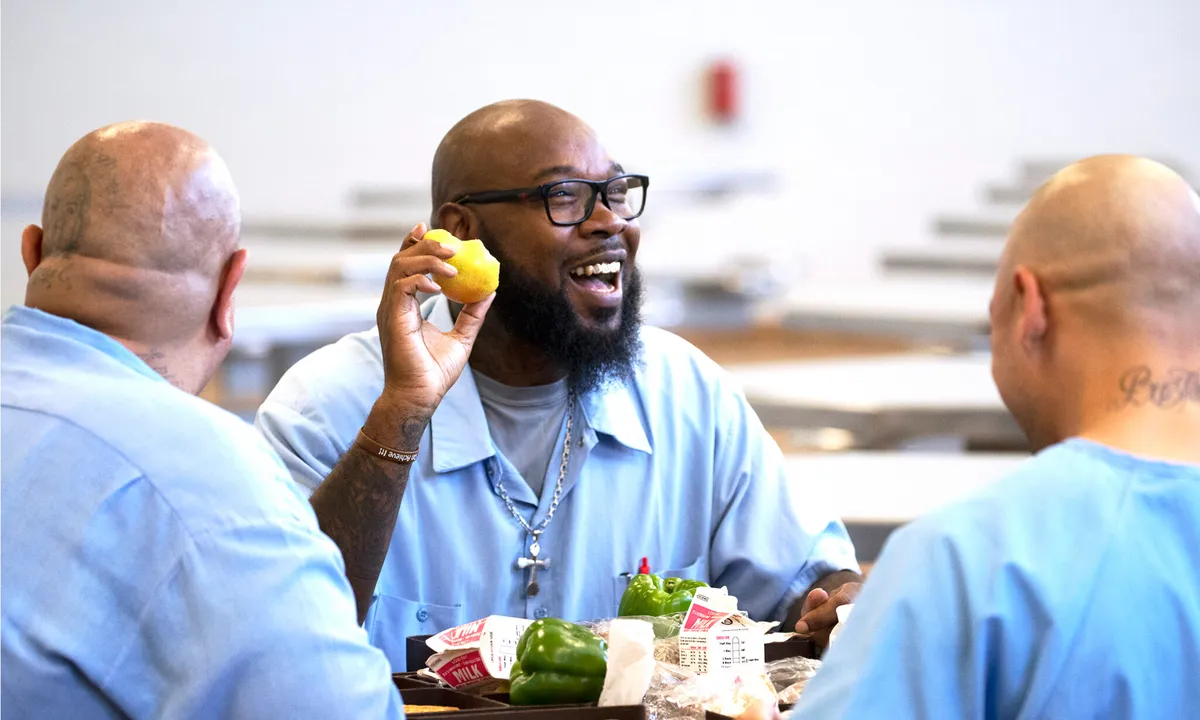
Start Your News DetoxThe findings? The book's first section, "Hidden Crisis," lays it all out. U.S. prison food is often bland, unhealthy, moldy, and spoiled. And yes, sometimes it comes with bonus rats or cockroaches. A staggering 94% of people surveyed reported not getting enough food to feel full. Even more unsettling, many working in prison kitchens were forced to cook and serve meat explicitly labeled "not for human consumption." Let that sink in.
From Punishment to Pears
Impact Justice believes the real question isn't why prison food is so bad, but how to make it better. Busansky's observation is sharp: not every criminal justice problem needs a criminal justice solution. "This is a problem that can be solved," he noted. "We know how to feed people—we do it in baseball stadiums, the military, schools, hospitals and nursing homes. We know how to feed them good food... Since we know how to solve that, how do we go about doing that?" Indeed.

Over the past few years, Impact Justice has launched pilot programs to transform the food experience behind bars.
One shining example is the Chefs in Prison program, which revamped kitchen operations and menus in Maine prisons. Former Noma chef Dan Giusti (yes, that Noma) led these changes, incredibly, at no extra cost. Another initiative, Harvest of the Month, brought a rotating selection of local, fresh fruits and vegetables to inmates in California's 31 state prisons.
Aishatu R. Yusuf, Impact Justice’s VP of Innovation Programs, shared a moment that perfectly captures the impact: "Last year, we had pears delivered, and we had a gentleman that ate a pear and had the biggest smile on his face. When asked why he was so happy, he said he hadn’t had a pear in 18 years."
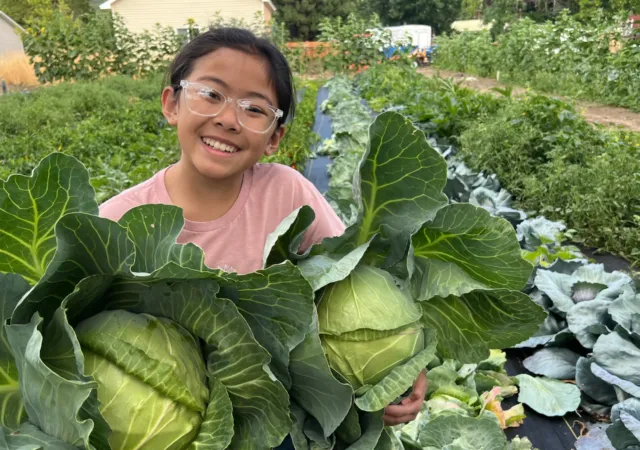
Beyond the human dignity, there are economic benefits too. A 2023 report highlighted that California's Department of Corrections and Rehabilitation is the state's largest food buyer. By connecting prisons with regenerative farms through Spork Food Hub, Impact Justice is building a circular economy that supports small businesses.
Impact Justice is one of the few organizations championing a more sustainable and equitable prison food system. They're pushing a simple, yet profound idea: good food isn't a luxury; it's a basic human right, even for those incarcerated. As Yusuf puts it, "We’re not talking about gourmet Michelin-star restaurants here. We’re talking about lettuce—food that’s not moldy, that is fit for human consumption, that is nutritious."
Because apparently, that's where we are now: fighting for non-moldy lettuce.