Imagine moving into a charming, centuries-old mansion, only to discover your backyard is actually an ancient burial ground. That's precisely what happened at Casa del Mendrugo in Puebla, Mexico. In 2010, a routine excavation in the courtyard unearthed a burial site over 2,000 years old. Because apparently that's where we are now.
Archaeologists found the remains of at least three people, including a woman in her 60s, buried with an offering from a staggering 3,500 years ago. Nicknamed "Chuchita," she lived in the area long before Puebla was even a twinkle in a 16th-century colonist's eye. Her discovery was so significant, it led to a museum opening right on the building's first floor, where these ancient residents now greet visitors.
The Last Amo's Bone Collection
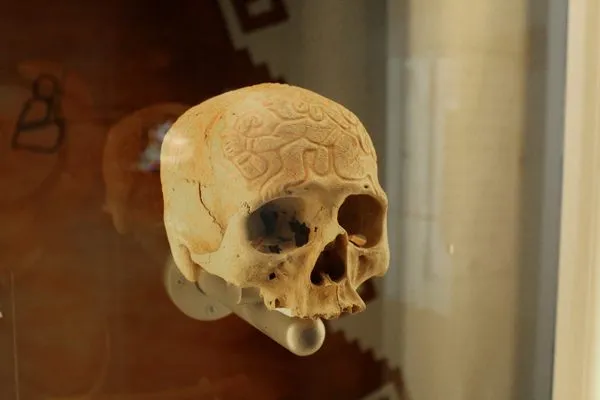
But wait, there's more. The museum also houses a collection that sounds like something straight out of an Indiana Jones movie. It belonged to Mr. Jorge Roberto Ortiz-Dietz, who, before his death, donated a trove he'd kept hidden for years.
We're a new kind of news feed.
Regular news is designed to drain you. We're a non-profit built to restore you. Every story we publish is scored for impact, progress, and hope.
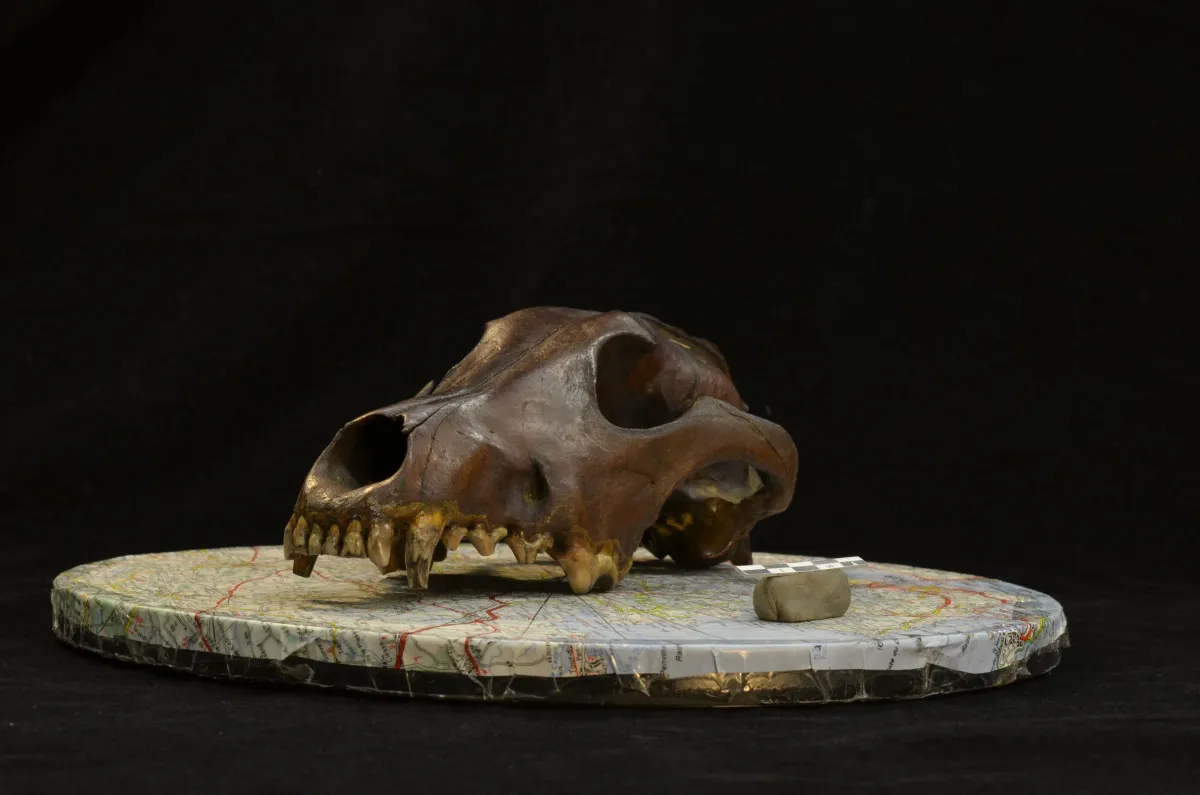
Start Your News DetoxOrtiz-Dietz was the last "amo" from Alteca, a remote mountain town in Oaxaca that somehow maintained its ancient customs well into the 20th century. "Amos" were a small group of men chosen as children, whose skulls were intentionally deformed to mark them as leaders of justice and ritual. When an amo died, their skull was intricately carved with obsidian to depict scenes from their life, then kept for ceremonial use. Ortiz-Dietz, the last remaining amo around 1985, held onto these incredible artifacts before moving to Puebla. He donated them to the museum in 2012, where these carved skulls and bones are now displayed with detailed explanations. Which, if you think about it, is both impressive and slightly terrifying.
Beyond ancient skeletons and ritualistic skulls, the museum also showcases a vibrant collection of ancestral Talavera pottery. This distinctive craft, along with its intricate making process, is so culturally significant that UNESCO has recognized it as part of humanity's intangible cultural heritage. Local artisans continue to produce it today, keeping a key piece of Puebla's identity very much alive.
And because all that history can work up an appetite, the mansion also features a restaurant serving traditional Poblano dishes like mole poblano and chalupas, a gift shop, and a coffee shop. Because nothing says "ancient mysteries" like a good cup of joe and some retail therapy.