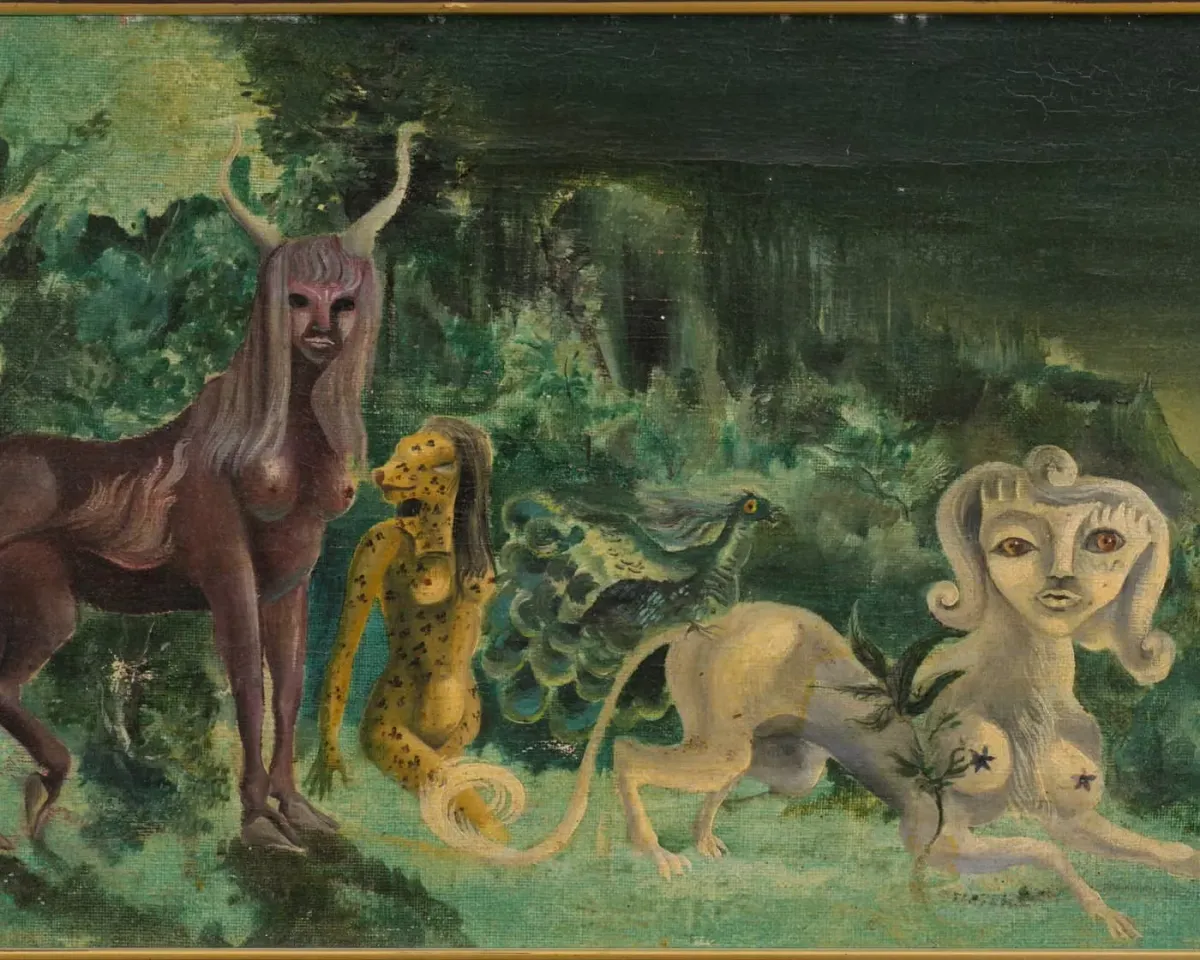
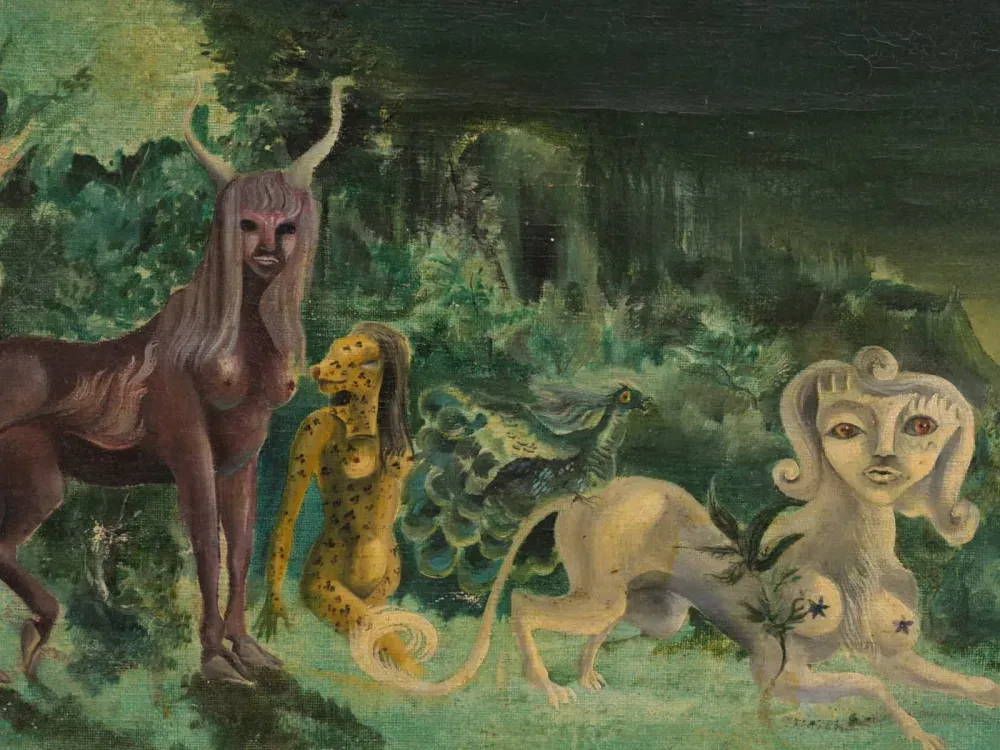
Imagine a painting, created by a British-born Mexican Surrealist legend, locked away in a private collection for eight decades. Now, imagine it's finally seeing the light of day, and it's from one of the most tumultuous periods of her life: a Spanish sanatorium.
That's the story of Leonora Carrington's Villa Pillar, a 1940 work that's now part of "The Symptomatic Surreal" exhibition at London's Freud Museum. The show, which has been extended until August 10th, traces Carrington's intensely dramatic artistic journey from 1938 to 1941. After its London run, it packs its bags for the new Faro Santander art center in Spain this September.
The Sanatorium and the Surreal
Carrington, who passed away in Mexico City in 2011 at a spry 94, has been enjoying a well-deserved resurgence lately, particularly among women surrealists. The 2022 Venice Biennale, famously titled "The Milk of Dreams" after her own book, really put a spotlight on her.
We're a new kind of news feed.
Regular news is designed to drain you. We're a non-profit built to restore you. Every story we publish is scored for impact, progress, and hope.
Start Your News DetoxThis exhibition, however, dives deep into a particularly raw chapter. It follows her frantic escape from Nazi-occupied France, her involuntary stay in a sanatorium in Santander, Spain, and her eventual move to New York in 1941 to join her fellow Surrealists. Quite the itinerary, if you think about it.
Villa Pillar was born during that sanatorium period. Under the care of psychiatrist Luis Morales, Carrington drew daily. She created Villa Pillar and another piece, Down Below, during this time — a period she later described as "being dead." Which, if you look at the artworks, feels less like hyperbole and more like a dry, accurate observation.
A Doctor's Secret, Now Public
Carrington actually gave Villa Pillar to Dr. Morales. And his family, bless them, held onto it for generations. It wasn't until researchers from the Faro Santander art center came knocking that the painting finally emerged from its long, private slumber. They managed to convince the Morales family to loan the painting for public viewing, which is no small feat when you're talking about a piece of art that's been a family secret for 80 years.
Curator Vanessa Boni noted the painting's quiet journey. "As we know from her memoir, it was really traumatic," Boni told The Guardian. "Dr Morales kept the painting his entire life, and when he passed away, it was handed down to his daughter." So, a doctor's quiet respect for his patient's art has finally given the rest of us a glimpse into a crucial, and deeply personal, moment in art history.
It's a reminder that sometimes, the most profound stories are the ones that take the longest to tell.