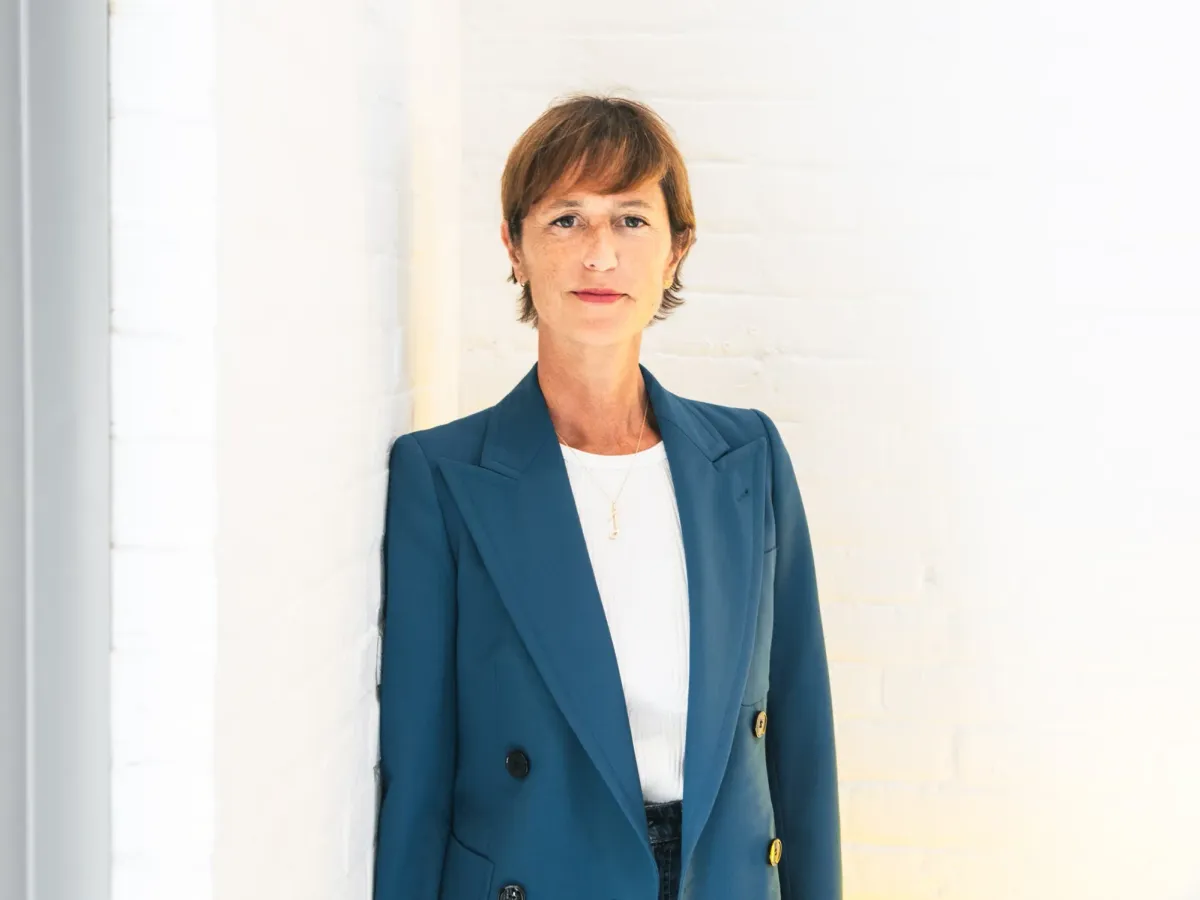
After more than ten years of expanding horizons at the Dia Art Foundation, Jessica Morgan is heading back across the pond. She's been tapped to lead the entire Tate museum network, starting January 1, 2027. Which, if you think about it, is both impressive and slightly terrifying given the sheer scale.
This isn't just any art job; it's arguably one of the biggest in the global art world. Morgan will be overseeing Tate Modern and Tate Britain in London, plus their outposts in Liverpool and St. Ives. She's stepping into some big shoes, taking over from Maria Balshaw, whose departure followed a period that included financial losses and staff strikes. So, not exactly a quiet onboarding.
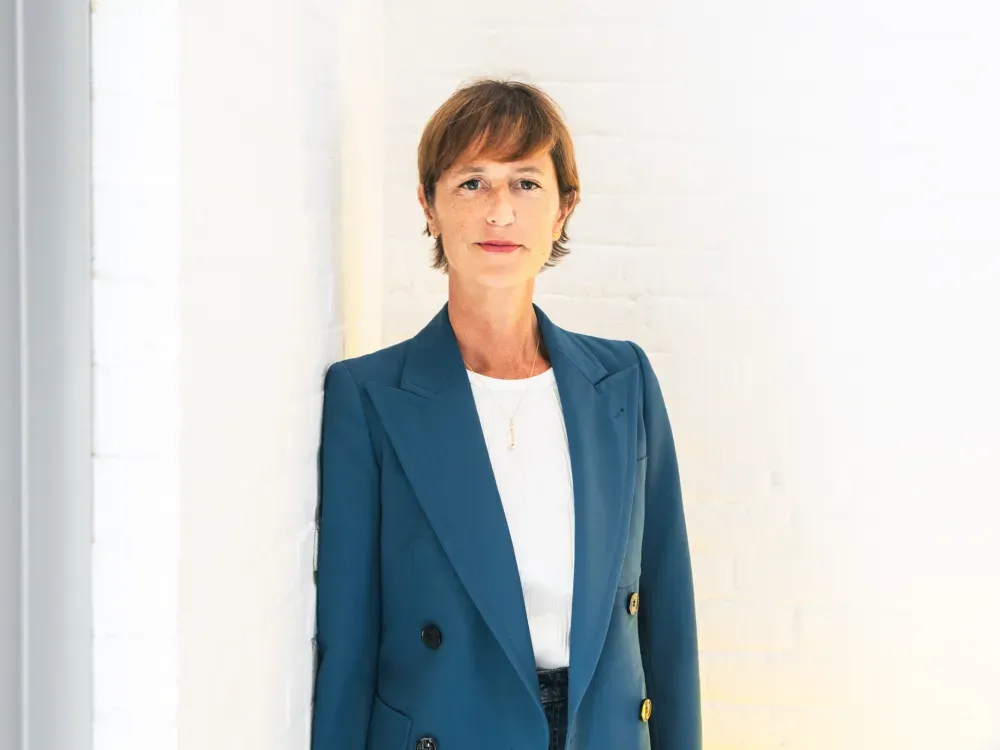
The Return of the Curator
For Morgan, it's a bit of a homecoming. Before her decade-long tenure at Dia, she was a curator of international art at Tate Modern. Her past work there included the much-praised 2015 exhibition "The World Goes Pop," which, as the title suggests, showed just how far-flung Pop art's influence really was. She also wrangled popular shows for artists like Saloua Raouda Choucair and Gabriel Orozco. Tate chairman Roland Rudd, clearly thrilled, called her an "exceptional leader" — which is exactly what you want to hear when you're about to hand someone the keys to a multi-million-dollar art institution.
We're a new kind of news feed.
Regular news is designed to drain you. We're a non-profit built to restore you. Every story we publish is scored for impact, progress, and hope.
Start Your News DetoxDia's Decade of Disruption
At Dia, Morgan didn't just maintain the status quo; she blew it open. Dia, known for its minimalist, conceptual, and land art from the 60s and 70s, had a collection that, let's be honest, leaned heavily on white, male, American, and European artists. Morgan set about changing that. She brought in works by artists who hadn't gotten their due, names like Sam Gilliam, Tehching Hsieh, and Senga Nengudi.
She even admitted in a 2022 essay that Dia's previous scope was "partial." That's a diplomatic way of saying, "We missed a few things." But under her leadership, they made serious progress, supporting artists with actual funding needs and unearthing "exceptional figures," many of whom didn't even have gallery representation. Because apparently, that's where we find the good stuff now.
Morgan also spearheaded a renewed focus on Dia's Chelsea, Manhattan, roots — the neighborhood Dia helped make a gallery destination. In 2021, they renovated, expanded, and, perhaps most importantly, introduced free admission for their Chelsea galleries. The New York Times' Roberta Smith was a fan, and if you can impress her, you're doing something right.
Her success at Dia even had people whispering about the top job at MoMA. That one ultimately went to Christophe Cherix, with reports suggesting MoMA's board decided Morgan lacked experience leading a large institution. Which is a bit of an ironic observation now, given she's about to lead a whole network of them.
Morgan, for her part, is "thrilled" to join Tate, calling it the "world’s foremost institution for international modern and contemporary art and for British art." Let's hope her enthusiasm is contagious, because she's got a big job ahead of her.