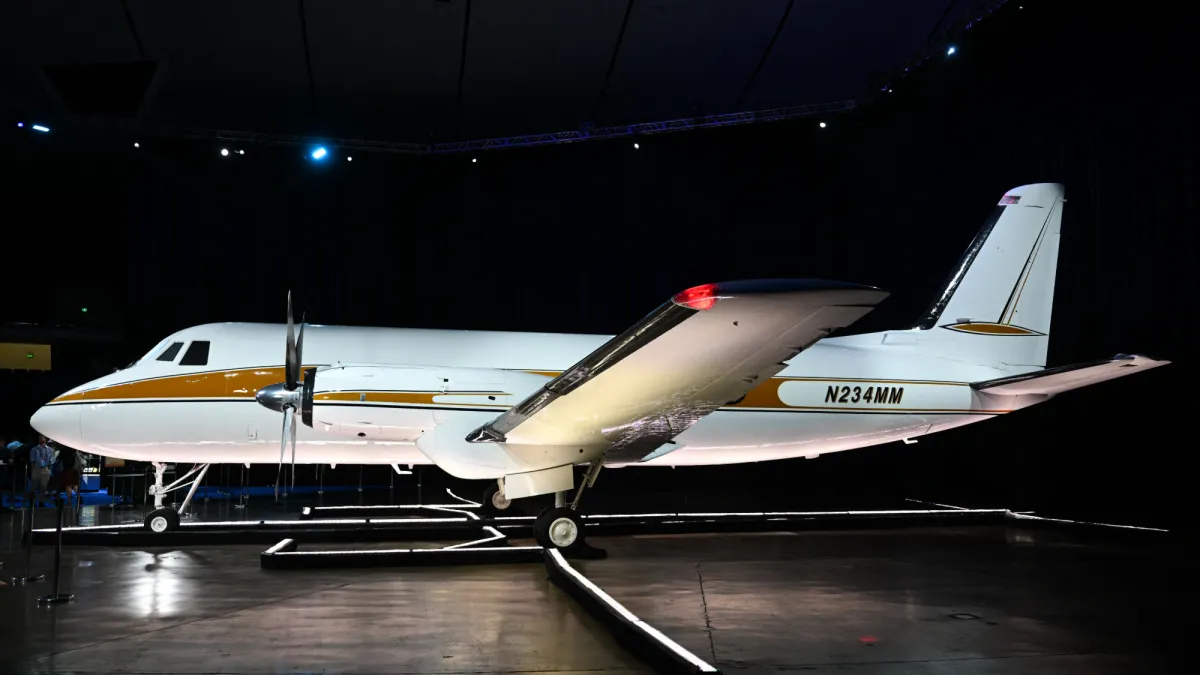
After nearly 15 years marinating in the Florida sun, Walt Disney's private jet, affectionately (and predictably) nicknamed "The Mouse," has been fully restored. Its interior and exterior now look exactly as they did in the 1960s, which, if you think about it, is both impressive and slightly terrifying for something that sat outdoors for so long.
This Grumman Gulfstream I, a marvel of mid-century beige and cream, even has its original Mickey Mouse accessories back in place. While it won't be soaring through the skies anymore — its flying days ended in '92 — it's now open for public gawking at the Palm Springs Air Museum. Because apparently that's where we are now: admiring the plush seating of a visionary's decommissioned plane.
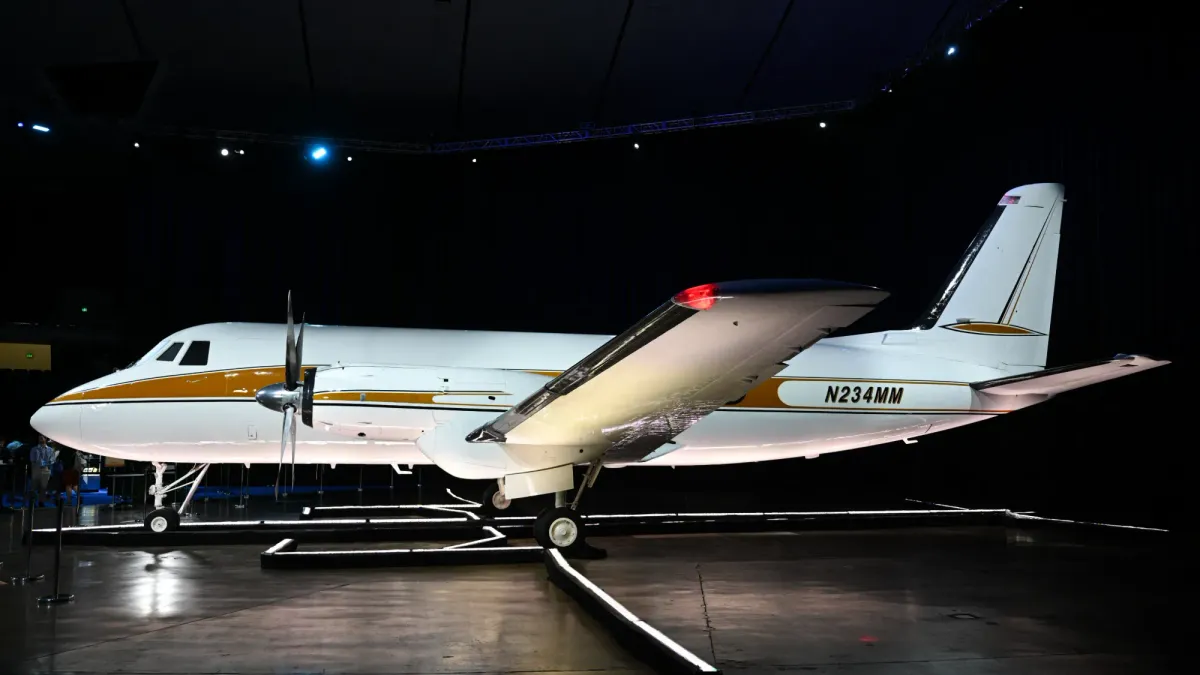
The OG Corporate Jet
Disney snagged this Gulfstream I in 1963, giving it the FAA registration N234MM, with the "MM" obviously standing for Mickey Mouse. Over almost three decades, "The Mouse" logged over 20,000 hours and ferried a cool 83,000 passengers. We're talking Walt himself, his family, a parade of business titans, movie stars, and even a couple of presidents, Jimmy Carter and Ronald Reagan, who presumably appreciated the lack of legroom on a commercial flight.
We're a new kind of news feed.
Regular news is designed to drain you. We're a non-profit built to restore you. Every story we publish is scored for impact, progress, and hope.
Start Your News DetoxThe plane wasn't just a personal perk; it basically wrote the playbook for modern business air travel. Walt used it to covertly scout the Florida swampland that would become Disney World. He also used it to zip between his rapidly expanding media empire, all while avoiding the prying ears of commercial flight passengers. According to Walt Disney Company archivist Edward Ovalle, those airborne business secrets were a major selling point. He even had an instrument panel installed behind his seat, just so he could track the altimeter, speed, and clock like a true aviation enthusiast.
Mickey in the Details
Measuring a respectable 64 feet long with a 78-foot wingspan, this bird was powered by two 2,220-horsepower Rolls-Royce Dart turboprop engines, cruising at a breezy 350 mph. Inside, it was pure '60s glamour, seating 15 passengers and a crew of three, complete with two bathrooms, a kitchen, lounge seating, a couch, and a large wooden desk. Because nothing says "power lunch" like having it at 30,000 feet with Mickey Mouse peering up from your cocktail napkin.
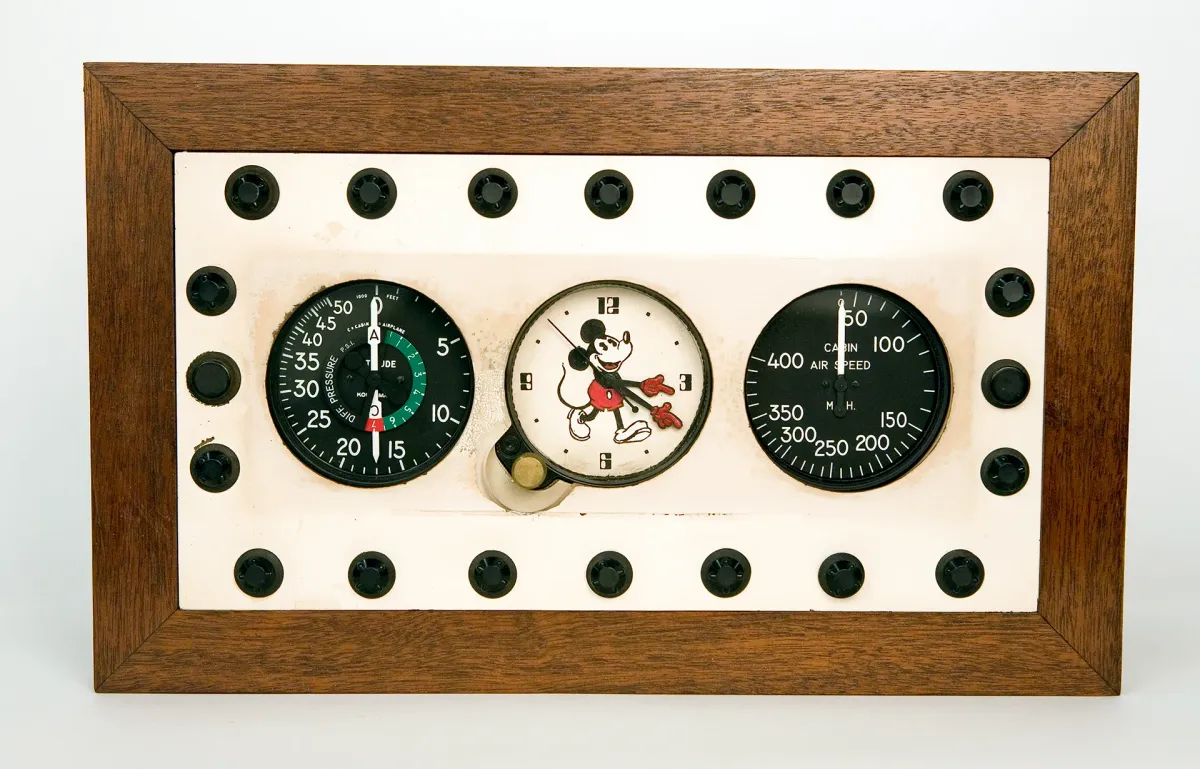
Speaking of Mickey, his face was everywhere: on ashtrays, matchbooks, and even a clock in the cockpit. And for the ultimate touch of Disney whimsy, a clear, floor-to-ceiling plastic divider separated Walt's area from the rest of the cabin, filled with actual leaves from the Disney family's backyard. Which, if you think about it, is a very specific flex.
From Florida Storage to Palm Springs Spotlight
Bringing "The Mouse" back from its sun-baked slumber was no small feat. After being decommissioned in '92 and displayed at Disney World, it was unceremoniously dumped in a storage field in 2014. The engines were sold off, the window seals gave up, and the Florida humidity did what Florida humidity does: wreak havoc. Most of the interior had to be completely rebuilt.
A collaboration between the Walt Disney Archives, Walt Disney Imagineering, Phoenix Air Group, and the Palm Springs Air Museum painstakingly recreated every detail. They rebuilt the kitchen, passenger area, and cabin, re-installed all the Mickey-themed items, and stripped and repainted the exterior to its original orange-and-black glory. Palm Springs was chosen as its new, much drier home, partly because Disney himself owned several properties there.
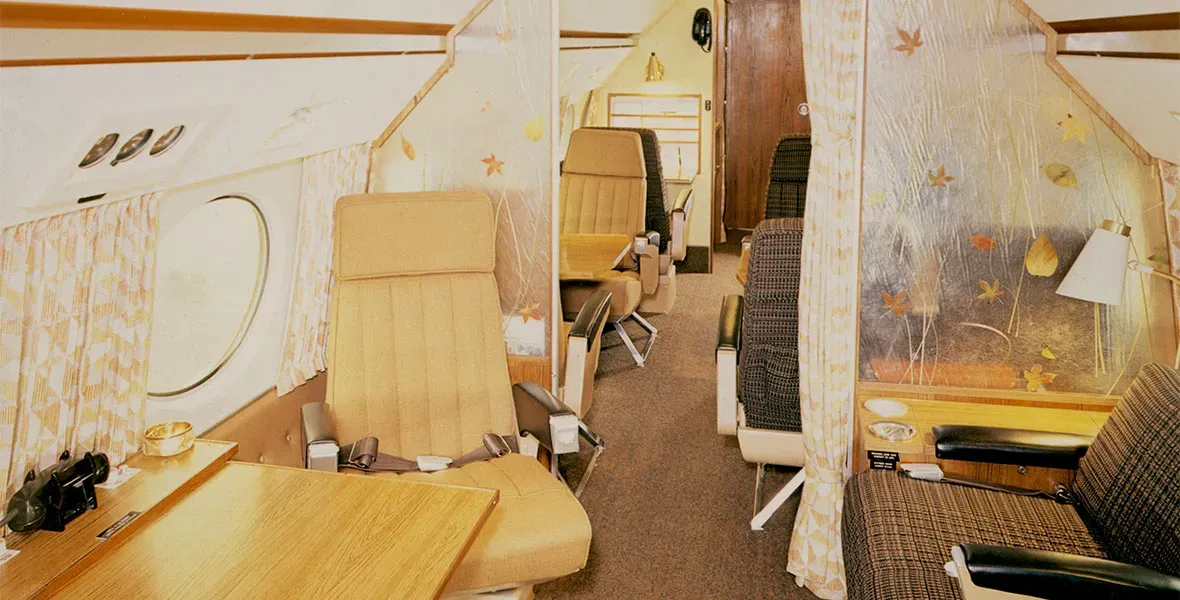
Today, you can walk through this piece of aviation — and corporate espionage — history at the Palm Springs Air Museum for a mere $25. Just try not to imagine Walt Disney hovering over your shoulder, judging your appreciation for mid-century modern design and secret business dealings.