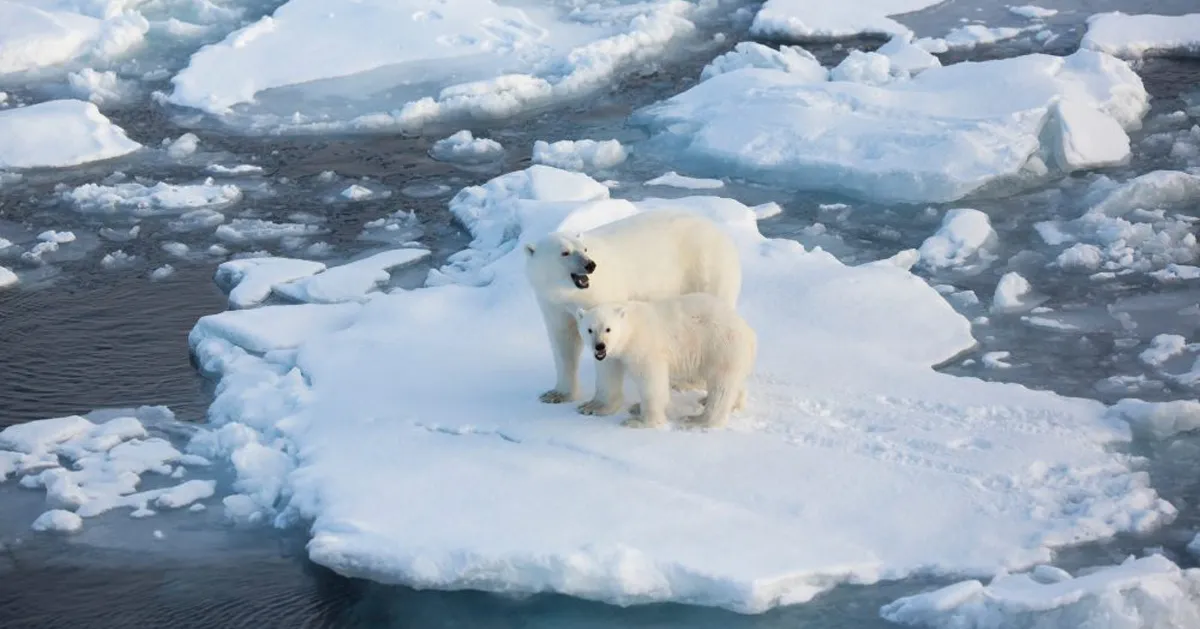
When we think about climate change, many of us picture a thin polar bear on a small iceberg. This image makes sense because these bears need Arctic sea ice to live, mate, and hunt. Their homes are quickly disappearing as the planet gets warmer.
However, in Svalbard, Norway, a group of polar bears is adapting to the changing climate in surprising ways.
Svalbard Bears Show Resilience
Researchers studied 770 polar bears in Svalbard over 24 years. They took 1,000 body measurements and saw a sharp drop in sea ice during this time.
We're a new kind of news feed.
Regular news is designed to drain you. We're a non-profit built to restore you. Every story we publish is scored for impact, progress, and hope.
Start Your News DetoxDespite the rapid ice melt, the bears' body condition did not get worse. This was very different from what the researchers expected.
The polar bears were not completely unaffected. Some moved their den areas or changed their habitats to follow the shrinking ice. These findings do not mean all polar bears are safe from habitat loss.
Svalbard has actually increased protections for polar bears in recent years. International law has protected these animals since 1973. Hunting has been banned in Svalbard since the same year.
The Svalbard Environmental Act also says people should not disturb, attract, or chase polar bears without good reason. Starting in 2025, new rules require people to stay at least 300 meters away from a polar bear all year. This distance increases to 500 meters during mating seasons.
Changing Diets and Hunting Habits
As ice continues to melt, hunting and close contact are not the biggest threats to the species. In Svalbard, less ice might actually create better hunting conditions for the bears.
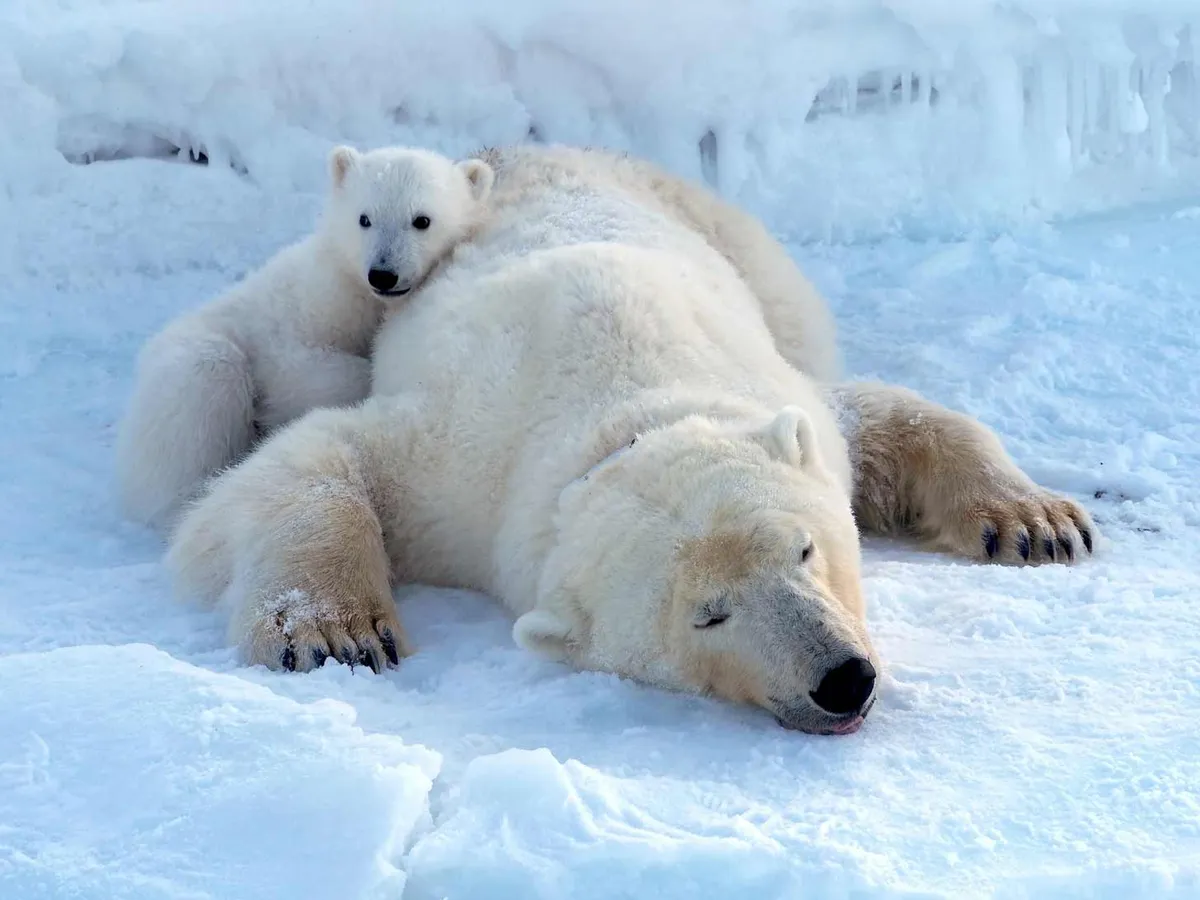
Scientists are not sure exactly why Svalbard's bears are doing well despite losing their habitat. They think it might be because the bears are eating different foods.
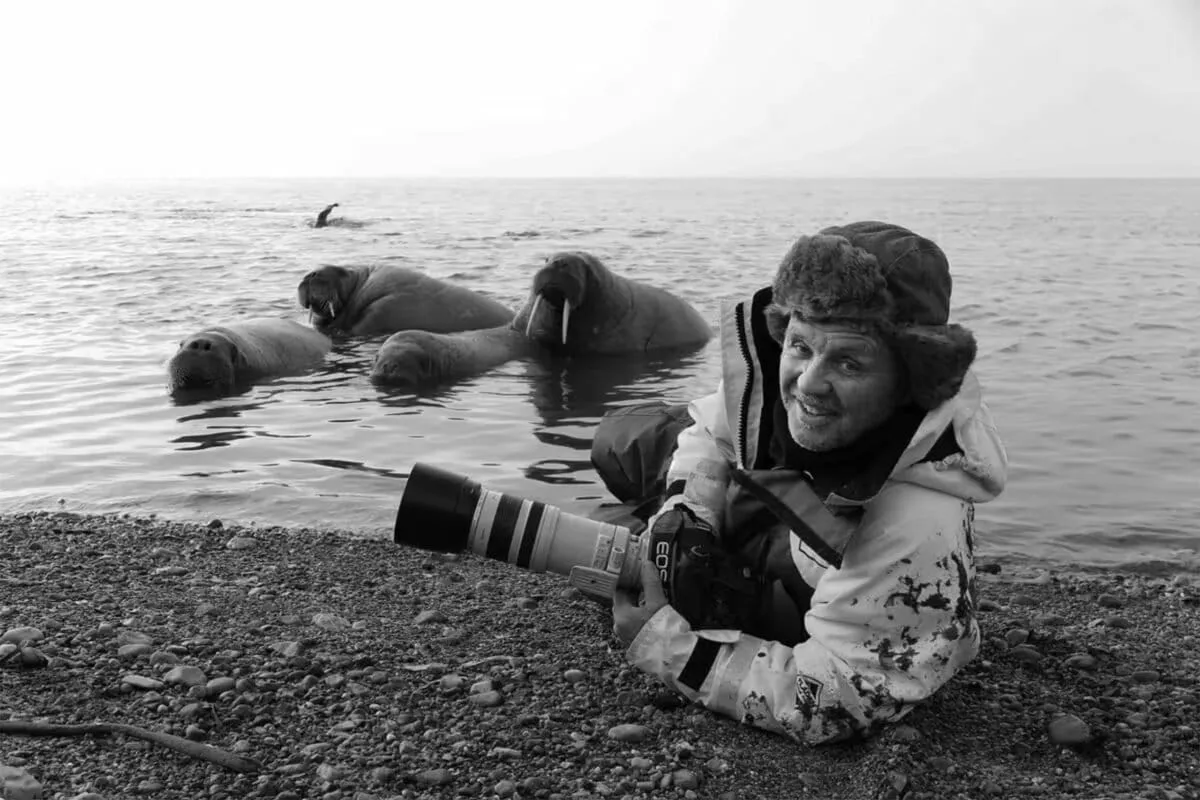
With less ice, seals gather on the ice, making them easier to hunt. The bears might also be eating more walrus carcasses or reindeer. Jon Aars, a senior researcher at the Norwegian Polar Institute, shared this with Scientific American.
Aars told the World Wildlife Fund that even though the bears spend more time on land because there is no sea ice for much of the year, their condition is not worse. He noted that if they survive their difficult early years, they still grow up, have cubs, and get old.
Aars added that they have a shorter season for hunting ringed seals on the ice. But they make up for this by eating more eggs and birds. In some areas, harbor seals are now more common prey. They also see more bears hunting reindeer than before.
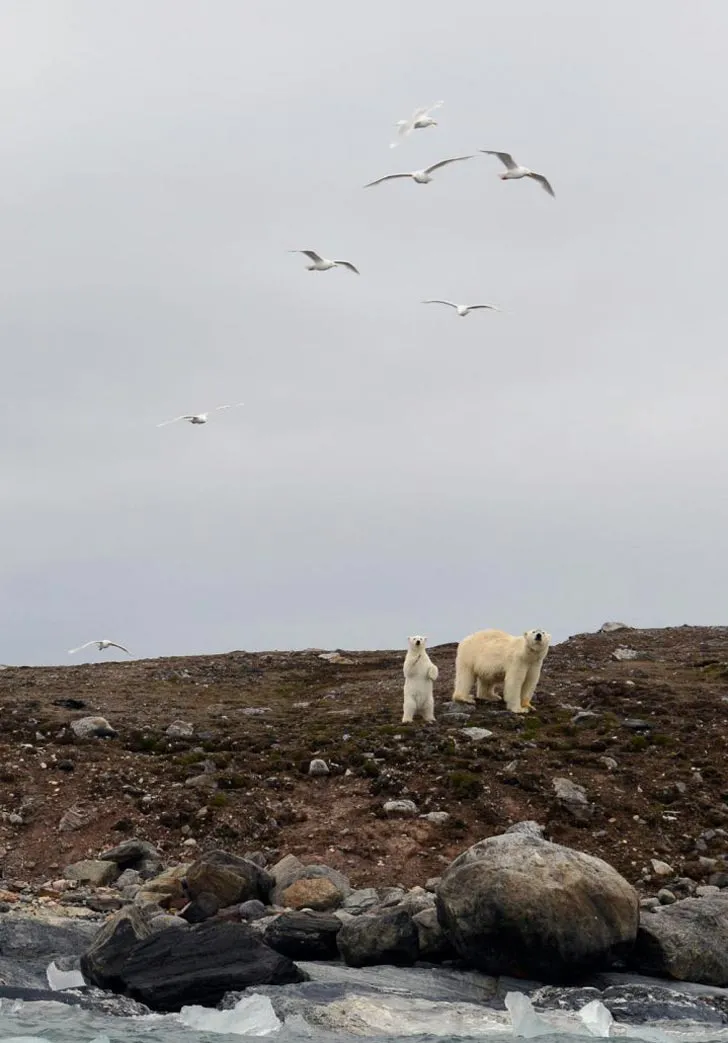
These findings are similar to observations of another group of bears in the Chukchi Sea, between Alaska and Russia. Those bears also seemed to stay healthy despite a big drop in sea ice.
This does not mean the bears are doing better than they would without rising temperatures. But for now, they are still okay.
Lori Quakenbush, a researcher at the Alaska Department of Fish and Game’s Arctic Marine Mammal Program, told Scientific American that continued monitoring will help us learn more about what polar bears are capable of as a species.
Researchers stress that we must keep fighting climate change. The next five, ten, or twenty years could still lead to a larger decline in polar bear populations.
Quakenbush noted that the good news is, "we are not there yet."
Deep Dive & References
Polar bear body condition in the Barents Sea ecoregion has been maintained despite substantial sea ice loss - Nature, 2025