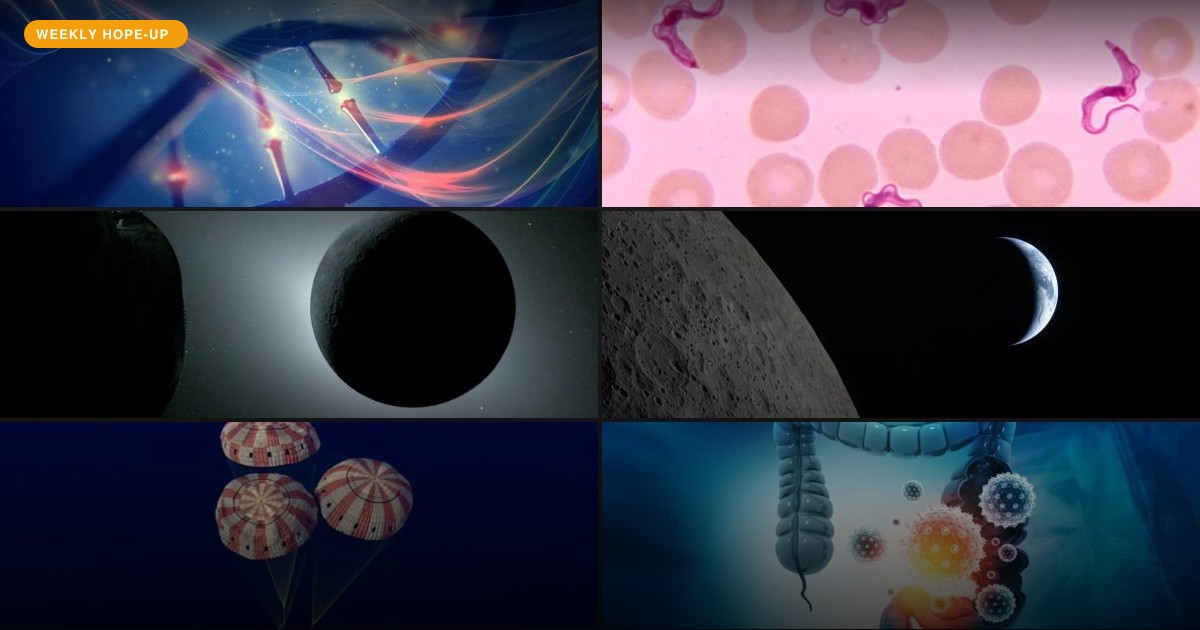
This week, humanity felt a little less small. While four astronauts wrapped up a groundbreaking journey around the Moon, scientists here on Earth were busy unearthing secrets both ancient and microscopic, reminding us that progress often comes in unexpected packages – from cosmic chemistry to frog guts.
The View From 250,000 Miles Away
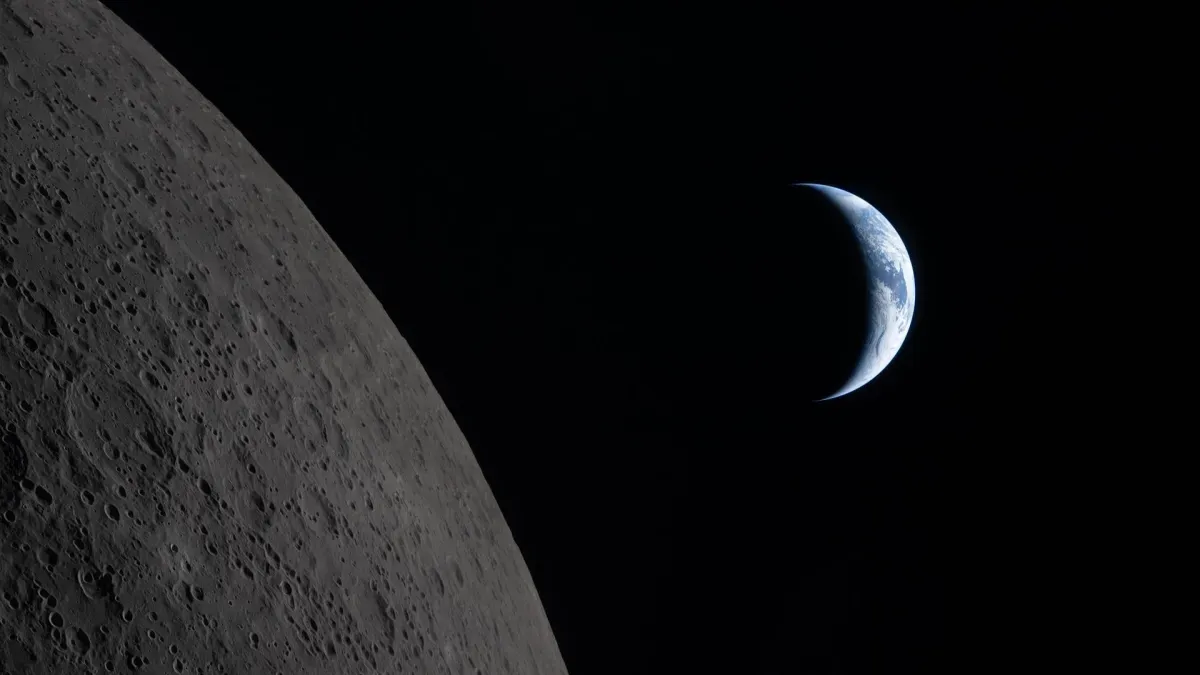
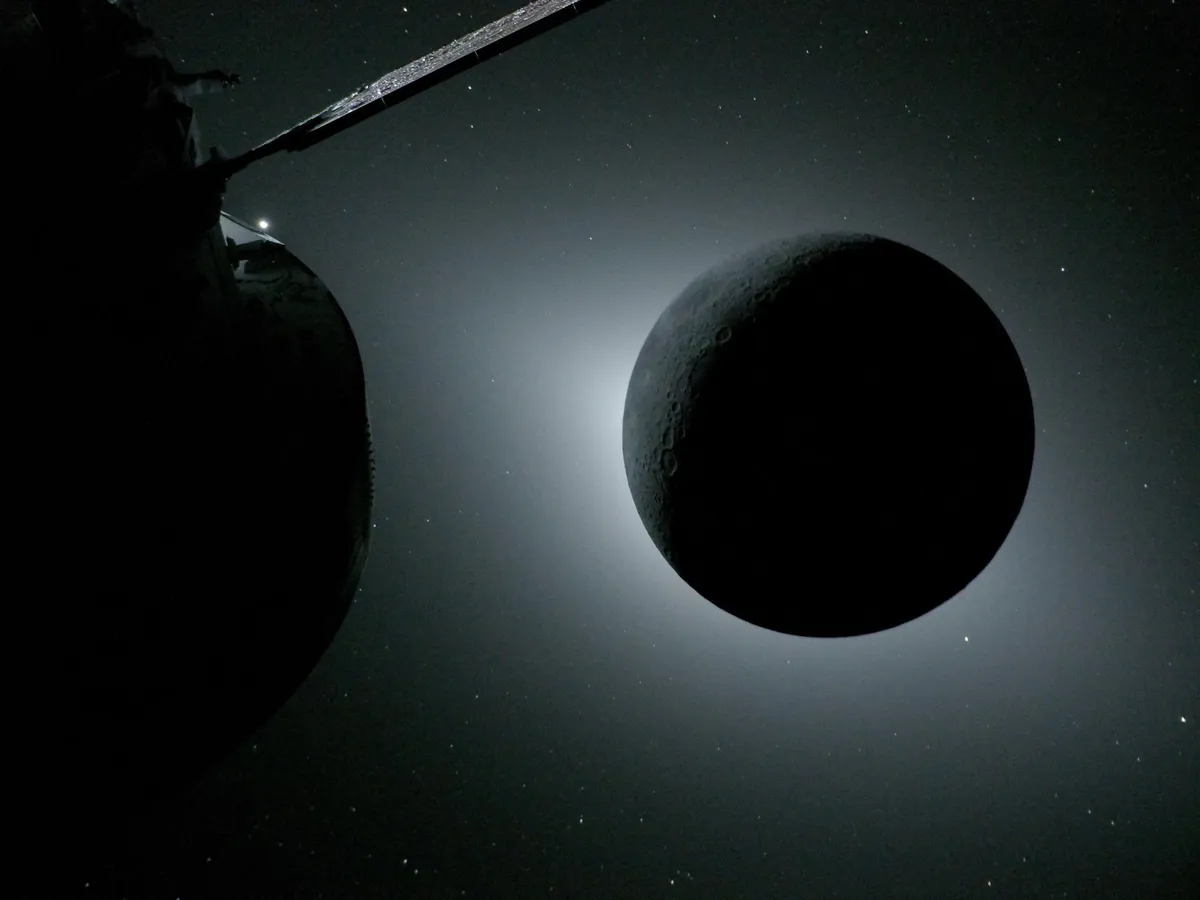
It’s been over 50 years since humans last ventured to the Moon, and the Artemis II crew reminded us exactly what we’ve been missing. Reid Wiseman, Victor Glover, Christina Koch, and Jeremy Hansen didn't just send back stunning photos, including one of Earth eclipsing the sun; they captured images so vivid they made our home planet look, well, tiny. Their mission wasn't just a joyride; it was a critical test of the Orion spacecraft, taking them farther from Earth than any humans have been before.
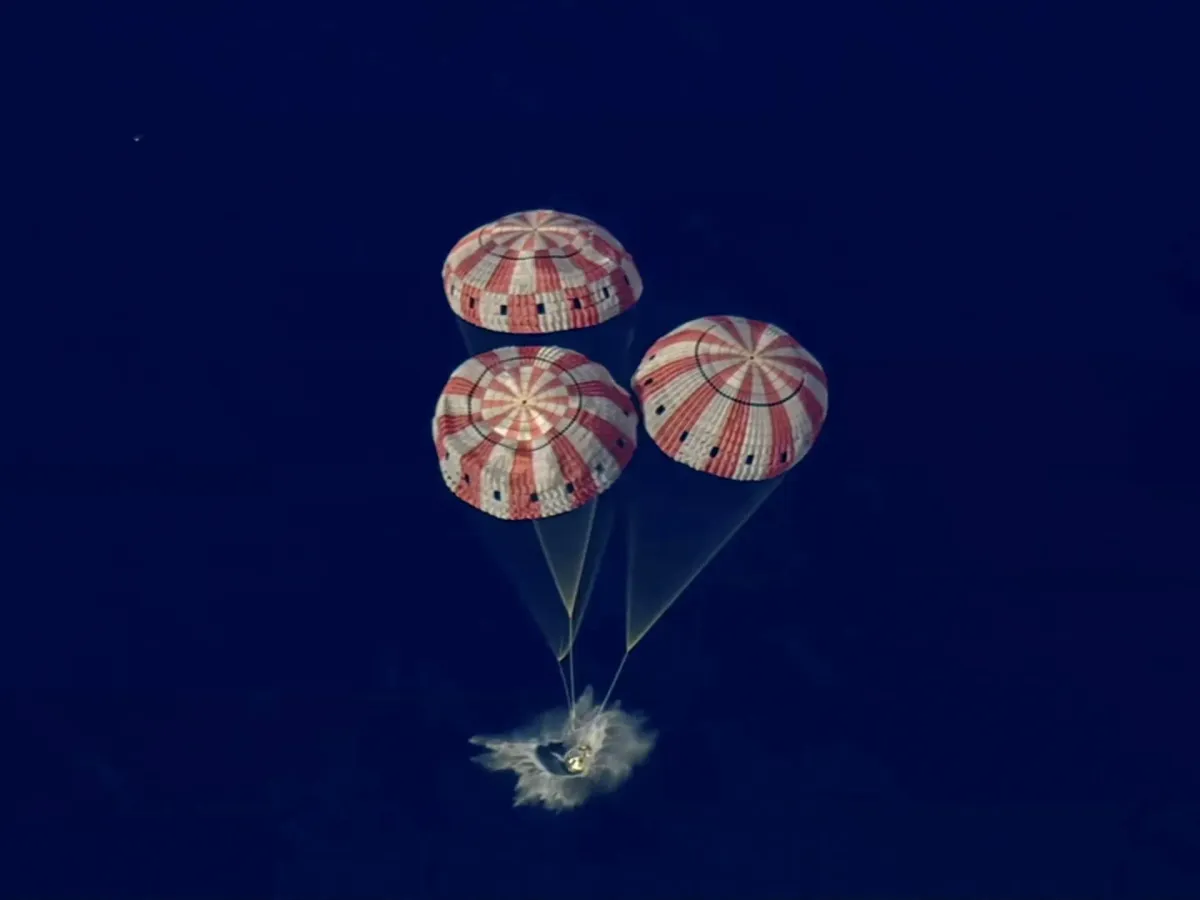
Their return, a fiery splashdown in the Pacific, was met with screams of delight from NASA scientists. These missions serve as a powerful reminder that while daily life can feel consuming, humanity's drive to explore and push boundaries is alive and well. If you've ever felt trapped by the mundane, remember there are people literally reaching for the stars, and sometimes, they even bring back photos.
We're a new kind of news feed.
Regular news is designed to drain you. We're a non-profit built to restore you. Every story we publish is scored for impact, progress, and hope.
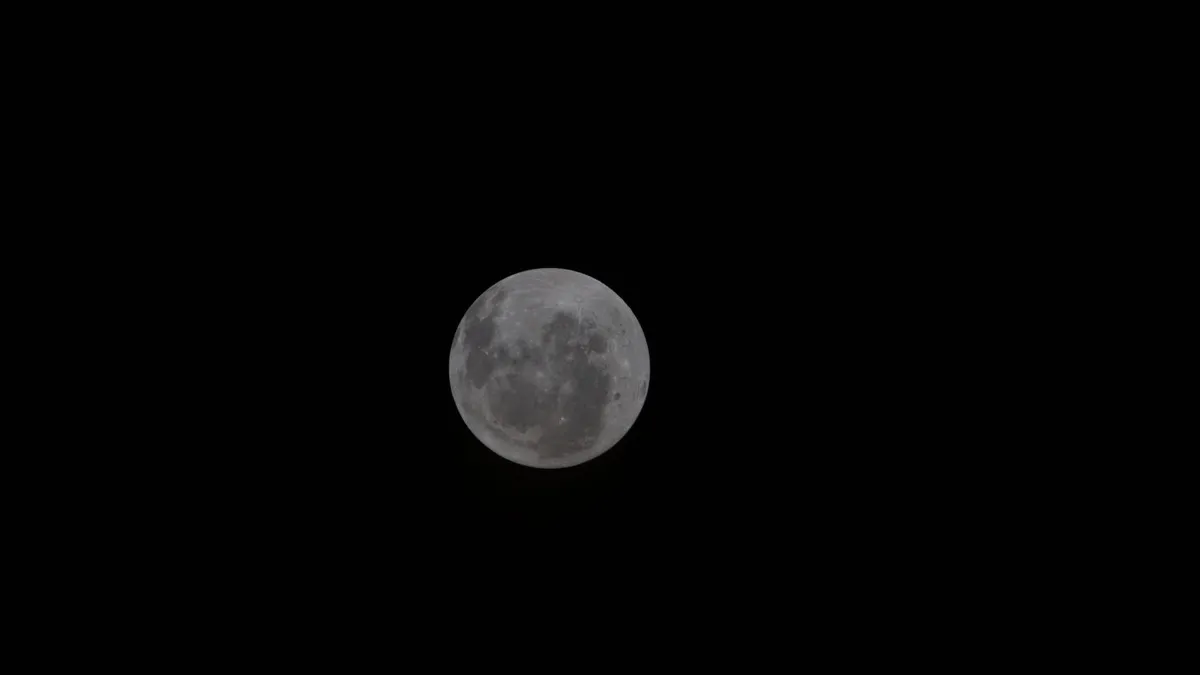
Start Your News Detox"The Moon, backlit by the Sun during a solar eclipse, is photographed by NASA’s Orion spacecraft on Monday, April 6, 2026, during the Artemis II mission. Orion is visible in the foreground on the left. Earth is reflecting sunlight at the left edge of the Moon, which is slightly brighter than the rest" — Read the full story
Nature's Quiet Resilience
While we were looking up, some were looking down, and what they found was equally compelling. From the depths of the Caribbean, researchers counted over 500 humpback whales gathering for a massive breeding party – a vibrant testament to the success of conservation efforts that began with the 1986 global ban on commercial whaling. Their numbers have swelled from an estimated 10,000 to over 135,000.
Meanwhile, closer to home, the internet and a community of sharp-eyed amateurs helped locate five 'lost' bird species that hadn't been seen in decades. Two French birders in Chad, for instance, photographed a rusty bush lark last February, a species not recorded in 94 years. This isn't just about birds; it's about the power of collective observation and how quickly nature can bounce back when given a chance. If you’ve ever doubted the impact of individual action or the resilience of the natural world, this week offered compelling evidence to the contrary.
The Tiny World, Big Impact
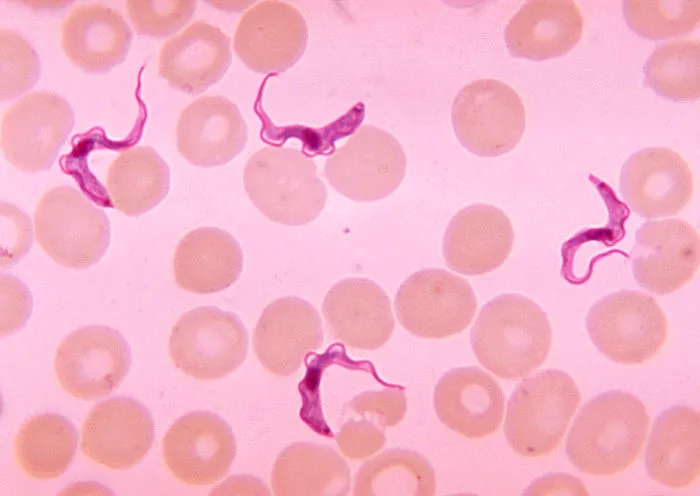
And then there's the microscopic. Scientists have been hard at work, making breakthroughs that sound like science fiction but are very much real. Take the team who discovered that a bacterium from frog gut microbiota completely eradicated tumors in 100% of mice with a single dose. Yes, frog guts. Or the three little pills that could eliminate sleeping sickness, a disease whose previous treatment was almost as dangerous as the illness itself.
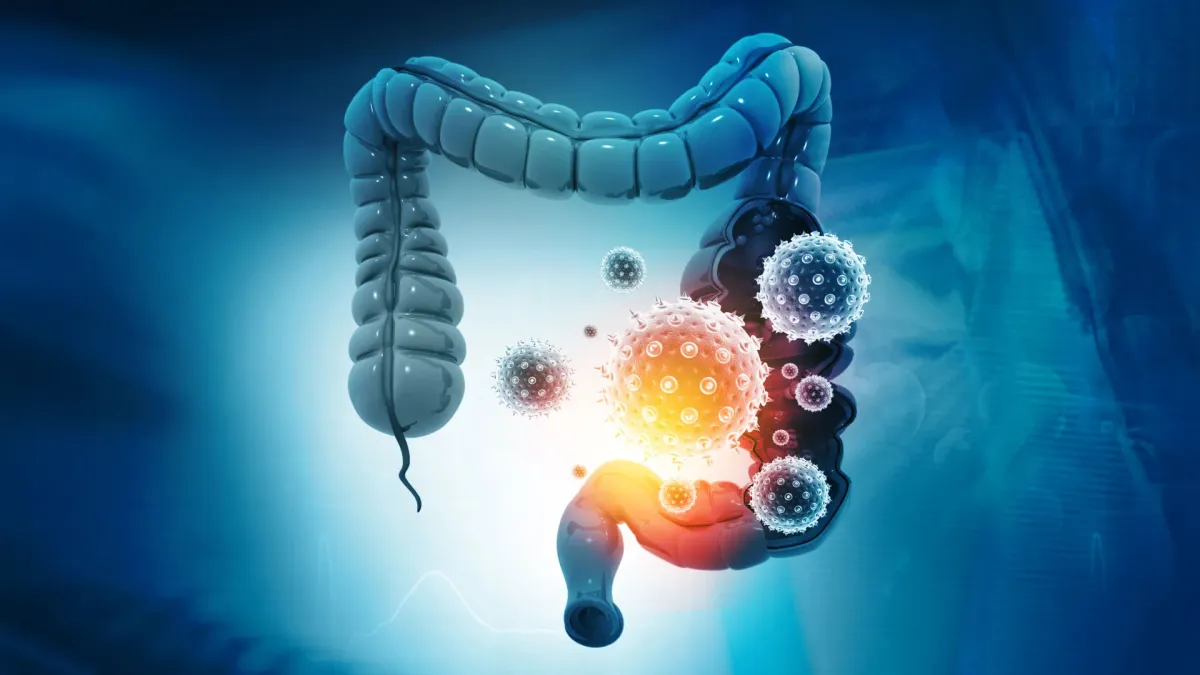
Even more subtly, a new stool test using AI to map gut bacteria can now detect 90% of colorectal cancers, potentially replacing the dreaded colonoscopy. These advancements, often invisible to the naked eye, are quietly reshaping health and our understanding of life itself. If you've been hoping for less invasive medical procedures or better treatments for stubborn diseases, this week brought some genuinely hopeful news from the smallest corners of science.
Hope stat: 135,000 — the current estimated population of humpback whales, up from 10,000 before the 1986 whaling ban.
Watch this space: The continued integration of AI and microbiome research promises even more non-invasive diagnostic breakthroughs in the coming months.