After a journey that took them around the moon, through an eclipse, and farther from Earth than any humans before, the Artemis II astronauts are finally making their grand, fiery return.
Their Orion space capsule is set to re-enter Earth's atmosphere at 7:53 p.m. ET, before a splashdown off the coast of San Diego at 8:07 p.m. Because, apparently, that's how you end a lunar road trip.
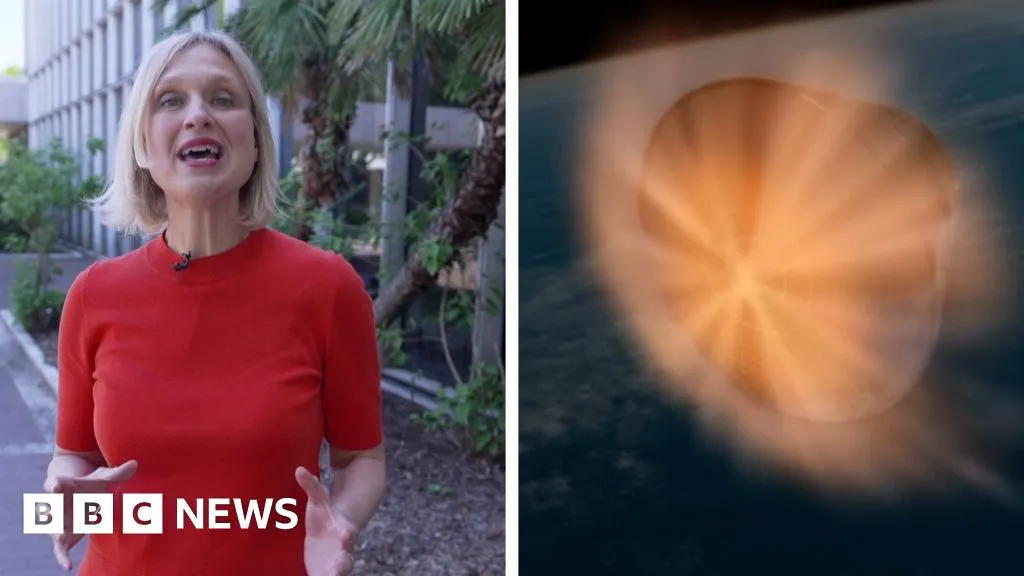
Now, about that "fiery" part. The capsule needs to decelerate from a casual 25,000 miles per hour to a more manageable 20 mph in a very, very short amount of time. And during that descent, the spacecraft will be facing temperatures around 5,000 degrees Fahrenheit. For roughly six minutes, communications will go dark as a literal plasma sheath builds around the vehicle. Which, if you think about it, is both impressive and slightly terrifying.
We're a new kind of news feed.
Regular news is designed to drain you. We're a non-profit built to restore you. Every story we publish is scored for impact, progress, and hope.
Start Your News DetoxNASA astronaut Victor Glover, one of the four-person Artemis II crew, summed it up perfectly: they're "riding a fireball through the atmosphere." Just a necessary part of bringing home the cosmic bacon.
And what bacon it is. Glover explained that the crew is bringing back a treasure trove of data. "All the good stuff is coming back with us," he said, presumably with a slightly singed but triumphant grin.
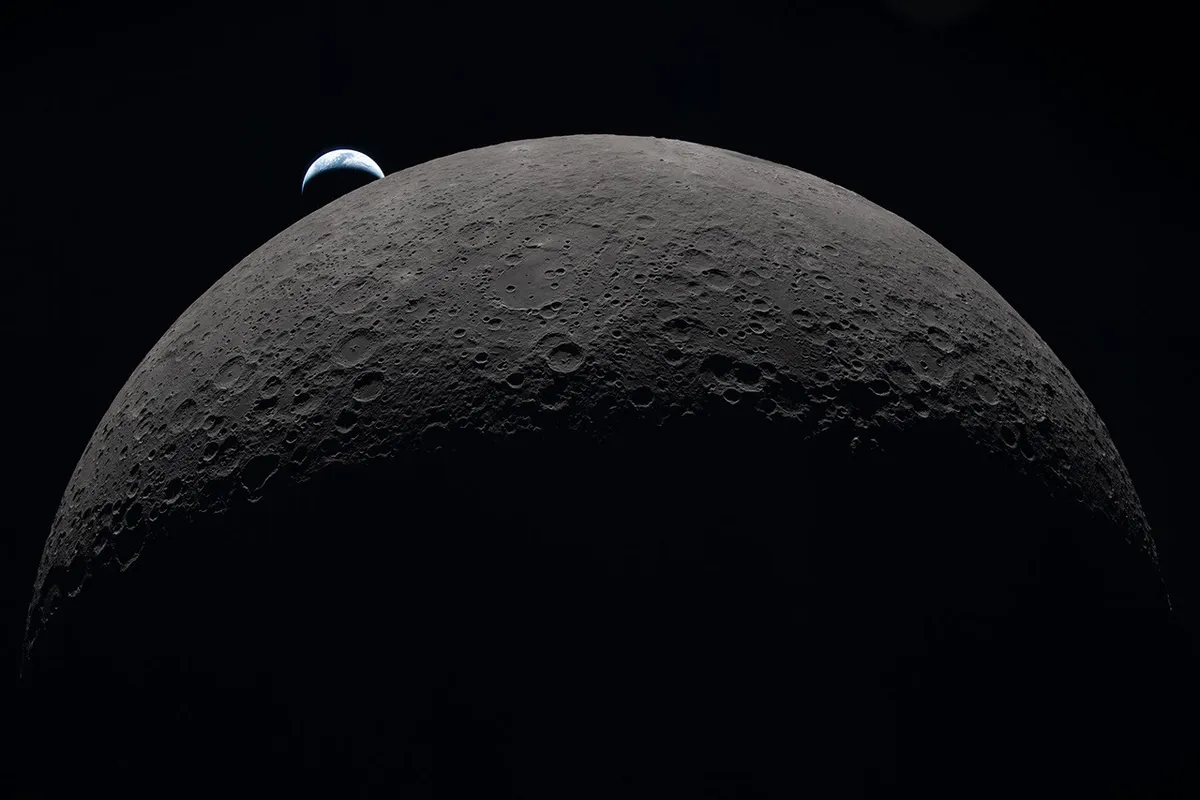
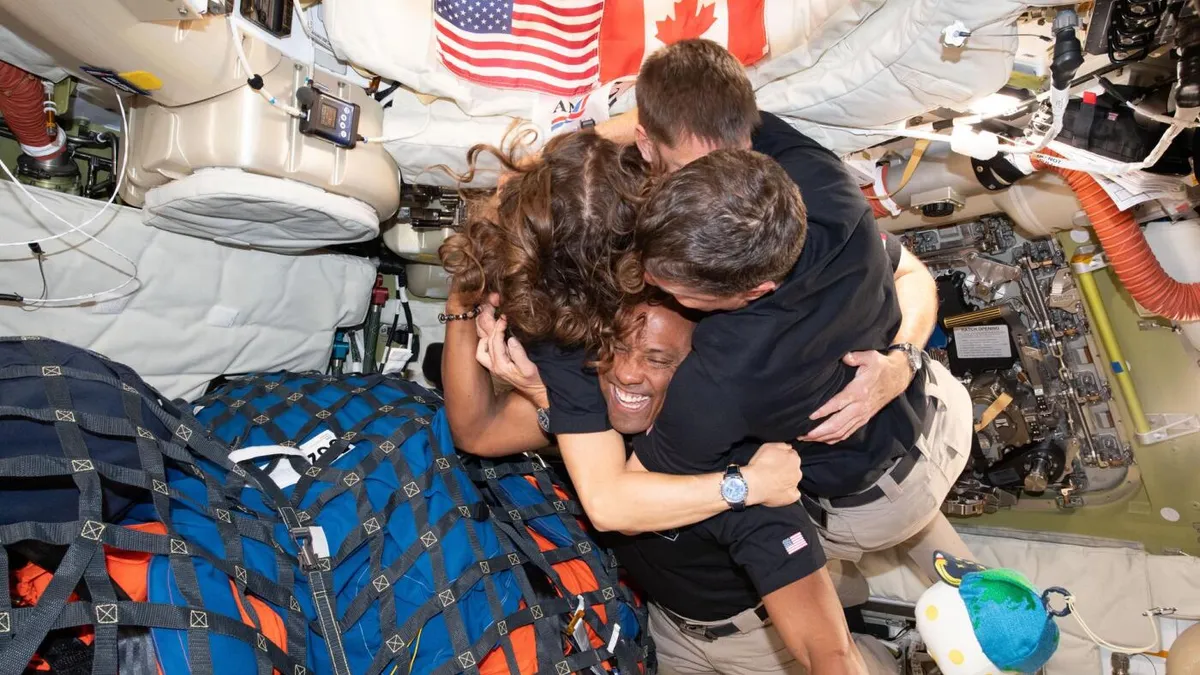
Glover, alongside NASA astronauts Reid Wiseman and Christina Koch, and Canadian Space Agency astronaut Jeremy Hansen, spent their lunar orbit on April 6 taking photos and making observations. This intel is crucial for the upcoming Artemis III mission, which could launch as early as next year and aims to put humans back on the lunar surface. So, while the fireball ride sounds intense, it's all in the name of science, and perhaps, future moonwalks.